Tag: marijuana plants

  • What Plants Create Cannabinoids?

    What Plants Create Cannabinoids?

    Cannabinoids and cannabinoid-like substances that stimulate the Endocannabinoid System (or ECS) are actually found in many plants. Some of these plants have long been used in traditional medicine. Others you may recognize as popular superfoods.

    The magic of cannabis, certainly from a medical perspective, is that a single plant produces so many healing compounds. These are called cannabinoids. While the focus so far has been on a couple of the major cannabinoids, namely Tetrahydrocannabinol (or THC) and Cannabidiol (or CBD), there are many others.

    However, beyond cannabis, there are other plants and flowers that also appear to interact with the human endocannabinoid system. Some plants on this intriguing list do produce actual cannabinoid chemical compounds. Others produce compounds that mimic cannabinoids and terpenes.


    Phytocannabinoids, Endocannabinoids & Cannabimimetics

    Cannabinoids are chemical compounds. They are produced in plants, and naturally by the human body. The latter group is known as endocannabinoids or “endogenous cannabinoids.” Phytocannabinoids are cannabinoids produced by plants. Believe it or not, many plants beyond cannabis produce phytocannabinoids.

    Beyond that, however, there are also substances called cannabimimetic compounds that mimic cannabinoid properties when consumed. Specifically, they engage with the Endocannabinoid System (or ECS). What are these wonders of nature? You probably have already heard of them, even if you did not know all the details.

    Interestingly enough, many plants containing phytocannabinoids or cannabimimetic compounds are referred to as “superfoods”. And, it’s not the only non-cannabis plant that has them; but, don’t be surprised, even your body makes their own cannabinoids remember?

    Though you might not want to smoke these plants, they do contain cannabinoids. While you may be accustomed to quickly linking cannabinoids to cannabis, the term “cannabinoid” refers to a larger group of compounds found in cannabis strains.

    That is, any chemical that interacts with our endocannabinoid system is considered a cannabinoid. Of course, in the following plants, the cannabinoids differ from the cannabinoids found in Cannabis, but only slightly.

    Humulus lupulus (hops)

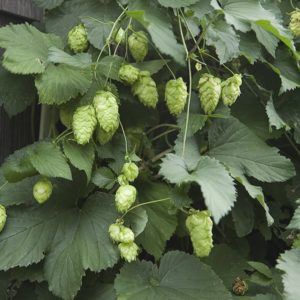
    If you’re a fan of beer, there’s a strong chance you’ve drank your fair share of cannabinoids, since hops, a flower often used to make beer, may contain cannabinoids. Isodiol claims to have identified at least two (2) varieties of hop flowers with trace amounts of Cannabidiol (or CBD).

    Humulus lupulusis actually a member of the Cannabaceae family of plants and is the closest relative to Cannabis that we know of. However, when Dr. Ethan Russo was asked about it, he said, “hops do not contain CBD naturally…if there were hops that produced CBD, it would only be after it had been genetically modified artificially.”


    Echinacea

    A 2006 study in the Journal of Receptors and Signal Transduction described how Echinacea contains its own form of cannabinoids. The researchers described how a collection of N-alkyl amides within some Echinacea flowers specifically interacts with our CB2 receptors.

    Let us know what you think.

  • Cannabis Genotypic & Phenotypic Diversity

    Cannabis Genotypic & Phenotypic Diversity

    Most people are familiar with the main varieties of the cannabis plant – Cannabis sativa and Cannabis indica (as well as ruderalis), and how each has either an invigorating or relaxing effect on the body. However, less is known about the hybrids of these cultivars and how they are bred.

    As the cannabis industry continues to grow, there seems to be a new variety of cannabis every day. So, what then is the real difference between Girl Scout Cookie and OG Kush? Northern Lights and Strawberry Cough?

    Cannabis cultivation, like all plant breeding, is built on the seminal work of Gregor Mendel, whose work lay the foundation for the science of genetics. Crossing plants with different traits defined by Mendelian genetics produce a predictable pattern of inheritance determined by recessive and dominant features.

    Based on the genotype of the plant (its unique genetic signature), the next generation (cross) will possess a certain phenotype (visible traits like gold hairs or fragrances) inherited from its parents. In this way, cannabis varieties can be bred which possess the physical and chemical properties that are most desirable.

    Plant Genotype = Blueprint

    The genotype of a plant serves as the blueprint for its design and influences aspects such as color, taste, smell, shape, and size. Most importantly, genotypes determine its chemical makeup, including the presence and amounts of phytochemicals like cannabinoids, as well as terpenes.

    With this information in mind, how then might one explain the observable differences in appearance (ex. phenotype) between cannabis of the same cultivar (ex. genotype) grown in Oregon versus California?

    As with all genotype-phenotype relationships, the environment has a significant impact. Identical twins raised in different parts of the world by different parents often have different phenotypes while possessing the same genetic information.

    In the plant world, many different environmental conditions can influence a cannabis cultivar’s phenotype. Some of the most common ones include nutrient availability, ambient temperature, light source, soil type, and vegetative habitat.

    Both recreational and medicinal cannabis users should keep the effects of genotype-phenotype relationships when evaluating an odd-looking sample of a well-loved or favorite cultivar. Cannabis can look different without being different.

    Let us know what you think.

  • HPS Lighting For Cannabis Plants

    HPS Lighting For Cannabis Plants

    cannabis plants lighting

    Apart from metal halide HID, this is another variety of HID called High-Pressure Sodium (HPS). These lighting systems and bulbs supply a different light spectrum for your cannabis plants.

    The most efficient type of HID light is the 600-watt HPS which often produces about 90,000 initial lumens upon startup. Nearly all of the HPS bulbs used for cannabis plants are translucent and clear.

    All HPS vapor lights have their unique ballast requirements to make them function. These ballasts are not compatible with Metal Halide (MH) ballasts though some types of ballasts will allow you to ‘switch’ from MH to HPS (same wattage required for both 400-watt HPS & 400-watt MH).

    Purchasing ballasts that are “switchable” can save you money in comparison to purchasing two different ballast types. High-Pressure Sodium lights emit an orange-tinted glow that is similar to a harvest sun for your cannabis plants.

    This color spectrum simulates the sun’s natural signals for plants to flower though some people will use Metal Halides to flower or even a combination of the two (2) light spectrums to flower plants. HPS bulbs produce a very little amount of blue light in their lighting spectrum for cannabis plants.


    How HPS Produces Light

    cannabis plants

    High-Pressure Sodium systems produce light by passing electricity through vaporized sodium and mercury inside an arc tube. An HPS bulb is very different from Metal Halide in its physical, electrical, and color spectrum ‘characteristics’.

    An electronic starter within the ballast supplies a short, high-voltage pulse to vaporize the gases in the bulb to illuminate. This can at times take up to three (3) or four (4) minutes to fully illuminate. Similar parts for the construction of Metal Halide bulbs, HPS bulbs contain a two-bulb construction with the outer bulb as the casing and the inner part of the bulb being the inner arc tube.

    High-Pressure Sodium bulbs may be placed in any position without resulting in lumen loss or efficiency, unlike metal halides. HPS lights have the longest lifespan and the best lumen maintenance out of all HID bulbs for cannabis plants.

    After many hours of operation, the sodium in an HPS bulb tends to ‘bleed’ out through the arc tube. With prolonged leakage, the result will end up with a change in the ratio of sodium to mercury and cause the bulb’s voltage in the arc to rise and then burn out.

    1,000 watts HPS bulbs usually have a lifespan of about 24,000 hours (5 years of 12/12 day/night cycle). Growers will replace HPS bulbs after 18 – 24 months of growing to keep the lumen output for the garden high to maintain productivity.

    Metal Halide Lighting

    marijuana plants

    As with Metal Halide HID systems, HPS bulbs require a specific ballast type to operate. Each of these ballasts needs to have the same wattage as the hood and bulb to operate properly.

    You can purchase complete HID lighting system kits rather than purchasing components separately. When you purchase a lighting kit the system will cost less though you will not always find exactly what type you want (bulb, hood, and ballast) within a kit and should purchase separately.

    High-Pressure Sodium bulbs are used for industrial, residential, and horticultural lighting. HPS can commonly be found in hardware or building stores, but most hardware or building stores will only carry 250- or 400-watt bulbs.

    If you want other bulb sizes, you will have to go to a growing store or order online to have them shipped. HPS bulbs are fairly inexpensive to purchase and no matter what type of HPS bulb you use it will grow cannabis plants.

    Let us know what you think.

  • TOO Big? Problems With Tall Marijuana Plants

    TOO Big? Problems With Tall Marijuana Plants

    marijuana plantLet’s talk about marijuana plant height in your indoor grow room. If you grow your marijuana plants too tall, it can create too many problems to manage your operation and can cause severe damage to plants.

    Indoor grow spaces, by the very nature of growing inside of a structure, have ceilings. On average, the majority of houses and indoor spaces will provide around eight feet in height to work with.

    Your marijuana plants will be grown in some type of medium (ex. soil in a container, hydrotron in a hydroponics system, using a soilless method such as coco noir, etc.) and grow marijuana plants no higher than four (4) feet tall from the medium.

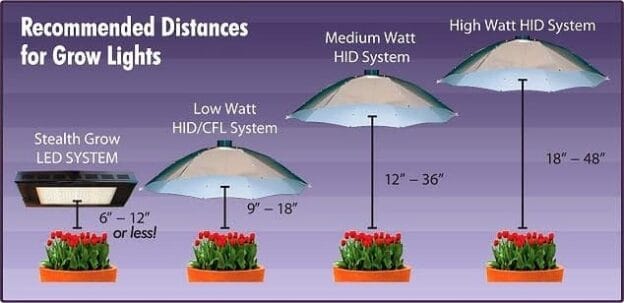
    The reason why indoor plants aren’t grown taller than four (4) feet is that your HID lighting system will hang from the ceiling and your plants will burn from the light’s heat if they are too close.

    Another big concern, when you grow tall plants, is that they will fall over easily, as they have a higher center of gravity. So as your plants bud the height and weight can cause the plant to collapse. A two (2) foot marijuana plant in a five-gallon container will produce a few pounds of moist buds (not dried weight, of course) and it is easy to grow without any concerns.

    However, if that very same marijuana plant was a six (6) foot plant with the same weight of buds, but it has long and stretching branches that can easily tip the whole plant completely over along with the container. Marijuana plants that are grown indoors will typically have flimsy stems and branches because it doesn’t have the outdoor wind to “toughen” the plants.

    Once the marijuana plants’ buds put on some weight, you will have to do a bunch of staking, caging, and tying of branches to maintain the integrity of the plant’s branches. The taller the marijuana plant is, the more stem length you will have in between the branches and nodes, which presents two issues:

    1) The plant needs an exorbitant amount of energy to grow these lengthy branches; energy it could have used to grow large, dense buds.

    2) Carbon Dioxide (CO2) is denser than air and it will settle close to the floor, this means the marijuana plants’ roots (which need oxygen) are picking up much more CO2, than the leaves and flowers (which need CO2).


    Lighting Intensity

    marijuana plantsWhen marijuana plants receive inadequate lighting, their branches will start to extend because the gibberellins (plant hormones) cause lengthier and quicker cell growth in-between the plant’s nodes.

    To avoid the production of this hormone, you will need to make sure that you have sufficient lighting for your indoor grow room. It is best to keep the lights as near the top of the marijuana plants as possible without burning the buds and leaves.

    To ensure that all of the marijuana plant’s branches are under direct, intense light; you will want to effectively space the plants evenly apart. Also, to make ensure that the marijuana plants are receiving enough light, you may want to purchase a light meter.


    Air Circulation

    Using oscillating fans in your indoor grow room imitates the outdoor wind that naturally blows between the leaves and stems. Air movement will disrupt the plant cell elongation, triggering the cells to exchange lengthier growth for thicker cell walls.

    Essentially, marijuana plants naturally make modifications to withstand the wind/breeze as they would outdoors. This is to simulate what plants do in nature so that they are not easily bent over or flattened by a windy day. As an included benefit, oscillating fans stir up CO2 from off the floor and also help reduce pest infestation problems.


    Growing Temperature

    marijuana plantsThe development of many plants, cannabis included, is impacted by variations or changes in temperature. If the temperature throughout the day (lights on) is less than during the night (lights out), this is called an “unfavorable differential” or “negative differential”.

    You can use this to keep your plants short and stocky, by raising the temperature during the dark to a few degrees warmer compared to the lights “on” period. Some strains will respond to negative differences greater than others, depending on the climate the strain is originally from.

    You have to track temperature level and humidity anyway so make sure you have a good thermostat and humidistats to monitor your indoor grow room.


    Topping Cannabis Plants

    This is when the “top” of a marijuana plant is cut off. Topping marijuana plants (removing a sizeable portion of the main stalk) assists by keeping them short and stocky in two different ways:

    1) The most important reason to top your plants is that auxins (plant hormones) accumulate in the tips of the leading branches and that is what drives development.

    2) When you squeeze (or ‘pinch’) these tips off, the focus of the auxins hormone is distributed to the ends of other branches.

    By forcing these auxins to spread throughout the branches of marijuana plants it will help promote a shorter, bushier plant development.

    Cannabis Plant Training

    marijuana plantsYou can “train” your marijuana plants to be much shorter, bushier plants. Branches and plant tops can be pulled down and forced plants to grow flat (or vertical) using strings, trellises, or cages.

    Using a small amount of tension to training your marijuana plants is not an ability that will be mastered overnight. You will likely crack/break some branches until you gain enough experience.

    Not all indoor grow rooms will easily accommodate the training of marijuana plants. Tall marijuana plants will also cast shadows inside grow rooms, which will reduce the light that is readily available to other plants who need to share the light.

    When marijuana plants are grown tall, the distance between the lower branches and the lighting system that is hanging from the ceiling increases so they receive less light. Based on light intensity principles, as the distance from the leaves to the light source increases the number of lumens that reach the leaves greatly diminishes.

    On tall plant marijuana plants, the leaves on the higher branches often shade the lower branches and their leaves. The only light that can pass through the plant’s foliage to its lower branches is Far-Red Light Waves, which are between about 760 – 800 Nanometers (Nm).

    Far-Red Light Waves activate Phytochrome Far Red (PFR), which will send signals to the lower, shaded branches and the leaves to start to lengthen so they can receive more light.

    Let us know what you think.

  • %$!#* Those Spider Mites & Marijuana Plants

    %$!#* Those Spider Mites & Marijuana Plants

    Known As: Spider Mite

    Scientific Name: Tetranychus urticae [Acari: Tetranychidae]

    Affected Plants: Numerous plants

    Spider mites on marijuana plants are a common pest that you will eventually find infesting your garden (indoors and outdoors) and they can be a very difficult pest to eliminate.


    Physical Description

    spider mites on marijuana plants

    Spider mites on marijuana plants are quite small ( a 1/50th inch in length) and their body is separated into 2 parts:

    • Mouth (or gnathosoma)
    • Physical Body (or idiosoma)

    The color of their bodies ranges from green- to yellow-orange color and it is easily recognized by the two (2) dark areas on the idiosoma (the physical body). If you use a magnifying glass you will see the physical body of spider mites is semi-transparent with the different coloration of their spots.

    During the larval phase, spider mites have 6 legs. When they start the nymphal stage of their development, they grow an additional pair of legs (total of 8 legs = a “spider”) that the spider mites have during their adult life.


    Spider Mite Life Cycle

    Depending on the temperature and humidity, a spider mite can become an adult in 5 – 20 days, and one (1) adult female spider mite can lay from 20 to 200 eggs each day of its life. Female spider mites lay eggs on the bottom of the marijuana plant’s leaves that are globular, clear, and about 0.14 mm in size.

    After becoming adult, spider mites live an additional 2 – 4 weeks and have many overlapping generations so they can quickly infest marijuana plants in the future.


    Spider Mite Damage on Marijuana Plants

    The spider mites pierce the epidermis with their sharp teeth and slim mouths. They prefer to live on the underside of leaves so you will want to look for small yellow- or bronze-colored areas to find spider mites on marijuana plants.

    When the spider mite bites (punctures) through the epidermis of marijuana plants, this causes the plants to start leaking sap that serves as the mite’s source of food. The leave’s mesophyll cells are injured so within hours the punctured areas develop chlorotic spots and the marijuana plant’s ability for photosynthesis reduces.

    Marijuana plants can become infested within days or even hours. Spider mites can rapidly expand their spider webs and will eventually cover the entire canopy of your marijuana plants (from top-to-bottom).


    Treating Spider Mite Infestations

    marijuana plants on spider mitesThe damage to marijuana plants from an uncontrolled spider mite infestation can be so bad that growers will throw away infested plants or their complete indoor garden. Small problems with spider mites during the vegetative growth period can rapidly change to a pandemic infestation when you start blooming.

    By the third week of blooming marijuana plants, it becomes too late to use many of the effective and popular sprayers against spider mite infestations. The #1 concern when treating spider mites on marijuana plants is the potential pesticide residue left behind that can be hazardous to your health or ruin its good taste.

    Flowering marijuana plants have higher phytotoxic reactions to sprays so if they are used in daylight it can cause more harm than benefit for your marijuana plants. If a spray has to be used to treat spider mites on flowering marijuana plants, spray during the nighttime or decrease the light intensity of your lamps.


    Safe and Effective Pesticides for Spider Mites

    There is a wide range of pesticide products that are available at your local hydroponics store or garden supply. Most of the products available are safe to use, but there are a few that should be avoided. Be 100% sure that the pesticide you choose is approved for use on food crops.

    Just to give you an idea, here are some examples of safe sprays that are effective against spider mites:

    • spider mites on marijuana plantsSafer Insecticidal Soap
    • Safer Bioneem
    • And much more…

    Most pesticides are called “contact killers,” so their effectiveness relies on how well you spray (or cover) the marijuana plants. But, the main problem with the safe and organic sprays is that typically they are ineffective against spider mite eggs.

    You will need to maintain a spray-treatment regime that should be applied 4 – 7 days after the 1st treatment to order to eliminate spider mites that have hatched from eggs. Smaller plants can be 100% covered in a pesticide by turning them upside-down to dip in a pesticide-water solution to ensure the spider mite-infested plants are completely soaked.

    Neem oil is effective and organically created by pressing the oils from neem tree seeds. The Azadirachtin (a natural chemical) found in neem oil inhibits spider mites and other pests’ ability to molt (shed their outer covering) so they are unable to enter their next phase of development.

    Also, organic neem oil is systemic, which means the oil can enter into the plant’s circulatory system so it flows throughout the entire plant and continues to help prevent spider mite infestations.

    Dangerous Miticides

    spider mites

    Some very dangerous miticide sprays could easily treat spider mites on marijuana plants in as little as two spray treatments.

    These sprays may be attractive due to how effective they are in dealing with mites, but they are NOT meant to be used for marijuana plants, vegetables, or any sort of food for human or animal consumption.

    Commercial sprays listed below must NEVER ever be used on marijuana plants:

    • Avid
    • Floramite
    • Shuttle
    • Telstar
    • TetraSan
    • Hexagon
    • Forbid
    • Judo
    • And others…

    The Environmental Protection Agency (EPA) and the United States Department of Agriculture (USDA) have approved these commercial and dangerous miticides are ONLY to be used on ornamental plants.

    Insecticidal and Miticidal Sprays

    Avoid spraying marijuana plants with products that use the same active compounds to treat spider mites. If you use only one product or products that use the same active ingredients then there is the possibility that the spider mite population can develop immunity.

    Spider mites on marijuana plants will always be in different stages of development (from an egg -> larval -> nymphal -> adult) and using one (1) insecticidal/miticidal spray is rarely effective on spider mites in all these stages of life.

    Using a spray treatment might be effective to kill all of the adult and nymphal spider mites, but may not eliminate the eggs and larval so this means survivors, which is bad in two (2) ways:

    1. Surviving spider mites will re-establish their colonies

    2. Female spider mites that survived can pass on their immunity

    The best regimen to treat spider mites on marijuana plants is a rotation using three (3) different products (with different active ingredients) and should target all stages of their development (from egg to adult).

    Predator Insect Controls

    predator insects for spider mitesPredator insects have a symbiotic relationship with marijuana plants because spider mites are a primary food source for them. If you choose to use this type of biological control to control spider mites then be sure to use treatment sprays that will not harm or kill your predator insects.

    Beneficial and common predator insects for marijuana plants are described below:

    1. Phytoseiulus persimilis

    Wide Temp Assortment, Moderate Humidity

    Temperature level Selection: 55 – 105+˚F

    Humidity Range: 55 – 90%

    2. Neoseiulus californicus

    Modest Temperature Variety, High Moisture

    Temperature level Range: 55 – 90˚F

    Humidity Selection: 60 – 90%

    3. Mesoseiulus longipes

    Largest Moisture and Temperature Assortment

    Temperature Array: 55 – 105+˚F

    Humidity Selection: 45 – 90%

    Ladybugs can also be used as predator insects to help control spider mites on marijuana plants, but Ladybugs seem to “kill themselves“ by flying into indoor lighting systems so ladybugs are better suited for greenhouses.


    Cleanliness of Marijuana Plants

    In addition to spraying spider mites on marijuana plants, you can take preventative steps through cleanliness and best practices for gardening.

    • Remove dead foliage from marijuana plants and growing area
    • Occasionally clean and disinfect the walls and floor
    • Do not contaminate your garden with outside clones or other plants
    • Do not bring in or use contaminated growing medium or old equipment, unless it has been sterilized
    • Frequently check marijuana plants for spider mites
    • Filter air coming into your growing area as well as the exhaust going out
    • Keep pets out of the growing areas

    By keeping your growing area and marijuana plants clean (and keep yourself clean too – clothing, shoes, gardening tools, etc.), you are reducing the chances of spider mites and many other problems. Remember, “Cleanliness is Next to Godliness.”

    Let us know what you think.

Do NOT Grow Another Plant Until You've Enrolled Into This! 💯
Cannabis Horticulture
A Carefully Curated Cultivation "Crash Course" On Everything You Need To Crank Out High-Yielding, "Cannabis-Cup Winner" Flowers That'll Generate HUGE Crops All-Year Long
Crafting Cannabis-Infused Edibles Takes MORE Than Ingredients... 🍽️
Edible Cannabis Products (100% FREE Training)
Enthusiasts Face Challenges Navigating An Ever-Expanding Array Of Cannabis Products & Delivery Methods From "Raw Flower" Smoothies To Infused-Edibles, Cannabinoid-Based Drinks + MORE.