Category: What’s New

  • Cannabis Dispensary Brand Building

    Cannabis Dispensary Brand Building

    Let’s examine exactly how top-performing retailers apply those principles to achieve success, and exactly why those that failed did so. Failure has been seen as “closing the business”, however, the definition of success is always unique to the individual.

    You may define success as providing quality medicines, educating people about the plant you love, or building wealth. Whatever your goals, implementing the best cannabis retail practices will help you achieve them while learning from the failures of others will help you face adversities head-on and be prepared for the worst.

    Working in the cannabis industry may sound cool from a distance. But when you actually get your hands dirty, you realize it is unlike any other business. With strict regulations and compliance requirements, opening and running a cannabis dispensary is no easy task.

    Unfortunately, the grass isn’t entirely green when it comes to the business landscape, and there are multiple challenges and risks that dispensary owners must navigate and overcome. Hence, before you dive into this extremely lucrative yet challenging business opportunity, you must ask yourself if you are fully prepared to face adversities head-on to prevent failure.

    Cannabis retailers who have not followed the fundamentals of retailing and the unique principles of cannabis retail have unfortunately not succeeded in the dispensary business. But you can learn from their mistakes and ensure that you do your best.


    Retail Cannabis Fundamentals

    Customer ServiceA lot of dispensary owners fail because they don’t follow the basic principles of retailing. If you don’t have any prior experience running a store, then perhaps venturing into cannabis retail may not be the best business idea for you.

    Retail is all about people: You must know the market you are targeting, and you must hire people who fit the market’s dynamics while applying the necessary principles of retail to your dispensary business.

    For a cannabis dispensary, obtaining a cannabis retail license and finding a suitable location are two essential components that can make or break your business. Also, community involvement, dispensary design, inventory management, and customer experience are all equally crucial aspects of success as a cannabis retailer.

    If you have prior experience in retail, you can apply those basic principles to running your dispensary as well. If you don’t, ensure that you hire people on your team who have prior retail experience and cannabis-specific experience, as you’ll need those skills on your team.

    Hire & Training Staff

    Buying CannabisOne of the most detrimental situations that can happen when hiring and training staff is to bring new hires into your company without being prepared with the processes to train them.

    Before you even get started in the hiring process, think about what people you need, how they would fit in for the different roles, and all the information your staff needs to understand to operate at a high level.

    As a best practice, you must create and document “Standard Operating Procedures”. These SOPs are essentially streamlined guides and processes that you and your management need to quickly get new hires trained and ready to knock things out of the park.


    Remain Visible & Be Present

    A big mistake that many owners make is that they delegate everything to staff and take a hands-off approach to their dispensary. You must ensure that your long-term vision is being enacted daily and throughout the business and its operations.

    As the cannabis industry is maturing and reaching a saturation point in some legal jurisdictions, many businesses are unfortunately shutting down as they are not sustainable. Whereas, other retailers are thriving as they made the right decisions at the right time and adapted to the market situation when needed.

    To be able to do that and pivot strategically, none had absentee owners. You don’t have to be present everywhere all the time, but ensure that you are regularly monitoring reports remotely if needed and keeping employees in check.

    Let us know what you think.

  • NFL Player Brain Health & Cannabis (TBI-Issues)

    NFL Player Brain Health & Cannabis (TBI-Issues)

    Concussions are a widespread injury in the National Football League (NFL), with 187 concussions reported in 2021 (injuries caused by an impact on the head, neck, or body that disrupts the brain’s function). Concussion symptoms may include headaches, sleep issues, balance problems, changes in memory functions, and other areas of dysfunction.

    Sustaining another concussion while still recovering from a previous concussion can result in delayed recovery and, in some cases, a life-threatening condition called “Second Impact Syndrome”. A typical adult concussion patient can expect to see recovery within ten to fourteen (10 – 14) days, although recovery may be longer in some cases.

    For an NFL player, taking two (2) weeks off is not an exciting prospect. Fourteen (14) days off could represent missing multiple games, and practices, and possibly losing a spot on the field. If symptoms continue past the fourteen (14) day mark, these career risks can be compounded, creating strong incentives for players to get back on the field. The focus on cannabinoids came on the heels of an announcement by Major League Baseball (MLB) that cannabis will no longer be on its list of banned substances and the NFL may be following suit soon.

    Team owners have already approved a proposed collective bargaining agreement with players that would protect them from facing game suspension for testing positive for cannabis and will implement changes to testing protocols. One thing is certain doctors across the country are in agreement that NFL players are at increased risk for Chronic Traumatic Encephalopathy (CTE) after a seminal report on the topic was published in the Journal of the American Medical Association.

    In the largest study of its kind and a collaborative effort between the US Department of Veteran Affairs and Boston University’s CTE Center, researchers examined the brains of deceased professional, semiprofessional, college, and high school football players. Of the 111 NFL player brains examined, 110 (99%) showed positive CTE pathology and the authors noted that accumulations of amyloid-β, α-synuclein, and TDP-43 were common in the brains of cases with severe CTE pathology.

    Traumatic Brain Injury (TBI)

    Traumatic Brain InjuryAs former and current NFL players urge the league to allow cannabis to be used as a potential treatment for pain management and head trauma, research is getting a boost as major grants recently have been awarded to Harvard University’s Phytomedicines and Medical Cannabis Institute, as well as others.

    Additionally, researchers from Pharmacology at Temple University’s Lewis Katz School of Medicine in Philadelphia, are leading a research lab exploring the effects of cannabis on pain in animal studies. Currently, research results in animal models of pain, stroke, and Traumatic Brain Injury (TBI) continue to excite us regarding the potential for Cannabidiol (CBD) to alleviate brain inflammation and related behavioral consequences such as pain and cognitive impairment.

    Given these promising results and the relative safety of CBD, what is greatly needed now are trials in patients, including athletes, to determine how our laboratory results will translate to people. Mounting evidence from other animal studies suggests that CBD can act as a neuroprotective factor, thereby preventing damage to the brain.

    Japanese researchers found that stroke damage was lessened in mice who were treated with CBD. Specifically, the authors hypothesized that the neuroprotective effect of cannabidiol may be related to increased blood flow through the serotonergic serotonin 5-hydroxytriptamine1A receptor. Despite cannabis’ increasing legality in the United States and its promising medical qualities, the NFL still prohibits its use.

    However, in recent years, with bargaining by the NFL Players Association (NFLPA), the NFL has softened its stance on cannabis. The NFL has agreed to spend one million dollars ($1,000,000) to research cannabis as a pain-relieving medication. In February 2022, the NFL announced that they awarded their research budget to two (2) research labs:

    1. One lab is at the University of Regina in Canada, which is studying the use of cannabinoids not only for post-concussion treatment but also for concussion prevention. The research is attempting to determine the optimal form and dosage of CBD and THC to reduce pain and treat injuries.
    2. The other lab awarded funding is at the University of California San Diego, which is also assessing the therapeutic efficacy of THC and CBD, both used alone and in conjunction.

    The NFL has also eased its testing protocol by reducing the testing frequency, raising the threshold of THC in a player’s system to constitute a positive test, and reducing the penalties for testing positive for cannabis use. Although cannabis and cannabinoids have promising medical value, there are potential downsides, and their use should be further researched. We’ll continue to follow emerging research showing that professional athletes who experience a concussion, acute pain, and chronic pain may benefit from cannabinoids.

    Let us know what you think.

  • Illinois Responsible Vendor Training

    Illinois Responsible Vendor Training

    As of January 1, 2020, both medical and recreational marijuana is legal in the state of Illinois.

    Illinois has taken quick and effective steps to implement a required “Responsible Vendor” compliance training to ensure you are meeting the required regulations when selling and handling cannabis in the state’s industry.

    (RELATED: Check Out Our IDFPR Approved “Responsible Vendor” Training!)

    It is helpful to explore the complex and distinct structure of Illinois medical and recreational marijuana policies in the following section before taking a closer look at this state’s required “Responsible Vendor” training for cannabis industry employees, managers, and owners.

    “Responsible Vendor” providers deliver important training to the cannabis industry workers on:

    • How to Properly Check Purchaser Identification
    • State Laws and Rules Relating to Dispensing Cannabis
    • How to Identify Signs of Impairment and Physiological Effects of Cannabis
    • Workplace Security and Safety Measures
    • Health Concerns Related to Cannabis Consumption

    The “Responsible Vendor” compliance training requirements are based on similar training required of alcohol servers but are tailored to the Illinois cannabis regulatory structure. Many people want to how to become a budtender in Illinois.

    All medical cannabis dispensing agents currently working in Illinois must receive training from an approved “Responsible Vendor” training provider by November 30, 2019. This is to ensure they have been trained before adult-use sales begin on January 1, 2020.

    Any newly hired dispensary agents also will be required to receive training from an approved vendor within 90 days of their hire date. In addition, all dispensary agents must receive training annually to renew their licenses to continue working in the state’s cannabis industry.

    (NOTE: Before anyone can start working in Illinois’ cannabis industry, you are required to take the two (2) hour “Responsible Vendor” training, within 90 days of employment, and to complete six (6) hours of additional training annually. Check our IFDPR-approved “Responsible Vendor” and additional compliance training).

    Illinois Medical & Recreational Marijuana Policies

    Medical marijuana was legalized in 2015, and there are now numerous dispensaries in the state. The Compassionate Use of Medical Cannabis Pilot Program Act of 2013 legalized medical cannabis with highly regulated industry laws.

    The law became effective on January 1, 2014, but many dispensaries in the state’s cannabis industry were not fully functional until the beginning of 2015.

    The Medical Cannabis Patient Program (or MCPP) started as a pilot program, but changes to this program on August 12, 2019, in the form of the Compassionate Use of Medical Cannabis Program Act made this program permanent.

    The list of qualifying conditions is like many other states, with the recent addition of more debilitating medical conditions to the original list in the pilot MCPP. These conditions include:

    • Autism
    • Chronic Pain
    • Irritable Bowel Syndrome (IBS)
    • Migraines
    • Osteoarthritis
    • Anorexia Nervosa
    • Ehlers-Danlos Syndrome
    • Neuro-Bechet’s Autoimmune Disease
    • Neuropathy
    • Polycystic Kidney Disease (PKD)
    • Superior Canal Dehiscence Syndrome
    • Ulcerative Colitis
     

    Like most states, the patient must have a bonafide relationship with the physician, meaning that they assess and discuss the debilitating condition on an ongoing basis.

    Patients can buy up to 2.5 ounces every 14 days, but if the medical condition requires a greater amount, the patient can submit a waiver accompanied by a physician’s written certification form that 2.5 ounces for a two-week period are insufficient for treating the symptoms.

    Patients can also grow up to five (5) plants effective January 1, 2020. MCPP patients can register up to three designated caregivers, and caregivers must also register for identification. Both patients and caregivers can apply for one-, two- or three-year registry cards.

    Caregivers are permitted to pick up cannabis orders at a dispensary for patients.

    Persons under 21 cannot use smokable forms of cannabis; they are limited to edibles and tinctures. Adults ages 21 and older can smoke, vape, consume edibles, or use tinctures.

    Veterans (VA) with qualifying conditions may seek the care of a non-VA physician and obtain a waiver to increase the supply of medical cannabis for a 14-day period; this cannabis-focused treatment can be in addition to the medical care received at a VA health care facility.

    The physician will complete a certification form and an in-person office visit within 90 days of the date of the waiver submission.

    An interesting feature of Illinois’ medical cannabis policy is the Opioid Alternative Pilot Program (or OAPP) established through the Alternatives to Opioids Act of 2018. On August 28, 2018, Illinois added OAPP to the MCPP with the mission of reducing opioid-related deaths. The program was launched on January 31, 2019.

    Registered patients can obtain 2.5 ounces of cannabis every 14 days. Once a patient is approved for this program, they must register in the Illinois Cannabis Tracking System (or ICTS) within 30 days of receiving the physician’s certification.

    Illinois residents can possess 30 grams (just over an ounce). The limit for concentrates is 5 grams and, edibles and tinctures have a maximum of 500 milligrams of Tetrahydrocannabinol (or THC).

    Visitors to the state can purchase cannabis and cannabis-infused products, but they are limited to half of these amounts that are legally allowed for state residents.

    Illinois became the 11th state to legalize recreational marijuana for adult use after Governor J.B. Pritzker in June signed the bill into law that takes effect today.

    The “Illinois Policy” website provides information about legal amounts and other relevant information (click here to read more). But you will see that no cultivation is allowed by recreational users.

    Residents and visitors can purchase recreational cannabis as of January 1, 2020. Medical cannabis dispensaries will be the only establishments selling marijuana until late 2020 when adult-use cannabis dispensaries will start to operate.

    Until then, recreational users are served at medical cannabis dispensaries.

    Patients and recreational users can expect significant taxes on their dispensary purchases. Cannabis flowers or products with less than 35% Tetrahydrocannabinol (or THC) have a 10% sales tax; cannabis-infused products like edibles have a 20% tax.

    Cities and counties can levy additional local sales taxes, also there is also a 7% gross receipts tax when cultivators sell to cannabis dispensaries.

    (NOTE: Before anyone can start working in Illinois’ cannabis industry, you are required to take the two (2) hour “Responsible Vendor” training, within 90 days of employment, and to complete six (6) hours of additional training annually. Check our IFDPR-approved “Responsible Vendor” and additional compliance training.)

    Responsible Vendor Training Requirement

    The Illinois Department of Financial and Professional Regulation (or IDFPR), Division of Professional Regulation, Cannabis Enforcement Section requires all dispensary employees (including owners, managers, employees, and agents) to complete the “Responsible Vendor” training.

    This includes anyone involved in the sales of cannabis or cannabis-infused products as per Section 10 of the Compassionate Use of Medical Cannabis Program Act.

    IDFPR-approved businesses as “Responsible Vendors” authorized to provide mandatory health and safety training to cannabis dispensary agents often referred to as “Budtenders.”

    They provide health and safety training to industry workers. These vendors represent a mix of in-state and out-of-state companies that will provide online and in-person training. These topics are required according to the Cannabis Regulation and Tax Act. The course is a minimum of two (2) hours. Responsible Vendor training is modeled after Illinois alcohol server training, but it reflects state cannabis policies and procedures.

    All dispensary employees must complete the training by November 30, 2019, to ensure compliance by January 1, 2020, when legal sales begin. Any new hires will have 90 days within hiring to complete the training. Employees must renew their certifications annually.

    The vendor offering the training must provide proof of completion to the cannabis business, and the dispensary will keep this certificate on file for each staff member.

    (NOTE: Before anyone can start working in Illinois’ cannabis industry, you are required to take the two (2) hour “Responsible Vendor” training, within 90 days of employment, and to complete six (6) hours of additional training annually. Check our IFDPR-approved “Responsible Vendor” and additional compliance training.)

    Let us know what you think.

  • Cannabis Delivery & Transportation Best Practices

    Cannabis Delivery & Transportation Best Practices

    If your company has an “auto exposure” such as delivery, distribution, or employees simply running company errands, your company needs a robust risk management program.

    Managing a fleet is essential to ensure drivers are given the necessary tools to be safe and responsible while on the open road. Implementing a vehicle maintenance program is also a necessary component of fleet management.

    Proper automotive risk management starts with driver guidelines on how you hire your drivers and what is required to qualify to be employed by your organization. Best practices on age, driving experience, motor vehicle reports, and training make for a great start.

    Even though your employees may think they are only delivering or transporting cannabis, they are commercial drivers, and they need to take that duty very seriously. Morbid as it may sound, death is not the worst thing that can happen, and here are some best practices.


    1. 25 Years Old and Driving Experience

    For the best insurance pricing and experience, you should hire drivers that are between 35 – 55 years old. Note that commercial drivers will face increased pricing from insurance companies much like their youthful counterparts over a certain age. Keep that 22-year-old with four (4) speeding tickets off your policy, even if they are the business owner’s relative!


    2. Hire Drivers With Clean Driving Records

    Experienced drivers with a clean record are more likely to continue to drive this way when working for your organization. If you hire drivers with violations or points on their records, expect this level of driving to continue when working for you.

    Drivers don’t often change driving habits just because of their employment status. Note that age and driving records directly affect commercial auto rates.


    3. Employee Pull Notice Program or Motor Vehicle Report

    A “pull program” ensures that you are aware of your drivers’ violations in real-time, whether the violations happen during or outside of work. Suppose a driver is out of compliance based on your insurance carrier guidelines.

    In that case, your insurer can deny a claim based on your driver’s record or violations that happened while employed by your organization, even if the violation occurred outside of work. If you are not monitoring your drivers, you would never be aware of these concerns or problems.

    Secured Motor Vehicle Records (MVR) storage is also crucial to protect your employee’s personal information. Make sure you backup all your records in the cloud or a protected server network. Identity theft can happen quickly, and unprotected data will create cyber liability exposures if not protected correctly.

    4. Cell Phone, Texting, or Distracted Driving Violations

    Distracted driving is the #1 cause of death and accidents since 2012 and is increasing yearly as time goes on. The National Highway Traffic Safety Administration (NHTSA) reports that an estimated 1.6 million accidents in 2020 were caused by distracted drivers too busy eating, texting, smoking, etc., to keep their eyes on the road.

    Suppose one of your drivers has a distracted driving violation. In that case, you can rectify it by having them take a distracted driver class to understand the gravity of such infractions. Then put that driver on probation with consistent monitoring of their Motor Vehicle Record (MVR) for 18 – 24 months to ensure they don’t continue to have these violations.


    5. Onboarding Driver Training

    It must include how to drive defensively, what to do if you are held up for a robbery, and what to do if you are pulled over by the police. This training makes a world of difference when or if any of these take place.

    In addition to robust onboarding training, training needs to continue over time as safety never stops, and good practices always need to be reinforced. Here are some examples of claims to give you an idea of what could happen to you:

    • A large distribution company hires a driver and has them complete some training in a large, empty box truck. This training helps the driver understand how to drive and brake with an empty truck. The next day the driver goes out with a full load of cannabis flowers and concentrates in their truck. The driver notices that the truck is handling it differently than when it was empty. A wind picks up just as the truck is taking a turn. The truck rolls onto its side and totals the box on the truck, damaging the product inside. The company could have avoided this accident had they trained their driver in real-life experiences, with actual loads.
    • A driver is delivering cannabis to a customer’s home. While en route, the driver accidentally hits a pedestrian crossing a sidewalk on a poorly lit street. The driver did nothing wrong, but the accident still caused permanent disability to the man who was the head of the household, and the insurance company paid out over $7M. If the insured didn’t have the $10M in auto liability, they would have had to close their doors.

    You and your employees can do everything right, but accidents can and will still happen. That is why culture, safety, and accountability are essential when working in the transportation and delivery space. If you don’t take this seriously, your company will pay the price.

    To avoid these costly mistakes, work with your legal team, insurance providers, and software vendors to ensure ideal policies, training requirements, and data storage.

    Let us know what you think.

  • Non-Cannabis Companies & Worker Protections

    Non-Cannabis Companies & Worker Protections

    Non-cannabis businesses that still maintain workplace drug-testing policies may be struggling to comply with complex state and local cannabis laws while also finding that more workers are testing positive for cannabis.

    Although all cannabis use is still illegal under federal law, many states have legalized medical and recreational use, and more states are adding workplace protections.

    As attitudes about cannabis change, more workers are failing drug screens. In 2021, positive drug tests soared to their highest level in two (2) decades, according to Quest Diagnosis, which provides drug-screening services. Positivity rates for cannabis in the general United States workforce rose 8.3 percent (from 3.6 percent in 2020 to 3.9 percent in 2021).

    The 2021 number represents the highest positivity rate ever reported in Quest’s drug-testing index. Despite the uptick, many employers are hesitant to test workers as they struggle with staffing shortages. Many employers have dropped Tetrahydrocannabinol (THC) from their pre-employment drug panels which is the psychoactive component of cannabis.

    It is noted that employers are working with their workers’ compensation carriers and employment law attorneys to make the best decisions on their testing policies. There’s no way around it, Human Resources (HR)… you have to deal with this issue, here are some tips for employers as they consider whether to keep or scrap their drug-testing programs.


    Weighing Pros & Cons

    It has been identified that the following advantages to maintaining a workplace drug-testing program:

    • Improving productivity and attendance
    • Maintaining a safe workplace and reducing workplace accidents
    • Ensuring public safety
    • Minimizing liability and reputational risk for the employer
    • Deterring continued drug use
    • Reducing health insurance costs
    • Reducing potential workplace violence
    • Identifying employees in need

    However, employers should also consider the following disadvantages:

    • Privacy concerns
    • Potential false negatives and false positives
    • Testing that may not determine impairment or current drug use
    • Potential disability-discrimination claims
    • Potential missteps under state law
    • Adverse impact on recruitment and retention

    Employers historically could rely on cannabis’s illegal status under federal law to maintain a zero-tolerance policy, but that’s changing. Some states still allow such policies, but others are providing workplace protections for cannabis users – particularly registered medical cannabis patients.

    When an employer receives a positive test result for cannabis and the applicant or employee claims to be a medical cannabis user, the employer should avoid making any knee-jerk decisions. Instead, the employer should determine whether the state at issue provides employment protections to medical cannabis users.

    Consider engaging in an interactive dialogue with the employee to determine what reasonable accommodations might be available short of allowing the employee to use or be impaired by medical cannabis at work. Some states, such as New York and New Jersey, protect off-duty recreational use. Nevada prohibits employers from using positive pre-employment cannabis tests to make hiring decisions, and New York City and Philadelphia ban such tests altogether.

    Employers should note that most laws that provide workplace protections have exceptions for safety-sensitive roles. But employers need to look at what truly is a safety-sensitive position. Using a stapler or handling hot coffee would likely not qualify, but operating machinery would.

    Reasonable Suspicion Testing

    Pre-employment drug testing used to be the most popular type of drug testing among employers, but that’s changing. More employers are dropping pre-employment tests to comply with state laws or to help with staffing issues.

    Instead, they are testing based on reasonable suspicion when workers exhibit behaviors that may indicate intoxication. What are some attributes that might lead a manager to think a worker is high?

    Sleeping on the job, red eyes, slurred speech, the odor of cannabis (though edibles and vape pens may not have an identifiable smell). However, those attributes could also be signs of a medical condition, and it is recommended to test workers based on reasonable suspicion.

    The observed behaviors and reasons for sending the employee for drug screening should be thoroughly documented. Multistate employers must comply with cannabis, drug-testing, and disability-discrimination laws in each applicable location.

    For now, you can still prohibit the possession, use, and being under the influence of cannabis at work. But check your state’s law and consult legal counsel.

    Let us know what you think.

  • Minor & Novel Cannabinoids Introduction

    Minor & Novel Cannabinoids Introduction

    ChemistryIn our rapid advance in cannabis science through recent years with the easing of restrictions on handling and experimenting with cannabis and cannabinoids via legalization and regulation efforts across the country.

    We have discovered and re-discovered cannabinoids that hold potential for great advancement in cannabis chemistry and potential for many beneficial health and wellness benefits along with identifying via production methodology, the safe and cost-effective means of producing these cannabinoids themselves.

    We define these new cannabinoids, as different from the standard ones identified and required to be noted on regulated cannabis products – Tetrahydrocannabinolic Acid (THCA), Tetrahydrocannabinol (THC), and Cannabidiol (CBD) – in a number of ways, all being to define Minor and Novel cannabinoids. Minor cannabinoids are simply defined as every other cannabinoid that is found in cannabis besides THC and CBD.

    Science has identified over 100+ outside the two (2) standards, and more are discovered each year so to define “Novel” cannabinoids; we look at five major classifications:

    1. Classical
    2. Non-Classical
    3. Hybrids
    4. Aminoalkindoles
    5. Eicosanoids

    Finally, we use the term “Synthetic” cannabinoids to define compounds related to cannabinoids, but not naturally found in any concentration in the cannabis plant or related plants themselves. Realistically, the term Synthetic could be replaced by:

    • Novel
    • Classical Synthetics
    • Non-Classic Synthetic

    We will be defining and discussing the basics of the generalized “Minor” cannabinoid family along with touching briefly on possible “Synthetic” compounds of interest in the future. It would be easy to dismiss all these compounds outside THC and CBD as so rarely found in the natural cannabis plant, that they would not impact the industry or focus on regulatory affairs in the space for discussion.

    However, one thing that these compounds have been found to cause is not only true intoxication in individuals but also potential workarounds between laws regarding restrictions around classic cannabinoids THC and CBD, which have been the main focus of lawmakers and regulators in the past.

    One of the most prevalent and important that has made its way into many small gas stations and head shops across the country would be a compound such as Delta-8-THC (THC8). Often described as “THC light” Delta-8 has been produced through semi-synthetic means to achieve intoxicating effects while still skirting the laws regarding Delta-9 THC (THC9).

    Delta-8 is not a new compound, having been known for years in the organic chemistry field and now being produced via widely available and federally legal CBD isolate. Compounds such as “Delta-10” and others are now becoming available to the market in a large way and generalized knowledge of the substance and its effects are becoming widely discussed.

    Overall, the compounds themselves have years of real research behind them, showing that when produced correctly and tested for efficacy, there are real potential benefits to use in the human body for a variety of reasons or conditions. Many more years of research are to be done to learn proper testing methodology based on production methods, but overall, we are seeing many potential benefits of these compounds for human use.

    The human body internally operates and relies on what is called the Endocannabinoid System (ECS). The system affects the human body’s ability to regenerate, regulate body temperature, and many other positive background systems in the body. Humans are built to process and use cannabinoids and the deficiencies of those can lead to an imbalance in the body’s systems.

    Cannabinoid Intoxication

    100+ Cannabinoids Identified & More Every Day

    One (1) effect of cannabinoids in the human body is also that of intoxication. Scientists rely on various interacting chemistries in the body and brain to determine the concept of intoxication.

    There is no doubt in the argument against any intoxication, however, we tend to view intoxication in a negative light while simultaneously ingesting a cup of coffee in the morning for the intoxicating effects of caffeine.

    Looking at intoxication through this light, down to the way in which a cup of tea can calm, soothe, rejuvenate, or stimulate; we seek to define and examine the potential benefits of these minor cannabinoids in the human experience while studying and researching their potential uses in the future.

    Taking a brief look at overall results from studies around minor cannabinoids, we find a variety of effects and use in minor cannabinoids that far outstrip the standard belief of what THC or CBD can do for the body. Tetrahydrocannabivarin (THCV), for instance, is found in higher concentrations of strains from specific parts of the world, including the southern part of the continent of Africa.

    THCV has been shown to work towards appetite suppression and could potentially be a lesser harmful compound in the quest for weight loss in individuals. Looking at the compound Cannabigerol (CBG) has been shown in studies to improve focus and cognition, a very different outcome than its relative THC. THC-O Acetate (THCOa) has even been shown to have a greater intoxicating effect than Delta-8 or 9 due to the ability of the human body to uptake the compound more efficiently.

    Finally, one compound that is making waves in the field of sleep science is Cannabinol (CBN), an oxidized molecule of CBD that could help people find non-habit-forming relief in the quest for better rest. While all of these compounds are and can be created from various forms of THC and CBD, much more research is needed (and thankfully finally becoming allowed in this country) to judge their effectiveness and side effects.

    All these modifications via organic chemistry with existing cannabinoids, while yielding beneficial results in the lab and clinical research; should be examined and tested like any other regulated product being consumed by humans. One (1) very real potential danger is not only the continued prohibition and extreme regulation of research into cannabinoids leading to clandestine production methods in markets that do not require testing (ex. “Bathtub” Delta-8 production using strong and dirty acid compounds) but the continued chasing of new compounds outside the current regulatory structure that exists with the Drug Enforcement Agency (DEA) here in America.

    Cannabis has been through this struggle before; with THC highly regulated and tested for in individuals in the military, on probation, in transportation, or in heavy equipment operation; there was a desire to still feel the effects while “complying” with the strict THC ban. These compounds were developed at a rapid rate, leading to “Synthetic THC” or “Spice”-type compounds.

    While the legislation was aware of the issue, the methodology of banning a single compound led underground chemists here and around the world to tweak the molecular structure to have a similar effect while essentially testing their new blends on the unsuspecting masses, resulting in many injuries and developing long-lasting negative effects in individuals.

    One of our biggest tools to combat another “Spice” development cycle that outpaces the research done on these compounds is to deregulate and lessen the difficulties in studying these compounds in highly regulated scientific settings (ex. universities and scientific institutions). Following that initial change, there needs to be significant development through those institutions regarding establishing long-term studies and testing methods to examine the effects on the human body.

    Regarding final product testing; in the regulated market, all cannabis products sold through licensed dispensaries from licensed producers need to undergo stringent testing for potency/solvents/heavy metals contamination or microbial contamination, and other potential hazards before the product are deemed safe to sell to customers.

    Allowing other minor compounds, such as Delta-8-THC, to be sold to consumers via untested pathways and through unregulated channels opens the possibility of harm either through incorrect dosing or contamination via shoddy production methods or less-than-clean packaging standards.

    Labs need to continue to modify and develop their means to accurately test these compounds and regulators need to hold manufacturers accountable for following the health and safety testing requirements as are currently being done in the regulated cannabis markets across the country.

    Not only do these compounds have a significant potential for health and human wellness but could even assist in the development of a significantly cleaner production methodology for the main cannabinoids like THC, allowing for lower costs of production and for much more market competitiveness and development by lowering hurdles like highly regulated cannabis agriculture.

    If you do not need to spend valuable resources to grow the plant itself and the compounds can be safely produced with higher consistency, it will be a boon to manufactured products that require them for their formulations. In no way should we shut the door on the potential future of these compounds but embrace the study and research to re-invigorate the development and growth of the use of a plant that has been part of the human consciousness for over 3,000 years.

    While the names sound scary and different, we are just cracking the code on the depth of this plant and what it can do after so many years in the shadows.

    Let us know what you think.

  • Cannabis 2022 Laws & Workplace Impact

    Cannabis 2022 Laws & Workplace Impact

    Growing acceptance of cannabis use in recent years has led to the proliferation of state laws legalizing medical and recreational cannabis consumption, as well as a push for employment protections for off-duty use. Here’s what non-cannabis industry employers need to know about evolving cannabis laws and their impact on the workplace.

    As more and more states legalize recreational cannabis use, employers should make some decisions about whether and to what extent they will be guided by federal law, which still classifies cannabis as a Schedule I drug like heroin and cocaine.

    Despite the federal status of cannabis, thirty-seven (37) states have now approved medical cannabis use, and eighteen (18) of those states and Washington, D.C., also have approved recreational use. Employers should note, however, that workplace protections vary by state, and some cities have their own rules.

    Many of the earlier states to legalize cannabis use, such as California and Colorado, provide few or no job protections for off-duty use. For example, Colorado has a statute prohibiting employers from interfering with employees’ lawful off-duty conduct, but the Colorado high court has said that “lawful activity” is defined by both state and federal law.

    Off-duty cannabis use is not protected in Colorado because it is illegal under federal law, the court has held. Newer laws tend to afford more job protections. Some states protect registered medical cannabis patients but not recreational users, while others, such as New Jersey and New York, provide employment protections for both. The trend is growing across the states to grant employment protections for both adult use and medical use.

    Also, note that employers can still discipline workers for being high on the job or for bringing cannabis products onto the premises. Even states that have legalized cannabis to some degree may still have state laws that prohibit workplace use or even the presence of cannabis or cannabis-containing products at work.

    It is suggested that employers review their policies and practices in light of evolving laws: Will they want to continue to screen applicants? What is their position on off-duty use? At the end of the day, it is expected that employers have these internal discussions and then hopefully memorialize their decisions with updated and cannabis-specific policies.

    Cannabis decriminalization affects multiple aspects of the workplace, including recruiting efforts, safety plans, drug-testing policies, and even social outings with clients. Some policy decisions will come down to employers’ risk tolerance and culture, for example, are they OK with employees using cannabis with clients?


    Review Drug-Testing Policies

    State laws vary on when a positive cannabis test can be used to discipline or refuse to hire a worker and what steps employers have to take before they can make adverse employment decisions.

    Some jurisdictions, including New York City and Philadelphia, prohibit pre-employment drug testing for cannabis. Nevada law bars employers from taking adverse action based on a positive pre-employment cannabis test result.

    Employers who operate in those jurisdictions may need to make adjustments to their existing policies. However, even where such laws have been passed, there are general exemptions, including for safety-sensitive positions; for those involving driving or piloting vehicles, ships, or planes; and where testing is required by other laws.

    Some workers, such as drivers who are subject to the U.S. Department of Transportation‘s rules, must regularly pass drug tests, regardless of state and local cannabis laws. Employers not covered by federal rules likely have some thoughtful decisions to make about whether to include Tetrahydrocannabinol (THC) in any or just some drug screening panels, such as pre-employment or post-accident.

    Tetrahydrocannabinol (THC) is the psychoactive component of cannabis. Employers that drug test typically uses a five (5) panel screen that includes amphetamines, cocaine, cannabis, opiates, and Phencyclidine (PCP). More and more employers are deciding to stop drug testing altogether or are giving the five (5) panel test but asking the lab not to provide the results for Tetrahydrocannabinol (THC).

    Due to staffing shortages, Freimann expects to see more private companies loosen hiring requirements and no longer test for cannabis use as a condition of employment. Workplace safety considerations remain paramount and vary depending on the type of workplace.

    Employers should decide their policy, have a plan, and clearly communicate it to employees. It is recommended that employers have their policies vetted by local employment counsel because legal rules and practical effects vary greatly by state.

    Will Federal Law Change?

    At the federal level, cannabis is listed as a Schedule I drug under the Controlled Substances Act (CSA), which means it is deemed to have no medical value and a high potential for abuse.

    Recent efforts to reform cannabis law have stalled in Congress. Federal cannabis law reformers had hope in 2021 with what was perceived as a more liberal administration, broad support by Americans, and even bipartisan backing.

    However, the bills introduced in 2021, such as the sweeping Cannabis Administration and Opportunity Act, did not get very far. This and three (3) other bills are still circulating Capitol Hill, some of which compete with one another.

    It is expected to see small, incremental changes at the federal level, which could include proposals to reduce or remove criminal penalties for cannabis-related offenses or to allow financial institutions to handle money from cannabis businesses that already operate legally under state law.

    While change is always possible at the federal level, employers are more likely to see significant changes coming from state and local legislation. Unless and until cannabis becomes legalized at the federal level or state laws become more uniform, employers face a complicated and ever-changing landscape.

    Let us know what you think.

  • Cannabis Product Metadata

    Cannabis Product Metadata

    Once you’ve settled on the right inventory management solution for your store, it’s time to set up your products in the system. This process can vary slightly depending on the program your system uses, but typically, you’ll have the option of either importing product info directly from an Excel/CSV file or entering the information manually.

    Whichever method you use, you’ll want to dedicate time beforehand to compiling and organizing your data; this will make the setup process much easier and more efficient. Even if it takes a few hours – or days – to prepare your product data for entry into the system, it will be worth it to ensure your inventory management efforts get off on the right foot.

    Of course, if you already have all your product info neatly organized in an Excel/CSV file or if you’re using existing barcodes, the process will take considerably less time than manually entering the data. Here are some of the key item details you’ll want to have on hand when adding your products to the inventory system:

    • Cannabis Product Name: The name or title you give each item. Be descriptive, but keep it brief and accurate so it’s easy to find (ex. brand name, strain name, grams, etc.).
    • Product Description: Cannabis products can be complex so equip your dispensary technicians with short, succinct descriptions to help them educate and guide your customers. If the description will be displayed on your website or a third-party menu site, make your descriptions fun and inject some personality into them.
    • Product Image: Upload product images into your inventory system. This will help you and your staff members find products more easily when ringing up sales. Images will also make your products more appealing to customers browsing your inventory online.
    • Stock Keeping Unit (SKU): This is a product’s unique identifier. If you have existing barcodes or supplier-barcoded products, you can simply scan or enter them into the system. You’ll also have the option of creating your own barcodes using your inventory software.
    • Cost: The amount you spent creating or sourcing the product.
    • Price: The amount you’re selling the product for.
    • Supplier Information: The business or individual from which you source your inventory.
    • Quantity: The amount of stock you have of each product. If you’re using a modern inventory system, this field should automatically update as you sell products throughout the day.

    This list isn’t comprehensive, and the inventory software you’ve chosen may have additional data fields. Just remember, the more product information you have in your system, the easier it will be to track exactly what’s going on in your store. Finally, be consistent with data formatting. For instance, if you enter a product name using the format “Product Type + Brand + Strain + Grams,” then you’ll want to be sure that all other item names appear the same way.

    This will ensure your system stays organized and that you and your staff can easily find and sort items. Now that we’ve discussed choosing and setting up your inventory system, let’s look at the people and cannabis training processes that will round out your inventory management strategy.


    Key Personnel & Inventory Procedures

    While technology is a critical piece of the puzzle, successful inventory management involves more than just your software system. A solid inventory strategy also needs the right people and processes in place – and that’s what we’re looking at next. From the C-suite to the sales floor, the roles and responsibilities involving inventory management are multilayered. Let’s break them down:
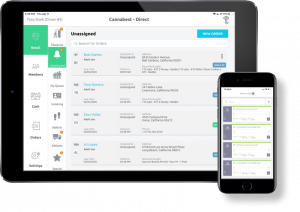
    • Compliance Officer: Responsible for developing, maintaining, and revising policies, procedures, and practices to prevent illegal and improper conduct in company operations. The compliance officer oversees the implementation of the inventory control plan and complies, reviews, and submits compliance reports to the government.
    • Inventory Manager: Responsible for developing and implementing inventory control procedures and best practices. The inventory manager works closely with the store manager to coordinate product orders from suppliers. The inventory manager is also responsible for ensuring that inventory audits and reconciliations are routinely conducted, as well as handling any inventory reports or inspections by governing or regulating agencies. The most important job of the inventory manager is ensuring that only the safest, highest-quality product is available at the dispensary at all times.
    • Store Manager and Dispensary Technician: Both are responsible for implementing inventory procedures. Store managers and dispensary technicians directly handle sales transactions and inventory and often are the ones performing inventory counts and audits. They’re the first line of defense in ensuring all transactions and inventory movements are recorded accurately.

    Determine who’s in charge of each item and how tasks will be carried out, who’s monitoring stock levels and reorders? Who receives products? Who performs inventory auditing? When and how often should it be done? With the right personnel in place, you can now draft your inventory management processes and procedures.

    Everything from placing orders and receiving products to restocking shelves, performing inventory audits, and conducting recall procedures so creating a flowchart can make it easier to spot deficiencies or areas for improvement.

    Real-Time Updates & Inventory Reporting

    Now that you have your inventory process laid out, comb through it to identify any tasks that can be automated. What are you doing manually that could be done by your inventory software or another app?
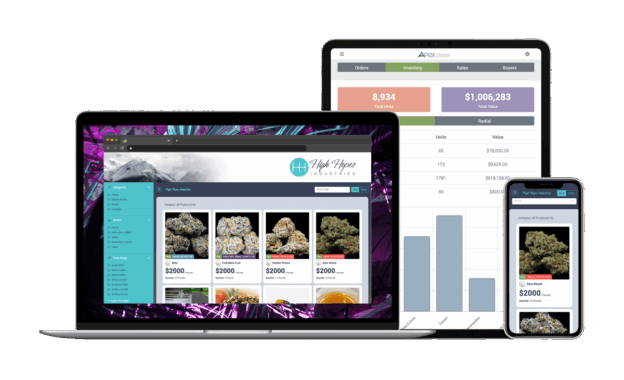
    For example, If you publish your inventory and pricing on a menu either on your website or a third-party marketplace like Leafly, Weedmaps, etc., consider using a system that is already integrated with those platforms or that has available Application Programming Interfaces (APIs) for the ability to integrate.

    This will ensure that inventory updates from your Point-of-Sale (POS) automatically synchronize with your online menus, saving you time in manual entry and eliminating human error. One of the most important tasks you’ll want to automate is compliance reporting.  Every regulated market requires retailers to report all transactions as well as inventory updates and reconciliations; although you have the option to do this manually in certain markets.

    Some cannabis industry regulators actually mandate that your POS integrate directly with the government traceability system, however, there are different levels of integration, and if your system doesn’t fully integrate, you’ll still spend hours manually reconciling and reporting inventory. This means that if you’re using a non-cannabis POS that doesn’t auto-populate the mandated reports in the correct format, you’ll have to create these reports by hand – painstakingly ensuring that they comply with the provincial template and are error-free.

    Regardless of which market you’re in, a leading cannabis POS automates reporting by fully integrating with government regulators’ traceability systems and helping you easily generate complex provincial compliance reports in just a few simple steps.

    Let us know what you think.

  • Inventory Accuracy & Cannabis Product Auditing

    Inventory Accuracy & Cannabis Product Auditing

    Even with an integrated, compliant inventory and Point-of-Sale (POS) system in place, you’ll still need to conduct regular inventory audits to ensure that the amount of merchandise you have in your system is consistent with what you actually have in your store (try out our METRC cannabis tracking training). Why is this important? Here are a few key reasons:

    • Ensures confidence in your dispensary technicians and customers that the inventory displayed in your system is accurate; this is particularly important if you have online menus where customers browse and make selections before traveling to your store.
    • Helps prevent cannabis product fraud, and diversion and reduce shrinkage.
    • It’s required by law! The frequency with which you’ll have to audit and the report will depend on your particular government regulator, but all discrepancies and adjustments must be reported.

    Every government regulator has developed robust laws regarding cannabis inventory tracking and reporting for cannabis businesses. You will have to regularly perform inventory audits, counting the physical inventory in your store and comparing it to the inventory reported in the traceability system. If there are any discrepancies, local governments expect those to be properly reported – and failure to comply will cost you money or, even worse, your license.

    While it is possible to audit your inventory and adhere to reporting guidelines without an inventory management system, it will cost you a lot of time and headaches. The number of Stock Keeping Units (SKUs) in any given dispensary ranges from five hundred to three thousand (500 – 3,000+) or more – counting and adjusting them all by hand is cumbersome, time-consuming, and tedious.

    Luckily, a solid cannabis inventory system will help make the auditing process significantly smoother and take the complexity – and time commitment – out of reporting.


    Regular Inventory Auditing Schedule

    First, you’ll want to create an auditing schedule. Routine, consistent auditing ends up saving you time and effort by preventing small discrepancies from becoming much bigger headaches down the road. While you could count all your inventory at once, it would require shutting your store down or paying your staff overtime to work into the wee hours.

    Likewise, trying to count during peak business hours means your inventory will be in flux – not to mention you’ll be pulling resources away from customer services. Here are a couple of strategies you can use to create an efficient auditing schedule:

    • Counting by Product Category: Assign one (1) or two (2) product categories to be counted on designated days.
    • Counting by Product Location: Divide your store into sections and count certain sections each day.

    To make the process as efficient as possible, conduct product counts during slower business hours – either just before or shortly after opening, or toward the end of the day. Also consider assigning categories or sections with higher product volume on slower business days, and vice versa.


    Inventory Counting and Reporting Discrepancies

    Once you’re ready to start counting, gather the materials and tools you’ll need for the job, there are two (2) main ways to perform the inventory count:
    Manual Counting

    • Inventory Management System: Go to the inventory on-hand report and filter for the items you want to audit.
    • Print Product List: If you’re conducting a blind count, omit the number of inventory on hand in your list.
    • Physical Inventory Count: Then enter the amount you counted into your Point-of-Sale (POS) system.
    • Review your adjustments and save your audit.

    Barcode Scanning

    • Alternatively, you can conduct your count using the barcode scanner.
    • Upon scanning a product, the inventory item will be counted in your POS.
    • Any discrepancies will be flagged for review.
    • While the barcode scanning method can increase accuracy, it may sometimes be faster to conduct a manual count.

    With the count completed, you’re ready to report your reconciliation to the government. Remember: you’ll need to provide reasons for any inventory adjustments. Depending on your market, if your POS is fully integrated with the traceability system, all adjustments and reason codes will be automatically populated, saving you even more time.

    Different POS systems facilitate both inventory auditing processes, and authorized personnel can approve bulk adjustments and reason codes with just a few simple steps. This considerably reduces the time cost of performing inventory audits and managing recalls.


    Reduce Inventory Inaccuracies

    Discrepancies in your inventory counts – also known as shrinkage – need to be identified as quickly as possible. Of course, regularly auditing your inventory will help you spot shrinkage early and correct it before it becomes a bigger problem. Some of the most common causes of retail shrinkage include shoplifting, supplier fraud, employee theft, and administrative errors.

    For example, if your inventory isn’t syncing correctly or your system is down, you may need to deduct inventory manually, which can easily lead to human error. Using a reliable Point-of-Sale (POS) that’s equipped with an offline mode and a real-time inventory management system can help prevent these types of errors.

    The right cannabis POS can also help guard against internal theft and fraud by allowing you to set permissions for each staff member, restricting certain abilities to managers only, and prohibiting employees from selling to themselves or giving unauthorized discounts to friends. You can also help prevent internal theft at your dispensary by cultivating a loyal staff and diligently performing your inventory audits as scheduled.

    Cannabis Product Inventory Optimization

    Easily Create Your Own Cannabis EdiblesWith your inventory management system and processes running like a well-oiled machine, it’s time to optimize your inventory for maximum profitability. Your inventory and merchandising strategies should keep up with seasons, trends, and consumer demands – which are always changing.

    This is where data really comes into play. With a sophisticated Point-of-Sale (POS), you’ll be able to identify and track inventory metrics that will give you a deep understanding of exactly how products are moving through your store. Some of the most common Key Performance Indicators (KPIs) for cannabis retailers and dispensaries include:

    • Inventory Turnover: A measurement of how your products are performing. The higher your turnover, the less time your inventory spends collecting dust on the shelf – and the less it ends up costing you. This is a great metric for determining the efficiency of your inventory management system as a whole, and it’s typically calculated on an annual basis.
    • Days of Supply: The number of days it would take to run out of supply if not replenished. This helps you see how much available inventory you need to maintain normal operations for any given period of time in the event of a supply chain disruption.
    • Average Age of Inventory: The average number of days it takes you to sell a given product. This is important because the older your inventory is, the more it’s costing you. If the average age of a product exceeds one hundred and twenty (120) days, it’s time to drastically reduce its price, repackage it, bundle it – whatever it takes to get it off your shelves.
    • Product Performance: One of the most critical metrics in any retail operation – a deep understanding of product performance will help you maximize store performance and profit.
    • Category Performance: Just like products, knowing how different categories perform in your store will help you with inventory planning and strategic promotions.
    • Lost Sales: Tracking lost sales can help you see how much revenue you’re losing when high-selling products are out of stock. To calculate your total cost of an Out-of-Stock (OOS) item, multiply your inventory deficit (average daily sales of your OOS product) by the number of days the product has been OOS.
    • Sell-Through Rate: The percentage of products sold in relation to the number of products available for sale. This can be calculated for individual products or your entire inventory.
    • Gross Margin: The percentage of sales revenue you keep after deducting your Cost of Goods Sold (COGS). The higher your gross margin, the more you keep of every dollar, which is also referred to as gross profit.
    • Shrinkage: Shrinkage is the difference between the inventory you have on paper (or in your inventory management system) and the physical inventory in your stockroom.


    Cannabis Product Demand Forecasting

    Now that you’ve collected all that data, it’s time to put it to use. Demand forecasting is a strategy retailers use to anticipate trends, rather than react to them – helping you fulfill your customers’ needs and stay one step ahead of the competition. And that’s exactly where all those metrics come in. You use demand forecasting whenever you reference your historical sales and inventory data to identify key trends.

    For example, every cannabis retailer knows they need to be well-stocked for April 20th (aka “4/20”), but when you’re sitting on a war chest of data collected by your Point-of-Sale (POS), you’ll be ready to capitalize on the biggest sales day of the year with bundles, promotions, and deals targeted directly to your customers.

    Of course, data isn’t the only component of demand forecasting. You should also factor in market research, customer feedback, industry trends, and seasons. As one of the most vital components of any cannabis dispensary or retail operation, we hope you’ve gained a few inventory management insights and ideas that will help you in your store. A few key takeaways:

    • Proper inventory management is critical in any retail operation, but even more so in cannabis retail due to strict government compliance requirements.
    • Making inventory management procedures as efficient and streamlined as possible saves time, lowers costs, and mitigates the risk of penalties associated with a compliance violation.
    • Using a Point-of-Sale (POS) and inventory management solution built specifically for the cannabis retail industry is crucial to optimizing operations and automating critical tasks that include compliance reporting.

    Your dispensary will need to use a “Seed-to-Sale” compliant POS and inventory management solution designed to streamline cannabis retail. It will be essential that the POS not only meets all system requirements in every market served but constantly adapts to changing rules and regulations to make compliance simple for owners and employees, reducing the risk of infractions and fines.

    In addition to automated compliance features, the POS systems available will offer an intuitive, user-friendly design and lightning-fast transaction time.

    Let us know what you think.

  • Cannabis Product Inventory Management

    Cannabis Product Inventory Management

    Ask any successful retailer what the key to a healthy, profitable business is and they’ll tell you: proper inventory management. Without it, sales suffer, customer satisfaction tanks and your bottom line takes a serious hit.

    Cannabis retail is no different. In fact, in our industry, inventory control is not only inextricably linked to profitability ($$$), but also mandated by regulation; an inventory-based compliance infraction can incur fines or even license suspension, among other penalties.

    So how can you run a profitable cannabis dispensary or retail store while ensuring your operation remains compliant with the inventory control and reporting requirements of your market? Thanks to advances in cannabis retail technology, it’s actually not as hard as you might imagine – and we’re going to show you exactly how it’s done in this comprehensive cannabis training.

    The truth is that inventory management is the heart of any retail operation, regardless of industry. But particularly when dealing with perishable and highly valuable products, understanding exactly how much inventory you have becomes even more critical to the success of your store. Keeping too much stock on hand can lead to storage issues – not to mention profit losses via product expiration and damages.

    On the other hand, constant backorders and lack of inventory can drive customers away and cost you lost sales. Of course, with compliance concerns looming large over the cannabis industry, dispensary and retail owners must be even more diligent in their inventory control measures. As a cannabis retailer, you must track and report your inventory according to the laws and regulations of your market; fail to do so, and your business could take a big hit in the form of a compliance violation.

    It’s also important to understand that the inventory management regulations of our industry weren’t designed arbitrarily. The intention behind the “Seed-to-Sale” tracking systems is to prevent product diversion and accessibility to minors – a responsibility cannabis industry operators shouldn’t take lightly.

    Finally, smart inventory management helps enhance customer service, which can lead to increased customer acquisition and retention. Cannabis patients and consumers who are particular about their preferred strain or solution won’t hesitate to ditch your store for another one that routinely has what they’re looking for in stock. The term “Seed-to-Sale” gets tossed around a lot these days.


    “Seed-to-Sale” vs Retail Software

    Since the start of the regulated adult-use cannabis market, government traceability programs have required licensed operators to track and report all cannabis products as it moves through each stage of the supply chain – literally from seed to sale.

    As a cannabis retailer, it’s important to understand the distinction between true “Seed-to-Sale” software and retail software that is “Seed-to-Sale” compliant. The intent, of course, is to account for every gram of cannabis so as to prevent diversion to the illicit market and help manage product recalls.

    In the earliest days of legalization, when most cannabis businesses were vertically integrated and only operating from a single location, full-scale “Seed-to-Sale” software made sense. This software helped those operators manage their entire operations – from cultivation to processing to retail – in one system. Today, thanks to advances in government traceability systems and cannabis software, retailers who are not vertically integrated no longer need full-blown “Seed-to-Sale” systems in order to be compliant with regulations.

    They simply need a dispensary Point-of-Sale (POS) and inventory management system that can integrate with the government’s traceability system for tracking and reporting. On the other hand, while vertically integrated retailers can choose to use vertically integrated software, they can also simply connect a capable retail POS with their cultivation and processing software programs for a unified system.

    The fact is, your dispensary relies on your sales and inventory reporting system to stay in business – because if your compliance reporting is compromised, so is your license. However, a well-designed cannabis POS will help you streamline the compliance process and safeguard your operation. Here’s how a two (2) way integration helps retailers and dispensary owners simplify compliance:

    • Cannabis cultivators and processors are required to report cannabis sales and inventory data to government traceability systems (ex. METRC, BioTrack, etc.).
    • Because different POS systems are fully integrated with the traceability systems in every market we serve, those wholesales are auto-populated in the manifest.
    • Retailers can simply log in to their POS system to receive their manifests from the cultivators and processors.
    • All retail sales to consumers are automatically tracked and reported back to the traceability system, closing the loop of “Seed-to-Sale” tracking.

    With that, let’s dig into the meat of inventory management for cannabis retailers.

    Point-of-Sale (POS) & Inventory Systems

    As we’ve seen, inventory management is the key to a successful cannabis retail operation – and good inventory management begins with a proper inventory management system.

    But with so many options on the market, choosing the right solution can be overwhelming. Not every system will suit your specific needs, so it’s important to consider your dispensary’s goals and strategies and pick a Point-of-Sale (POS) that will support them.

    For example, if you run a high-volume store, you’ll definitely want to look for system reliability, swift transaction times, and an offline mode for backup in case your Wi-Fi connection drops. Extra bells and whistles will be worthless if your system is slow or, even worse, crashes on a major sales day like April 20th (aka “4/20”).

    If a unique customer experience is what sets your dispensary apart, then you’ll want to employ a system that facilitates a variety of different sales flows and enables dispensary technicians to provide impeccable service – for instance, having product and stock info at their fingertips, and being able to send orders straight from their tablet to the cashier for expedited checkout and to the backroom for product prep.

    Another consideration is mobility. As a busy executive or store manager, you may need an inventory system that provides a mobile dashboard so you can monitor your operation’s performance on the go. Additionally, you’ll want to think about your customers’ mobile experience then you need to make sure your solution plays nice with third-party systems like Leafly, Weedmaps, etc.

    Of course, it’s also important to think beyond your current needs and consider future possibilities. For instance, if you’re running a high-volume store and are thinking about expanding to multiple locations, you’ll want to know that your chosen system has the capability to scale with you.

    Knowing your needs from the get-go will enable you to narrow down the field of choices and ultimately make your search less overwhelming. Here’s a brief list of questions to consider as you begin your search for an inventory management system:

    • Is your inventory system integrated with the popular “online menus” like Weedmaps, Leafly, etc.?
    • Does your inventory system have available Application Programming Interfaces (APIs) for easy integration with current or future services and apps at a low cost?
    • How easy is it to perform an inventory audit on the system?
    • Can the system track batch Identifications (IDs) and manage product recalls?
    • Have you implemented a barcoding system to track and label inventory?
    • Do you offer delivery or sell in multiple channels, and if so, are you able to track and manage your inventory across different stores and channels?
    • How robust is the system’s inventory reporting? Does it give you insight as to when and how much inventory to restock?

    As you can see, there’s a lot to think about when choosing a cannabis retail inventory system.

    Let us know what you think.

Do NOT Grow Another Plant Until You've Enrolled Into This! 💯
Cannabis Horticulture
A Carefully Curated Cultivation "Crash Course" On Everything You Need To Crank Out High-Yielding, "Cannabis-Cup Winner" Flowers That'll Generate HUGE Crops All-Year Long
Crafting Cannabis-Infused Edibles Takes MORE Than Ingredients... 🍽️
Edible Cannabis Products (100% FREE Training)
Enthusiasts Face Challenges Navigating An Ever-Expanding Array Of Cannabis Products & Delivery Methods From "Raw Flower" Smoothies To Infused-Edibles, Cannabinoid-Based Drinks + MORE.