Category: What’s New

  • Higher Potential Scholarship Coalition

    Higher Potential Scholarship Coalition

    Cannabis Scholarships Developing “Next Generation” Leadership

    If you’ve ever dreamed of turning your passion for cannabis into a legit career, this is your sign. The Higher Potential Scholarship just dropped and it’s stacked with over $25,000+ in cannabis industry opportunities, from exclusive mentorships and access to free education, event passes, and a $1,420 grand prize.

    The cannabis industry’s rapid growth has opened up a wealth of opportunities for students and professionals eager to work in this exciting as well as evolving field. From cultivating expertise in plant science and cannabis business to pioneering cannabis chemistry and advocating for social equity, a variety of scholarships are available to support students pursuing careers in cannabis.

    What makes this initiative different?

    It’s powered by a Coalition of over twenty (20+) cannabis industry brands, individual educators, and thought-leaders who are each offering a unique award rooted in their expertise.

    Together, we’re creating real pathways into the industry for the next generation of talent.

    Green CulturED is proud to stand alongside leaders in the industry who have a vested interest in the development of professionals in the industry we all love.

    A wide range of Green CulturED educational and developmental opportunities are available through the Higher Potential Scholarship (click here) including five (5) tuition-free seats per state to your choice of our Responsible Vendor Training Program or Workforce Development Program of your choice!

    Built by the Culture, for the Culture

    The Higher Potential Scholarship Coalition is a who’s who of cannabis culture, here’s what you’re getting access to:

    • DaySavers: $1,420 cash grand prize, plus 1 opportunity scholarship

    Educational Partners:

    • Green CulturED: 5 Tuition-free seats per state, available in nearly 20 states, or a Workforce Development Program of your choice
    • SUNY Niagara: 10 Cannabis course scholarships + 5 SUNY Cannabis Conference tickets
    • Operator Academy: 25 Tuition-free certification seats with starter toolkits
    • Veterinary Cannabis Society: 8 seats to the Veterinary Cannabis Society Cannabis Education Course
    • Ganjier: Three (3) tuition-free seats in the Ganjier Product Specialist certification program

    Industry Access and Networking:

    • Benzinga: 5 event passes to 2025 & 2026 shows (21+)
    • NECANN: Event passes to NJ, NY, Boston, MD, and VT events (21+)
    • Marijuana Venture: Tickets to Interchange events, mentorships and media features in Marijuana Venture (21+ for events)
    • Smoke Temple: 4 Passes to MJBizCon 2025 (21+)
    • Fill-a Blunts: 4 Pairs of event passes to NECANN NJ and Champs TX/FL (21+)
    • CannaCon: 5 Pairs of event passes to CannaCon MN & WA in 2025, plus 2026 events (21+).
    • The Cannabis Alliance: A pair of tickets to the 2026 Washington Cannabis Summit (21+)

    Professional Development:

    • Custom Cones USA: 2 Mentorships with founders Harrison Bard or Fredrik Rading
    • The Mycelia Group: 2 Strategic cannabis business development opportunities with founder & CEO Jessica Ferranti
    • Connecticut Ombudsman: 5 In-state mentorships & 3 out-of-state mentorships
    • The Network of Applied Pharmacognosy: 2 mentorships with cannabis scientists and researchers Dr. Miyabe Shields or Dr. Riley Kirk
    • Cannabis & Tech Today: Consulting services, internships, tickets to partner organization events & subscriptions from C&TT
    • Sage Advice: 3 Six-month professional memberships
    • CannaSexual: 2 Sex & cannabis mentorships with founder and award-winning sexologist Ashley Manta
    • The Canna Boss Babes: Multiple consulting & mentorship sessions with CEO and Host of The Canna Boss Babes podcast, Ishqa Hillman
    • Camp Laughing Grass: 2 Mentorships in cannabis tourism and hospitality with Trinity Madison;
    • CannaSaiteCo.: Offering a complimentary modern cannabis website package with a supporting website consultation session; and
    • Ganjactivist: Coming Soon!

    It’s all about expanding dank opportunities for those in and around our community who are lookin’ to make bud the focus of their work.

    At Green CulturED, we value education deeply and want to help students in need. We recognize that any higher education can be a very significant expense.

    In addition to ever-rising tuition, students may be responsible to pay for housing and other school-related expenses. Attending university can effectively cost students hundreds of thousands of dollars.

    Puff, Puff, Apply

    The application process is simple: explore and find the right opportunity that vibes with your interests, share a short personal essay about your journey with cannabis, your goals, and why this opportunity matters to you, submit and manifest. That’s it…

    There are over 100+ awards to go around, and perfect résumé isn’t required, just a vision, passion, and drive to make your mark in the world of cannabis.

    What started as an idea quickly turned into a Coalition of industry experts coming together for the good of the weed game, paying it forward to future generations of cannabis professionals who are shaping the market as we know it right now.

    Apply Now: https://daysavers.com/higher-potential-scholarship/

    Winners will be selected from the students who show the best overall combination of knowledge and passion for sustainability, community, awareness, and innovation for the future of cannabis not only as an industry but as a medical medium.

    Let us know what you think.

  • How To Start A Cannabis Dispensary

    How To Start A Cannabis Dispensary

    Expansion is the name of the game in retail so operators are opening more locations than in previous years and hiring more employees. The legalization of cannabis is moving at a fast pace across the globe. With regulated markets allowing the use of medical cannabis and permitting its consumption for every adult.

    Article Content

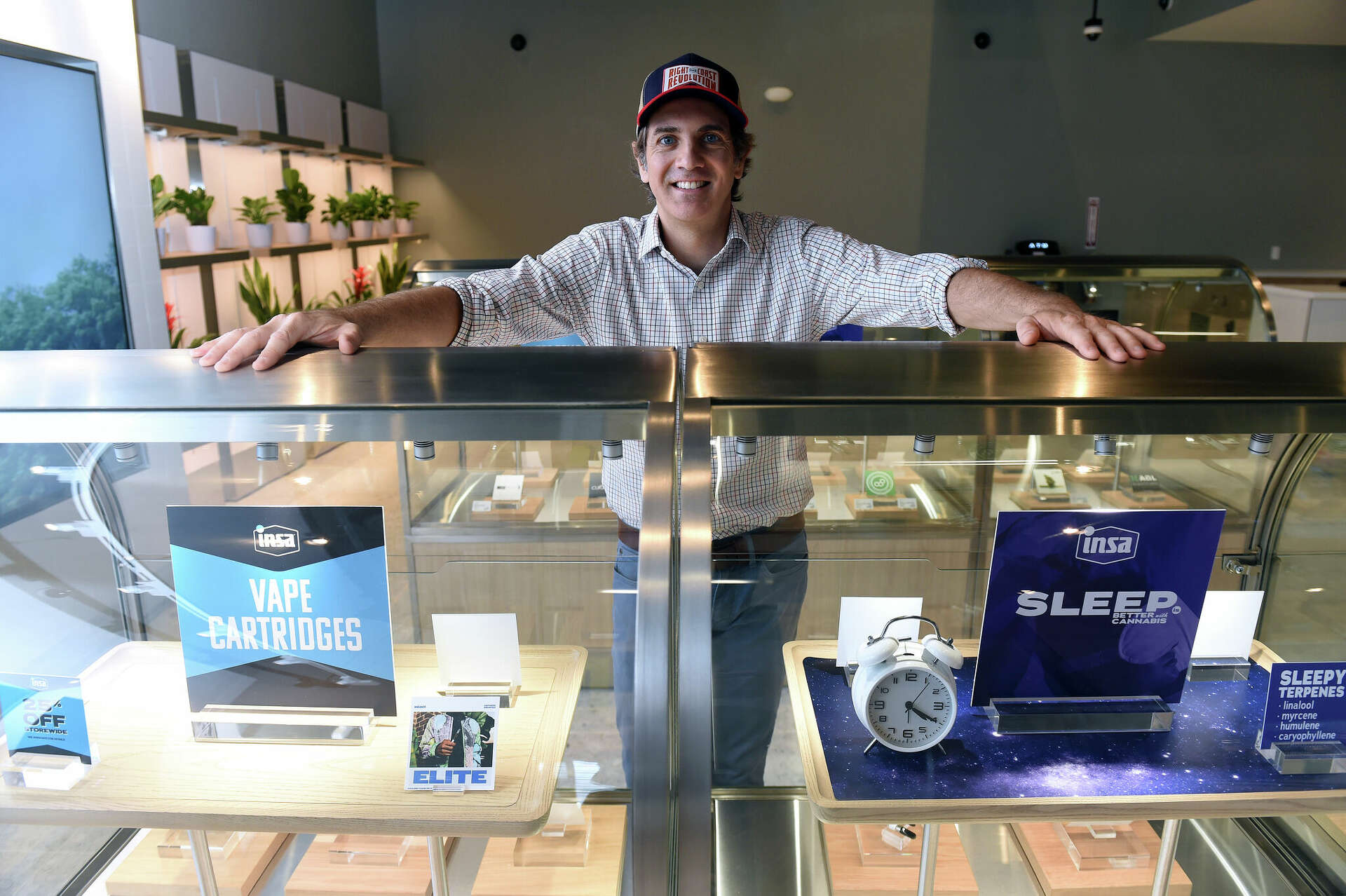
    A dispensary manager standing behind a counter showcasing vape cartridges and sleep products in a modern cannabis dispensary.
    A professional dispensary manager showcasing premium cannabis products for customers.

    The designation of cannabis dispensaries as essential businesses by many regulated markets proved to be a game-changer and allowed the cannabis retail industry to weather the storm.

    As the industry grows and regulators introduce more business-friendly practices, consolidation is expected to continue in several maturing markets.

    If you are thinking about opening a dispensary, the time is now because the fact of the matter is that entering the legal cannabis industry can be incredibly profitable and there are opportunities galore.

    Unfortunately, the grass isn’t entirely “greener” when it comes to the business landscape, and there are multiple challenges and risks that dispensary owners must navigate and overcome.

    While all of this may sound challenging, successfully opening and operating a dispensary is more than rewarding.

    You’ll notice that one recurring answer in this training is “it depends” – all regulated markets have their own licensing, application, and compliance procedures, meaning the legal landscape in which dispensaries operate can vary dramatically.

    We’ll try not to harp on the point, but always remember that everything needs to be cross-referenced against the policies and procedures that cover the regulated market in which you intend to operate.

    Let us now dive into the initial research and planning required before taking the plunge into opening a cannabis dispensary.

    A friendly budtender assisting a customer with a cannabis product menu displayed on a tablet.
    Providing personalized assistance to customers in a cannabis dispensary.

    Broadly speaking, these can be categorized into five groups: legal, compliance, social, financial, and security.

    1. Legal: Potential dispensary owners must bear in mind that the cannabis industry operates under strict laws and regulations that set their business apart from the conventional retail operations. Stringent requirements include residency, background checks, location and zoning restrictions, etc., which can make starting and running a business quite challenging.
    2. Compliance: You’ve surely heard of “Seed-to-Sale” tracking. Most government regulators must track the movement of all cannabis plants and products from the time the seed is sown by cultivators to when the plant or any of the products derived from it are sold to the end customer, and you will have to submit regular compliance reports to the traceability system.
    3. Social: Just because cannabis is increasingly legal doesn’t mean that the social stigma associated with it has disappeared. Make an honest appraisal as to whether this might create any personal friction for you with friends or family. You’ll also want to gauge the attitudes and perceptions of your landlord, neighbors, and the community at large.
    4. Financial: Even a modest dispensary can easily cost upwards of a quarter-million dollars ($250,000) just to launch, and in regulated markets, you may need up to one million dollars ($1,000,000) as an initial investment. Additionally, dispensaries often have difficulties obtaining financial services due to government restrictions leading to a heavy reliance on cash.
    5. Security: Since cannabis retail still primarily involves cash transactions, you’ve got to be on the lookout for theft, both internal and external – as well as robbery. You’ll also have to spring for a pretty heavy-duty security and surveillance system to stay compliant with the law, as these systems are also required to ensure that you are only selling to people of legal age.
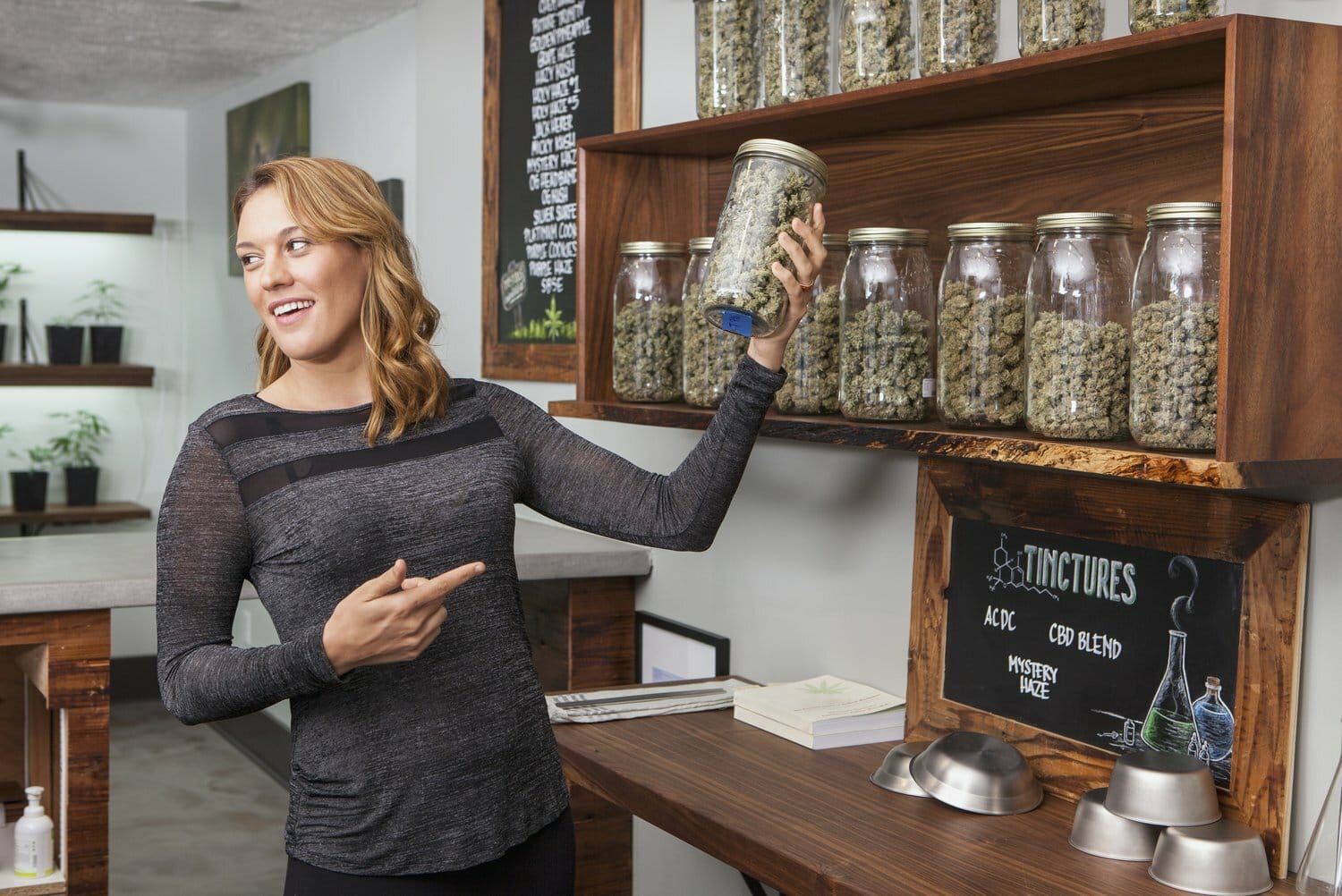
    A dispensary technician holding a jar of cannabis flowers and explaining its features to customers.
    A dispensary technician highlights top-quality cannabis products for customers.

    Most regulated markets maintain a checklist of sorts on their official website that details how the application process works, which you’ll want to take a look at.

    Generally speaking, however, the four (4) most important initial steps in opening a dispensary, no matter the region, can be boiled down to finding an appropriate location, applying for the legal license, raising initial capital, and drafting a solid business plan.

    1. Licensing: Ultimately, no license means no dispensary, so this is the first step to begin your research. Work with an attorney or consultant to perform an in-depth study of all federal, and local municipal laws, along with licensing requirements. The two (2) crucial aspects to consider are “must-haves”- requirements you must satisfy to obtain the license, and “red flags” – anything that can lead to an instant rejection of your application.
    2. Location: In most jurisdictions, having a prospective physical location for the dispensary already locked down is a prerequisite for the license application. This means that you must research in-depth the municipalities you are considering operating in, paying particular attention to demographics and additional restrictions when it comes to local-level compliance.
    3. Financing: Simply put, getting a business loan approved for a cannabis dispensary is extremely difficult when it is possible. That means primary sources of funding and capital for “normal” small businesses just aren’t available most of the time for dispensaries in the cannabis industry. Things are changing fast but you’ll still have to be creative in coming up with a plan to raise the initial capital – this may come from personal investment or other trusted investors.
    4. Business Plan: Your business plan is by far the most important document that you will need to draft. You will need it to help secure funds and demonstrate to the authorities that your operations plan satisfies their legal requirements. Your plan must cover finding and developing the location you intend to use, handling daily operations and security at your dispensary, financing, procurement, community development, etc.
    A cannabis dispensary agent standing behind a display case filled with labeled jars of cannabis strains.
    Offering a wide selection of cannabis strains at a professional dispensary.

    Let’s examine the actual process of applying for your dispensary license, and break it down into a few easy-to-understand steps.

    Here are a few key components you’ll need to successfully navigate the process, regardless of the regulated market:

    • Research Government Websites: An overview of government regulations, including licensing requirements and links to relevant government websites.
    • Avoid Potential Red Flags: Check to see if there are any red flags in your business plan that may cause your application to be denied outright. Not meeting age or residency requirements can trigger a refusal, as can past criminal convictions.
    • Administrative Paperwork: The next step in the process is filling out all of the forms and applications for your dispensary license. Ensure you are honest to the best of your ability and double-check that you have every one of the required elements of the application. This will include obtaining your tax number and any other required documentation relevant to your choice of corporate structure.
    • Investigation: Next, you’ll wait while the government licensing authority investigates your application and performs its due diligence. If any problems come up during the investigation portion of the process, the applicant will typically be notified and allowed to respond.
    • License Approval: Assuming all the information provided on the initial application checks out, moss approved, you will typically be expected to render license payment at this time.
    • Local Compliance: After the regulators grant your license, you may also be required to seek additional approval at the local level (ex. town, city, etc.). Work with the specific municipality you are considering operating in to ensure that you are fully compliant on the local level, as well as at the regulatory requirements. Local application approvals often take longer, so be sure to account for any extra time needed.
    • Tax and Financial Requirements: Finally, once all licensing and compliance details are handled at the regulated market and local level, there may be additional financial or taxation-related things to handle. Typically, you will need your formal license approval before you are allowed to begin applying for these types of documents.
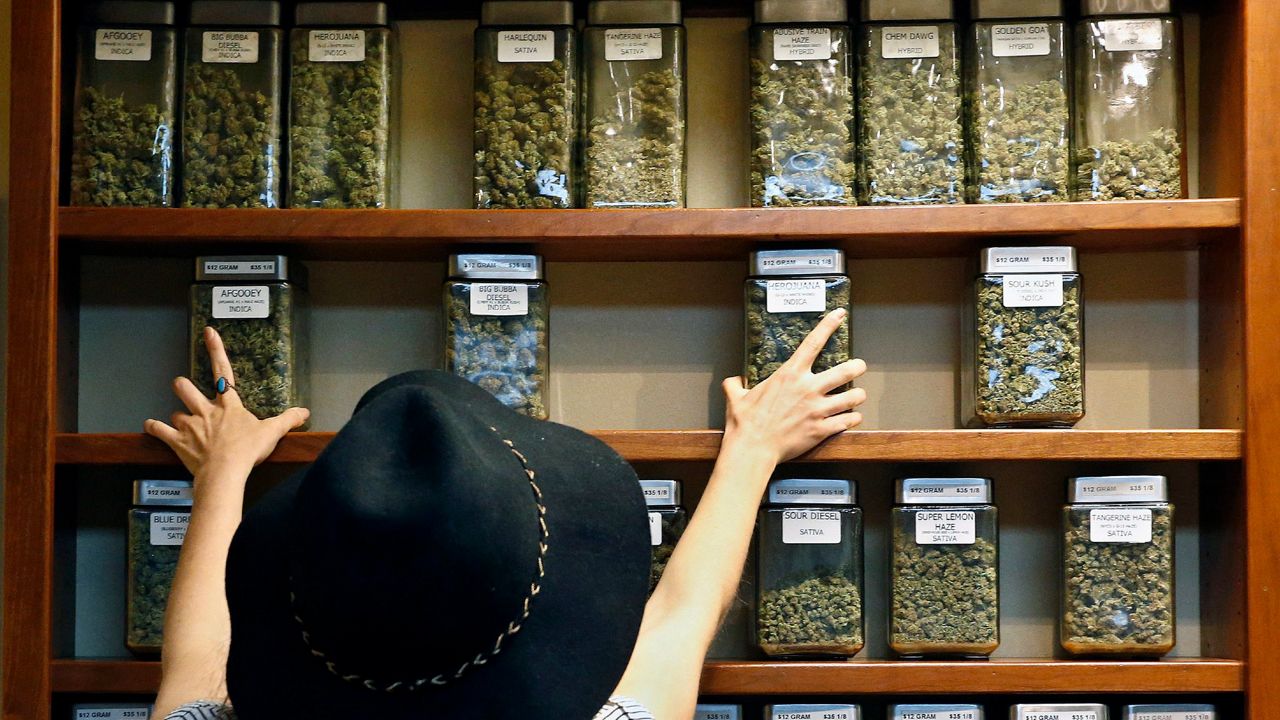
    • A customer browsing cannabis jars on a wooden shelf in a modern dispensary.
      A customer explores various cannabis strains in a retail dispensary.
      Business Plan: You aren’t getting anywhere without one.
    • Financing and Capitalization Proof: Be able to demonstrate possession of the appropriate capital to the licensing authority.
    • Full Team List: For background checks and fingerprinting purposes.
    • Location: Make sure your selected location is fully compliant with all local zoning laws.
    • Security and Surveillance: Having a security plan for your facility is a critical part of the licensing process.
    • Execution and Compliance: Point-of-Sale (POS) and technology systems you’ll use to ensure your retail sales are always compliant and to submit legal reports.

    With an aim to make the cannabis industry more diverse and inclusive, most regulated markets have implemented social equity programs with special provisions for applicants from minority and disproportionately impacted backgrounds.

    These programs attempt to ensure that people of color, and those with cannabis offenses prior to legalization, be afforded an opportunity to participate in this burgeoning industry. Check with your cannabis industry regulators to determine your eligibility for such programs.

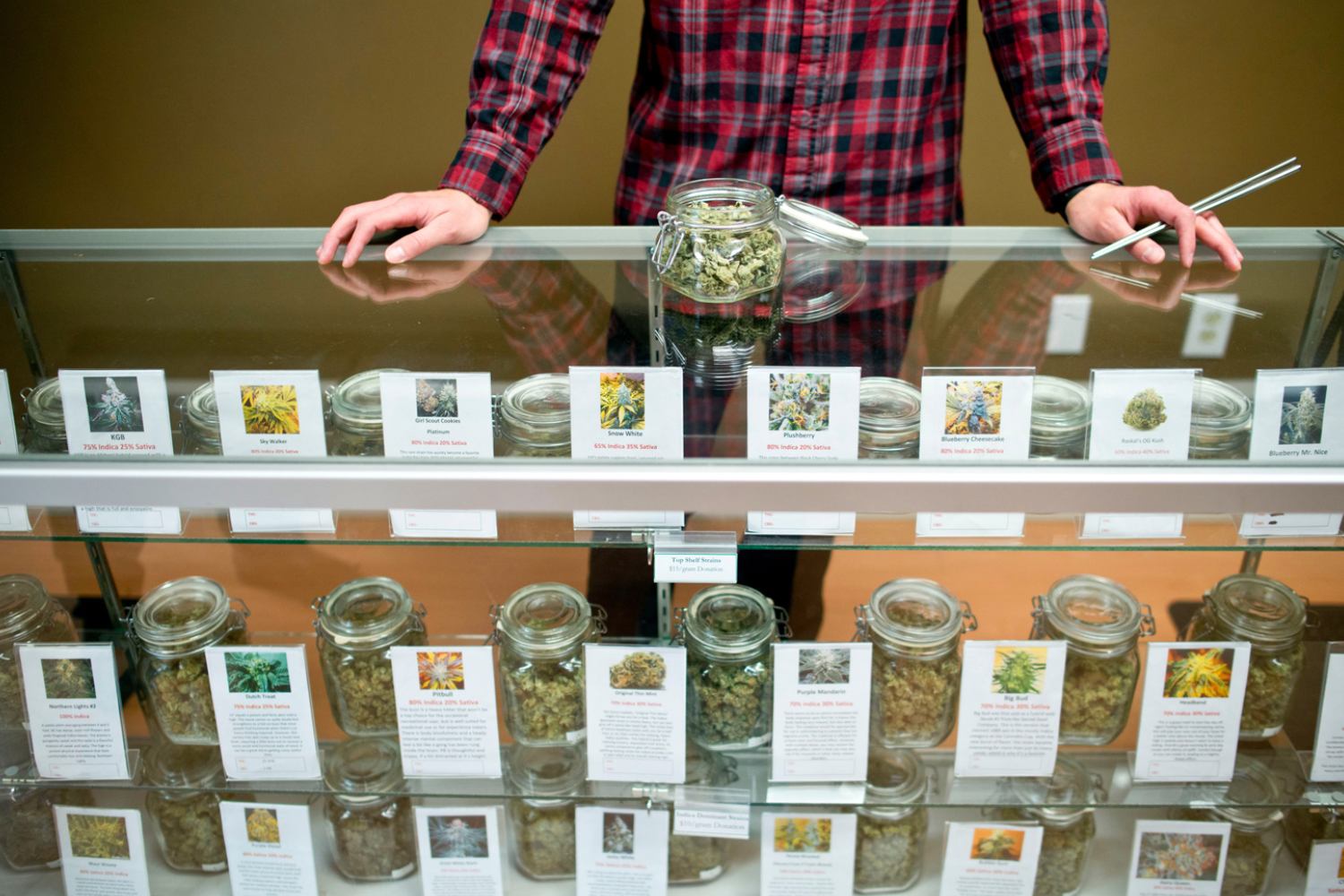
    A well-organized retail cannabis dispensary with glass display cases and wooden shelves filled with cannabis products.
    A beautifully designed cannabis dispensary showcasing premium products.

    The business plan is the single most important document an owner needs to create during the process of opening their dispensary.

    To keep things simple, we’ve identified seven (7) critical areas of focus that your plan should address to gain licensing approval and attract potential investors.

    1. Real Estate and Store Design: There may be legal mandates or zoning laws in place which restrict potential locations for dispensaries (your attorney and realtor will advise you on this). Select the municipalities you are most interested in, get a feel for costs, and pay careful attention to any needed capital improvements.
    2. Financing: Outline how much capital you need to raise, and where it will come from. You’ll need to address licensing and/or application costs, working capital requirements, the cost of your initial flower stock, wages for your staff, technology costs, real estate, and several other factors. You’ll need to be very specific as to who the investors are to ensure successful licensing.
    3. Business Model: Last but not least, your business plan must include the retail model for your cannabis dispensary. You could just be planning to operate a single independent store or perhaps a multiple-location enterprise or franchise business. Learn more about the different cannabis retail business models before you decide to choose one.
    4. Team: Due to the enhanced legal scrutiny of the cannabis industry, dispensaries perhaps depend more on their staff for success than most other businesses. You’ll need to get top-notch professional services, including legal and financial advice, and put together an excellent team, including dispensary technicians, security, and administrative support. Ensure that you are hiring as per social equity, diversity and inclusion, and local community guidelines set by authorities.
    5. Sales and Marketing: This section of the plan should outline what you intend to do to differentiate yourself from the competition. This could include a greater focus on customer service, enhanced online ordering or delivery capabilities, a superior design aesthetic that better appeals to your customer base, or providing a more personalized shopping experience in your locality. Delivering a superior customer experience is key to success, and you must have a cannabis retail marketing strategy to help you in that.
    6. Operations: This part should focus on how your dispensary will operate on a normal daily basis. Talk about your hours of operation, logistics, concerns related to sourcing your flower, who will be on your staff and what roles they will fill, the technology your dispensary will utilize, inventory auditing, “Seed-to-Sale” tracking, how you will submit your compliance reports to authorities and other concerns of this nature.
    7. Security Measures: The security plan must include details on your security surveillance system, security personnel, the vetting process for employees (ex. background checks, etc.), and how and where you will keep cash and cannabis products securely. You also must mention how you will verify the identification of customers and ensure you are selling only to people of legal age.

    While this should get you off to a great start, it only scratches the surface of what your full business plan should cover.

    The more detailed, thorough, and complete your plan is, the higher the likelihood your licensing application will be approved.

  • Certified Cannabis Patient Ethics & Privacy

    Certified Cannabis Patient Ethics & Privacy

    Ethics and patient privacy along with their legal rights are a growing concern for the expanding medical cannabis industry, but too frequently, organizations fail to treat it as a significant risk and management priority.

    Professional persons in healthcare delivery fields have legal and ethical responsibilities to safeguard the confidentiality of information regarding the patients in their care.

    It is helpful to think of privacy as having two (2) major dimensions – legal requirements that arise specifically from government-level cannabis regulations concerning its medical use, and then requirements that are more generally applicable but include cannabis organizations that are operating.

    Cannabis-specific regulations differ between various legal jurisdictions, and even within communities, such as requirements applicable to medical cannabis patients and adult-use consumers.

    Many take an approach to medical user privacy that is inspired by the fairly robust set of standards around health information and laws that govern medical records.

    It’s been long established that the mere fact of receipt of medical care is itself treated as Protected Health Information (PHI), and so similarly cannabis operators are frequently required to maintain the confidentiality of medical users.

    Medical Cannabis Certification Programs

    Medical cannabis is becoming widely available and its medicinal use for patients is likely to expand. Despite the increased accessibility and use of medical cannabis, physicians have significant knowledge gaps regarding evidence of clinical benefits and potential harms.

    Primary care providers have an ethical obligation to develop competency to provide cannabis to appropriate patients. Furthermore, specific ethical considerations should guide the recommendation of a patient’s medical cannabis certification.

    In many cases, these ethical considerations are extensions of well-established principles of beneficence and nonmaleficence, which indicate that providers should recommend cannabis only for conditions that have the strongest evidence base.

    Additionally, the contested status of cannabis in cultures around the world raises specific issues related to shared decision-making and patient education, as well as continuing clinical education.

    Despite these rapid changes, aspects of the political debate over medicinal cannabis remain entrenched in a discourse that reflects anachronistic moral and political sentiments, rather than evidence-based considerations of how to balance the benefits of medicinal cannabis against potential individual and public health risks.

    Recent surveys indicate significant knowledge gaps about the effectiveness of medical cannabis among practicing physicians, and although many providers believe medical cannabis can be helpful for patients, a minority feel sufficiently informed to make recommendations.1,2

    Their training offers little promise of improvement: a recent survey of residents demonstrates that nearly eighty-five percent (85%) receive no education in medical school or residency on medicinal cannabis.3

    Given the reality of medical cannabis, primary care providers now have an ethical obligation to develop a level of clinical and ethical competency to enable them to recommend cannabis to their patients when it is indicated.

    This is particularly so because cannabis industry regulators typically establish a list of qualifying medical conditions, typically including terminal illnesses and illnesses presenting severe chronic pain.

    This is sometimes a closed list created by statute or regulation, or sometimes a more open list subject to the opinions of licensed medical professionals. Thus, the mere fact of participating in a medical cannabis program implicates significant privacy concerns.

    On the adult-use side, privacy regulation is more varied but can be exacting, as some regulators impose extensive requirements on the gathering, use, and retention of medical user personal information.

    Outside of cannabis-specific regulation, cannabis organizations are also subject to generally applicable privacy laws if they gather significant information about patients.

    The identity verification and record-keeping practices of most cannabis businesses necessarily involve gathering and holding personal information that is subject to local regulations.

    Due Diligence Practices

    As with any organization in a highly regulated industry, cannabis companies must contend with the key risks surrounding regulatory compliance relating to their transactions.

    Such regulatory issues include obtaining and determining the validity of an organization’s licenses and permits to conduct operations under the legal framework, particularly because government licensing regimes change frequently and typically issue licenses that must be regularly renewed.

    But beyond the important question of whether an organization is legally able to operate in a given jurisdiction, the organization’s compliance with privacy laws should be a salient part of due diligence. Compliance diligence is necessary to understand and identify any potential liabilities that may arise from past or current operations.

    Cannabis professionals should regularly ask questions and request materials related to data privacy on the following matters: External-facing privacy policies that establish the rights of patients, paying particular attention to the specific laws in the jurisdiction that you’re operating will dictate the contents and implementation of privacy policies.

    Internal-facing policies that govern the treatment of confidential information, including policies on training and administrative, organizational, and technical safeguards for confidential information.

    Allegations of noncompliance with data privacy laws. Records of patients’ requests to opt out of receiving marketing materials (ex. where the law permits such marketing in the first place, etc.). Just as cannabis-specific regulation continues to evolve at the government regulator level, data privacy is one of the most active areas of legislation.

    Significant new privacy legislation is either working its way through the legislature or has been recently enacted in many jurisdictions in which medical or adult-use cannabis as the regulatory landscape continues to shift. 

    Medical Cannabis vs Mental Risks

    Medical patients and their cannabis certification carry certain risks. As a psychoactive drug, its effects on behavioral health are especially important to recognize. In particular, cannabis use is associated with increased incidence of psychosis in a dose-dependent manner, major depressive disorder, bipolar disorder, and anxiety disorders.4

    For children and adolescents, the clinical and ethical trade-offs are more complex; the younger the individual, the higher the risk for cannabis dependence or adverse outcomes.4

    Individuals with mental health disorders disproportionately use drugs like cannabis, and it is common for people with drug abuse or dependency disorders to have co-occurring mental health disorders.6

    People with psychosis spectrum disorders frequently self-medicate with cannabis,7,8 a practice linked to a greater risk of drug dependence, making its use both a self-administered treatment and a potential cause of psychosis.9

    The causal relationship between cannabis and mental illness remains unclear, likely multidirectional, and subject to confounding.10 There are several possible and likely interconnected causes of these associations: Substance abuse may be a risk factor for developing mental illness.

    Mental illness may be a risk factor for developing substance abuse disorder. There may be an overlap of predisposing risk factors to both conditions, like genetic vulnerability and environmental stress.11

    These are not mutually exclusive causal relationships, and the multiple associations found between patient medical cannabis certification and severe mental health disorders require prudence when certifying cannabis for patients, especially for young adults and patients with other risk factors.

    Let us know what you think.

    Patient Medical Cannabis Certification References

    1. Philpot LM, Ebbert JO, Hurt RT. A survey of the attitudes, beliefs, and knowledge about medical cannabis among primary care providers. BMC Fam Pract 2019; 20(1):17.doi:10.1186/s12875-019-0906-y.
    2. Braun IM, Wright A, Peteet J, et al. Medical oncologists’ beliefs, practices, and knowledge regarding marijuana used therapeutically: a nationally representative survey study. J Clin Oncol 2018; 36(19):1957–62.doi:10.1200/JCO.2017.76.1221.
    3. Evanoff AB, Quan T, Dufault C, et al. Physicians-in-training are not prepared to prescribe medical marijuana. Drug Alcohol Depend 2017; 180:151–5.doi:10.1016/j.drugalcdep.2017.08.010.
    4. Lowe DJE, Sasiadek JD, Coles AS, et al. Cannabis and mental illness: a review. Eur Arch Psychiatry Clin Neurosci 2019; 269(1):107–20.doi:10.1007/s00406-018-0970-7.
    5. Englund A, Freeman TP, Murray RM, et al. Can we make cannabis safer? Lancet Psychiatry 2017; 4(8):643–8.doi:10.1016/S2215-0366(17)30075-5.
    6. Janaki Bose SLH, Lipari RN, Park-Lee E. Key substance use and mental health indicators in the United States: results from the 2017 national survey on drug use and health. Rockville, MD: Center for Behavioral Health Statistics and Quality, Substance Abuse and Mental Health Services Administration, 2018.
    7. Bonn-Miller MO, Boden MT, Bucossi MM, et al. Self-reported cannabis use characteristics, patterns, and helpfulness among medical cannabis users. Am J Drug Alcohol Abuse 2014; 40(1):23–30.doi:10.3109/00952990.2013.821477.
    8. Sarvet AL, Wall MM, Keyes KM, et al. Self-Medication of mood and anxiety disorders with marijuana: higher in states with medical marijuana laws. Drug Alcohol Depend 2018; 186:10–15.doi:10.1016/j.drugalcdep.2018.01.009.
    9. Marconi A, Di Forti M, Lewis CM, et al. Meta-Analysis of the association between the level of cannabis use and risk of psychosis. Schizophr Bull 2016; 42(5):1262–9.doi:10.1093/schbul/sbw003.
    10. McLaren JA, Silins E, Hutchinson D, et al. Assessing evidence for a causal link between cannabis and psychosis: a review of cohort studies. Int J Drug Policy 2010; 21(1):10–19.doi:10.1016/j.drugpo.2009.09.001.
    11. Gunn JKL, Rosales CB, Center KE, et al. Prenatal exposure to cannabis and maternal and child health outcomes: a systematic review and meta-analysis. BMJ Open 2016; 6(4):e009986.doi:10.1136/bmjopen-2015-009986.

  • Cannabis Social Equity & Industry Diversity Programs

    Cannabis Social Equity & Industry Diversity Programs

    First, before digging into Cannabis Social Equity Programs, let’s start with a little “marijuana history” to get some background…

    Globally, it is known that the “War on Drugs” was a complete FAILURE (by the way… “drugs” won the war) that was popularized by a press conference given on June 18, 1971, by President Richard Nixon. And now even the etymology of “social equity” has quickly evolved to be more inclusive, going beyond being concerned with justice and fairness of social policy.

    The cannabis industry has a long history of inequality… to “right these wrongs,” governments are now back-peddling their foolish “War on Drugs” which’s been an utter disaster and allowed authorities to use drugs as a pretext to terrorize and justification for ultra-violence against minority groups for years.

    Etymology-speaking the word “social equity” has more of a holistic meaning now than it ever has now that we’re seeing other underrepresented groups including (but not limited to) BIOPTC+ minority-owned, LGBTQIA+, woman-owned, service-disabled, and veteran-owned dispensaries. These communities are included in these Social Equity Programs sprouting (pun intended 🌱) in the cannabis industry.

    Words are changing as fast as the cannabis industry, the Oxford English Dictionary added a total of eighteen (18) new LGBTQ-related words in 2022 – an effort to acknowledge the diverse communities of LGBTQ people around the world, their shared and conflicting histories, and the new etymology for individuals speak to, write about, and organize around their identities.

    If you look at the historical etymology of “marijuana” it has an interesting historical meaning that mirrors our current “War on Drugs” which produced 100’s (if not 1,000’s) of slang terms and different names used for “marijuana” to avoid police detection. According to Times Magazine, “there are at least 1,200 slang terms related to “marijuana” – or “cannabis” or “hashish” or “weed” or “pot” or, as some say, “asparagus.”

    “And there are 100’s more to describe one’s state of intoxication after imbibing the drug,” according to slang scholar Jonathon Green. Even though slang is primarily a spoken-language phenomenon, by 2010 Green had assembled around 400,000 citations for slang vocabulary words and phrases, through assiduous and indefatigable research relying largely on printed sources (especially surviving early broadsheets and later newspapers).


    How Did “Pot” Get Its Name

    This needless “War on Drugs” has produced an unprecedentedly different jargon used for “marijuana” or “pot,” but historically too, these slang terms have been derived from a combination of the geographic location and the appearance of the processed plant.

    It’s interesting to see that the current “War on Drugs” is similar to the Mexican Revolution, where the origin of the slang word “pot” begins… It was an armed struggle brought on by tremendous disagreement among the Mexican people over the dictatorship of President Porfirio Diaz who stayed in office for thirty-one (31) years.

    The revolution was started by a new generation of leaders who wanted to participate in the political life of their country, but they were denied the opportunity by officials who were already entrenched in power and who were not about to give it up.

    As reported by PBS, “After the Mexican Revolution of 1910, Mexican immigrants flooded into the U.S., introducing to American culture the recreational use of marijuana. The “drug” became associated with the immigrants, and the fear and prejudice about the Spanish-speaking newcomers became associated with marijuana.”

    But why was “marijuana” called “pot”? So, you’ll be surprised to find out that the etymology of the word “pot” has nothing to do with kitchen cooking utensils. Historically, the shortened nickname “pot” comes from the Mexican-Spanish word “potiguaya” or “potaguaya” which means “marijuana leaves.”

    It is a shortening of the word “potacion de guaya,” which is an alcoholic drink made of marijuana leaves and buds steeped in brandy or wine, and it means “the drink of grief”. Potacion de guaya is a tropical fruit that you typically can find at the grocery store called “guava;” this is used to make the alcohol for the potacion de guaya.

    With immigration “pot” became new slang for “marijuana” and has been in common usage since the 1930s-1940s which has been a subject of lively arguments among etymologists pretty much since day one. So, that’s the reason why “marijuana” is called “pot” and was made a common term in the United States when it became popular during this historical immigration.

    As the Mexican Revolution caused immigration to the United States which changed “pot/marijuana” verbiage to our current “War on Drugs,” that’s hurting people from diverse backgrounds by oppressive authorities… there’s finally global awareness of these “unjustified wrongs” to these underrepresented groups.

    This inclusion has expanded over the last 50+ years since the “War on Drugs,” where initially, there was a common association between social equity and financial or resource distribution. Historically, people often related it to finances, property, taxation, and government decisions on resource allocation, BUT over time, the understanding of social equity has broadened to encompass various dimensions such as education, health, and treating people equally while considering their individual needs.

    Diversity Plan Business Strategies
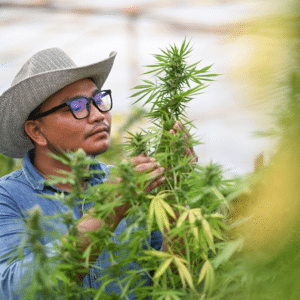
    To support and retain a diverse workforce, applicants and licensees should be creative in addressing barriers to advancement that may currently exist for individual employees, such as access to transportation, flexible work schedules, remote work opportunities, and educational requirements while being fair to all employees.

    Regardless of a business’s number of employees, we want to help provide some solutions to barriers faced by local employees or diverse populations before accepting employment. When interviewing a strong candidate for a position within an organization, the interviewer should ask them to suggest their thoughts on potential barriers to their advancement and offer creative solutions.

    Diversity Plan Best Practices

    • When creating a purpose statement, the applicant should codify the business’ culture through an organizational statement, or a mission statement that encompasses diversity and a culture of inclusion. The purpose statement should be one hundred (100) words or less.
    • The applicant should create individual DPs to fit the business’s needs. Applicants should not copy and paste these goals or from another Diversity Plan.
    • Cannabis operators should set goals that can be measured and accomplished, including a process for receiving feedback, and how they will communicate the goals to everyone in the organization.
    • Operations should commit to implementing and upholding the written policies as part of day-to-day business.
    • Your team should commit to making progress on the Diversity Plan’s goals each year.

    Workforce Diversity Hiring Plan

    A strategy for building a diverse workforce is required for a well-planned recruitment and employment plan that will help meet the organization’s goals of hiring employees from diverse populations. The following strategies and resources may help achieve success:

    • Review the number and type of positions expected for diverse populations when the facility opens.
    • Set diversity goals for employment to be objectively reasonable but list goals for each priority population. Seek not just to meet stated goals, but to exceed them.
    • Consider how far a job candidate may travel for a position (especially for new entry-level workers) and what the business can offer a great candidate to make the job offer, position, and career opportunity appealing and lucrative.
    • Provide transportation resources (ex. bikes, bus passes, etc.), employee equity opportunities, and/or flexible work schedules for diverse employees with family obligations.
    • Highlight business culture to demonstrate it understands the value of diversity and inclusion in the workplace throughout the recruitment, hiring, and staff promotional process.
    • Advertise employment opportunities internally, and in diverse publications, and social media outlets that target diverse populations to show this detailed level as part of the plan.
    • Encourage current employees to refer a friend who identifies as one of the diverse populations for employment.
    • Host recurring recruitment fairs, meetings, or tours with a focus on identified populations as well as all partnerships and locations should be specified and contacted in advance of being added to Diversity Plans.
    • To understand and assess the current diversity statistics of the host community and surrounding communities.
    • To understand the level of employment and unemployment in the local area, unemployment departments offer unemployment and employment statistics, diversity facts, and wage information for localities.

    Strategies, Programs & Goals

    Applicants and licensees should be authentic, realistic, and intentional when designing programs that will allow them to reach and surpass diversity goals. The Diversity Plan should be created to fit the organizational needs. Programs should be tailored to fit the business culture, geographic reach, and goals.

    Implementation, execution, and consistently tracking outcomes will support and create upward mobility within the industry. Examples of strategies and programs that could effectuate the goals of a Diversity Plan, impact diverse populations, and promote the inclusion of diverse populations in the cannabis industry may include, but are not limited to, the following:

    • Building training programs that will increase the number of individuals qualifying demographics in management and executive positions in the organization. Develop training programs that will increase internal promotions and cross-functional training for all positions.
    • Establishing relationships with specific organizations that are diversity-focused to provide diversity and inclusion training and networking for new employees throughout the year.
    • Creating a promotion process that employs equity principles for current employees consistent with federal and state employment laws.
    • Creating a communications plan that reinforces the culture of diversity, inclusion, and respect among employees, and awareness of the organization’s Diversity Plan.
    • Finding specific industry training and professional development opportunities and making access available to all employees.
    • Providing antiracism and unconscious bias training for all employees (specify the topics, the trainers, and their specific qualifications).
    • Developing a cross-functional, diversity-focused committee involving employees and management to meet regularly, focus on effective employee recruitment and retention efforts, review workplace programs, survey employees, and evaluate feedback for accountability. The plan can also specify who will serve on the committee.
    • Identifying how the organizations will create a workspace that is safe, accepting, respectful, welcoming, comfortable, and supportive place to work.
    • Establishing a diverse ownership and leadership team.
    • Offering educational scholarships to diverse populations interested in entrepreneurship or expanding their career opportunities in this new industry.
    • Providing tours of your facility to job training partners and community organizations to increase the diversity of job candidates.
    • Creating year-round programs for apprenticeships, mentorships, and paid internships for diverse public populations to create an accessible pathway into the industry.
    • Offering educational seminars and job training programs (in person or virtually) in areas largely populated by diverse individuals to help residents gain awareness about the cannabis industry, and the types of positions available, and how to access them.
    • Provide key details such as partners that will assist you and your program, intended topics for all seminars, frequency, and duration of these seminars, number of intended participants, recruitment efforts to target your audience, and the different mentorship opportunities for participants seeking a job.

    Scholarships & Business Social Equity Programs

    At Green CulturED, we’ve created our internal Social Equity Program (click here) to strongly support the importance of diversity and inclusion for creating a thriving cannabis industry. To contribute to this goal, we have developed two (2) very different Social Equity Programs, which aim to provide accessible eLearning solutions to both licensed businesses and underrepresented community members within the cannabis industry.

    Monthly Scholarship Lottery

    Monthly scholarships are awarded (click here) every month, where someone in our “cannabis-loving community” wins a Social Equity Scholarship by random selection to our Headquarters (or “HQ” for short) Learning Center: essentially an “all-access pass” to our course catalog.

    This tuition-free lottery scholarship awards “HQ” Learning Center access (MSRP: $997.00 / Annually) for one (1) year and it’s an eLearning solution we’ve made to develop future leaders in the cannabis industry where they’ll know enough to do “Train-the-Trainer” approach. But, the following is required to participate:

    • You MUST be part of any underrepresented group, different examples include BIPOC, LGBTQIA+, women-owned, military veterans, service-disabled, etc.
    • You have EVER been arrested or legally convicted of using, selling, possessing, manufacturing, or cultivating cannabis (ending prohibition is a victory too).


    Social Equity Business Program
    As part of this program (click here), our Green CulturED Social Equity members receive a “forever 50% discount” on all team certifications and courses. By offering this discount, we aim to alleviate the burdensome aspects of the industry and ensure that Social Equity businesses can focus on maintaining compliance, achieving operational growth, and fostering employee success.

    Our commitment to diversity and inclusion extends beyond just providing training opportunities. By providing a total eLearning solution that’s 100% made for the cannabis industry, we’re equipped to support diverse businesses that’ll tackle challenges, attract top talent, and cater to a wide range of their customers’ needs.

    Social sustainability aims to build inclusive, just, and resilient societies where citizens have a voice, governments are responsive, and economic opportunities are accessible to all. Through our Social Equity Programs, we’re doing our very best to promote inclusivity, empowering through knowledge, and fostering resilient learning-based communities, we’re contributing to the social sustainability of the cannabis industry.

    Let us know what you think.

  • Cannabis Trichomes Overview

    Cannabis Trichomes Overview

    If you have an interest in cannabis plants, you will probably have heard of trichomes. Those who buy cannabis buds regularly or grow their own realize that these are very important parts of the plant.

    Take a closer look at any flowering plant and you’ll see thousands of tiny crystalized dots covering the buds and the leaves (they often have stickiness and a pungent aroma).

    These are the trichomes and they’re pretty interesting. The great news is that our understanding of trichomes has grown in recent years, as any expert cannabis seed grower will be able to tell you. If you’re new to growing your own plants, this quick guide should give you the facts you need to harvest a good crop.

    What Are Trichomes?

    Trichomes are found in all plants. They’re very small appendages that form in flowers and on leaves. The name trichome comes from Greek which translates into “fine hairs” and that’s a pretty apt description of what they look like.

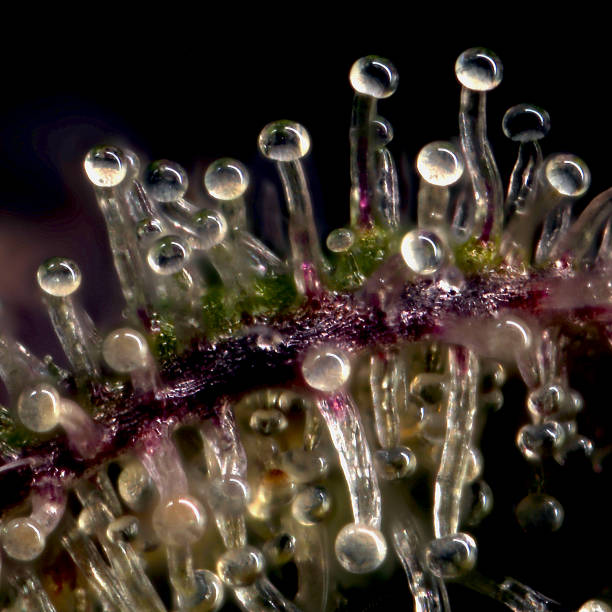
    If you have a microscope and can get to look at these features a little closer, however, you’ll see they have a distinctly mushroom shape with a slightly bulbous tip. Each tiny trichome on a cannabis plant, however, is a manufacturing powerhouse, producing a whole range of different cannabinoids, terpenes, and flavonoids.

    If you ever wondered what contributed most to the potency of your cannabis plant, look no further than the not-so-humble trichome. That’s why novice growers are always advised to take special care not to disturb the trichomes too much when they are harvesting.

    What is the Purpose of Trichomes?

    It depends on the plant. If you have a Venus flytrap in your home, you won’t be surprised to learn that the trichomes here are used to attract prey. Flowers and trichomes are also used to attract insects so that pollination can occur. When you walk into a room where there are cannabis plants growing, you will usually smell a distinctive aroma.

    This is in large produced by the trichomes which are also quite sticky in nature. When it comes to the cannabis plant, trichomes are a little more complicated. They are a defense mechanism. In the wild, cannabis can be attacked by a wide range of insects and the trichomes work to keep the harmful ones away.

    They protect the plant from environmental threats such as UV rays as well as problems such as mildew, dampness, frost, and mold. Trichomes have a bitter taste which also makes them unpalatable for many animals. This is all well and good but you’re probably more interested in the cannabis part of trichome development.

    This happens as soon as the plants start to flower and is truly a miracle of biology. Without it, you wouldn’t have Tetrahydrocannabinol (THC), Cannabidiol (CBD), flavonoids, and terpenes in such abundance.

    Trichome Types Found Within Cannabis

    As with anything to do with plants, there are a variety of different trichomes that all have different functions. When it comes to cannabis, however, there are three that seem to be more important and more prevalent. These are:

    • Capitate-Stalked Trichomes: These are the largest you’ll find on the plant and the ones that you are normally able to see without a microscope. They have a fairly large bulbous head that is full of cannabis goodness.
    • Capitate-Sessile Trichomes: These are smaller and produce cannabinoids but not in the same quantity. Think of them as the second-string team, quite good but not likely to win the championship or give you a great high.
    • Bulbous Trichomes: These are pretty small, less than a few microns across, and have little value because many are composed of just a few cells. They do produce cannabinoids but far, far less than the other two types.

    As you might expect, the bigger the trichome, the more oil, and cannabis resin you are going to get out of your plant. Squeeze these gently between your fingers and you will quickly feel that oily consistency and smell that pungent aroma.

    How Cannabis Plant Trichomes Develop

    When your cannabis plant reaches the flowering stage, the trichomes will start to appear and burst into life. They form in many places where the plant is above ground, including the flowers and leaves, and when in abundance, they look like tiny crystals.

    Changes start to happen inside the bulbous head of the trichomes while the beginnings of what we recognize as cannabis metabolize. Obviously, if you are trying to grow cannabis, you may think encouraging as many trichomes as possible is going to be important. Partly, trichome concentration is determined by genetics.

    Different plants have different concentrations. But another factor is also what happens in the environment – the amount of light, the weather conditions (if growing outside) and the nutrition are all going to have an effect. It’s time to issue one word of warning here: High concentrations of trichomes don’t always translate to more cannabinoids.

    It’s worth finding out more about the strain you are trying to grow and ways to maximize yield. There’s a happy medium with most cannabis seed strains that you need to find to get a good crop you can then dry and cure. Focusing on things like the quality of light can have an effect on cannabinoid production. It’s largely accepted if you can provide a wider spectrum of light you should encourage more “potent” trichomes.

    How to Get More Trichomes

    Most cannabis growing experts will tell you there is an optimum point when you need to harvest your crop. That’s when the trichomes are the most abundant at least in terms of cannabis content. Potency will grow once flowering starts but will begin to degrade at a certain point.

    A clear indication that you are reaching the maximum yield and should harvest, is when the trichomes start to change color and begin to become translucent, milky, and then amber in color. Much beyond this stage and you’ll begin to lose cannabis power. Another thing that cannabis growers need to understand is that trichomes are really, really fragile.

    Even when they are growing on the plant, you need to be careful how you handle them, especially if your crop requires training or control in some way. Things that can affect the trichomes and their cannabinoid content include agitation and touching, the temperature, the amount of light, and even the level of oxygen in your growing area.

    Don’t forget that time is also a factor. Don’t leave your harvest too long. Here are our top suggestions for maintaining your cannabis plant and getting the most from your harvest:

    • Greatly reduce the amount you touch or have contact with the plant – in other words, unless training is required, let it grow and don’t disturb it. Follow this simple rule: When in doubt, leave alone.
    • The moment that you will have a lot of contact with your cannabis plant is at harvest time. It can be tempting to wade in and cut away enthusiastically, especially if this is your first crop. Our advice is to do this slowly and gently, paying special attention to not disturbing the trichomes.
    • Another factor that you’ll need to take into account is the drying and curing process. Some experienced growers use this moment to extract valuable cannabinoids, terpenes, and flavonoids to protect them. That can include processes such as dry sifting as well as making concentrates.
    • A lot will depend on the kit and room you have. If you prefer traditional buds, don’t worry. If you are handling everything gently you may lose some trichomes but you’ll still end up with a great cured product at the end.
    • If you want to get involved in preserving trichomes as much as possible, it’s worth sitting down with a professional cannabis grower and picking their brains. The experience will obviously improve your growing technique, however, and that should be enough to produce a great crop, even from just one cannabis plant.
    • For those who are just starting to grow their own seeds, it’s worth learning as much as you can about trichomes. There’s a lot of information online and the more you understand the better you’ll be at cultivating and harvesting your crop.

    Trichomes are one of nature’s more amazing creations. They not only deliver pungent aromas and fight off insects but also provide a powerful punch of Cannabidiol (CBD) or Tetrahydrocannabinol (THC), terpenes, and flavonoids. All that while only being about the size of a pinhead.

    Latest Cannabis Trichome Research

    Packed with cannabinoid-rich resin, these tiny, hair-like structures are where the magic happens, although the truth is that we still have a lot to learn about their function and morphology. The fact that trichomes are the source of a cannabis plant’s cannabinoids, terpenes, and flavonoids is not new knowledge, although it wasn’t until 2019 that scientists finally managed to track the life cycle of these miniature structures.

    The study, which appeared in The Plant Journal, provided a detailed description of the three (3) different types of trichomes, known as bulbous, capitate sessile and capitate stalked trichomes. Of these, capitate stalked trichomes are the largest, and therefore contain the most resin.

    Via a series of stunning photographs, the study authors revealed that most of the capitate sessile trichomes on a cannabis plant actually develop into the larger capitate stalked variety during flowering. As a result, the proportion of stalked trichomes increases from 30 percent to 80 or 90 percent when a plant reaches maturity, allowing for a massive rise in cannabinoid synthesis.

    The researchers also discovered that capitate sessile trichomes always contain exactly eight cells in their secretory disc, while capitate stalked trichomes can contain twice this number. Since it is these cells that release cannabinoids, terpenes, and other useful compounds, it’s pretty clear to see why an increase in stalked trichomes is desirable.

    Perhaps even more intriguingly, results also indicated that the trichomes that coat cannabis leaves have the same cannabinoid profile as those on the buds, yet tend to have a slightly different terpene profile. This suggests that leaf trichomes are just as potent as bud trichomes, but may have a different taste. Exactly why this is the case remains unexplained.

    In a press release, study author Sam Livingstone revealed yet another trichomes mystery, explaining that “trichomes store the metabolites in their cell walls… And what’s really astounding is that such high levels of the product should be toxic to the cells, so we want to understand how they manage this.”

    Why Do Cannabis Plants Have Trichomes?

    Many plants have trichomes, although their function differs greatly from species to species. Some carnivorous plants, for example, are coated in sticky trichomes that help to catch insects. The primary role of cannabis trichomes, however, is protection.

    The cannabinoids, terpenes, and flavonoids within these trichomes repel certain insects and other creatures that would otherwise munch their way through a plant’s leaves, while also attracting larger bugs that prey on these pests. It’s also thought that cannabinoids act as a kind of sunblock, protecting plants from harmful ultraviolet radiation.

    As previously mentioned, the proportion of larger, capitate-stalked trichomes increases sharply during flowering. Prior to this, plants are mostly covered in tiny bulbous trichomes, which are essentially just blobs made up of a handful of cells, and capitate sessile trichomes, which look like tiny hairs. Both of these are too small to see with the naked eye.

    Capitate-stalked trichomes consist of a stalk with a round head on top, and it is in this bulb that the resin is stored. These trichomes are just about visible to the naked eye, especially when they totally cover the surface of a plant – although they are best observed through a magnifying glass or a microscope.

    How To Use Trichomes

    Once your plants have matured, they should be coated in thousands upon thousands of capitate-stalked trichomes, giving them a silvery sheen. If you’re planning on smoking your bud then you’ll need to handle them with extreme care during harvesting, as trichomes are easily damaged and readily fall off the plant to which they are attached.

    They also degrade when exposed to heat, light, or air, which is why it’s really important to dry and cure your cannabis properly. Doing so will massively increase its shelf life and ensure that the trichomes – and their precious contents – remain in good condition.

    Alternatively, many growers choose to remove the trichomes in order to produce concentrates and extracts like hash, wax, cannabis oils, or shatter. You’ll notice that these all sound like completely different products, although the truth is that they are all different forms of resin, which are essentially just trichomes that have been mushed together.

    The means by which trichomes are extracted and fused tends to determine the nature of the concentrate that is produced. Manually sifting the dried trichomes, for instance, will leave you with a glittering pile of kief which can be sprinkled into joints or added to cannabutter when making edibles.

    Kief can also be pressed to form hash, while hash oils are produced using hydrocarbon-based solvents like butane or propane in order to perform an extraction. Among the many benefits of cannabis concentrates is that they don’t degrade, and can therefore be stored indefinitely.

    How To Read Your Trichomes

    On top of everything else, trichomes also act as signposts that tell you exactly when your plants are ready to be harvested. They do this by changing color, although you’ll need to look very closely in order to read them correctly.

    For this reason, many growers observe their trichomes using a type of magnifying glass called a jeweler’s loupe, as this allows for a more accurate observation than the naked eye.

    As the cannabinoid concentration increases, terpenes turn from clear to cloudy, thereby indicating that a plant is ready to be harvested. If you wait a little longer, however, Tetrahydrocannabinol (THC) inside the terpenes will begin to be converted into Cannabinol (CBN), causing them to turn amber.

    Since CBN is associated with a strong couch-lock effect, many growers wait until about a quarter to a third of their trichomes has turned amber before harvesting. This ensures that their bud contains a decent mix of THC and CBN, providing a more rounded high with stronger body effects.

    Boosting Trichome Numbers

    The number of trichomes that cover a plant’s green surfaces will largely be determined by genetics, although environmental factors can also play a role.

    Since cannabis has evolved to develop trichomes as a form of protection from the sun’s rays, using a light source that contains the full-color spectrum is likely to result in a greater abundance of trichomes.

    Modern Light-Emitting Diode (LED) arrays are therefore favored by many growers, as these emit a more complete range of wavelengths than High-Pressure Sodium (HPS) lights.

    It’s worth noting, however, that more trichomes won’t always increase the strength of your cannabis, and that many interlocking factors work together to determine a plant’s total cannabinoid yield.

    Let us know what you think.

  • Dispensary Technician Role & Medical Advice

    Dispensary Technician Role & Medical Advice

    The cannabis industry is one of the most dynamic and rewarding places to be at this moment in history. As a member of a licensed cannabis retailer, you are one of the front-line faces of this new industry, and at times, the first-person customers will encounter.

    You represent the licensed cannabis retailer’s values and should aim to excel in providing excellent service, knowing your licensed cannabis retailer’s product selection, and sharing your knowledge about how to use products wisely and safely.

    You are responsible for a variety of customer-oriented tasks that also help support the day-to-day licensed cannabis retailer operations: you will interface with clients, promote sales and specials, and help manage and maintain the licensed cannabis retailer inventory.

    A Dispensary Technician must be knowledgeable about the medical benefits of cannabis, provide product and industry knowledge, and help people find products to meet their personal needs. It is essential to have excellent customer service skills and a passion for learning about cannabis.

    Primarily, you will be providing quality customer service to all customers by listening to and understanding their needs. You will never provide medical advice, but you will share relevant information to help individuals make informed decisions about their purchases.

    In each interaction with a customer, you turn these values into action, this training contains general information about cannabis and best practices for handling products.


    Do Not Give Medical Advice

    The law is very clear that you must not act as a medical provider by providing medical recommendations. This means there are certain things that you can and cannot say, get very familiar with the following. You can do the following for customers:

    • Assist with product selection.
    • Share anecdotes and the experience of other customers.
    • Describe the risks and benefits of administration methods and provide instruction on proper use.
    • Describe strains, cannabinoids, and terpene profiles.
    • Assist in reading laboratory tests.
    • Explain how to calculate dosages and read product labels.
    • Advise on safe handling and storage of products.

    Here is what you cannot do:

    • Diagnose any medical conditions.
    • Provide medical advice including making medical claims.
    • Guarantee how something will affect the body or mood.
    • Suggest modifying or eliminating any treatment in place of medical cannabis.
    • Open and use actual products when demonstrating use.


    Use Proper Non-Medical Language

    What You Can Say:

    • “In my experience…”
    • “People have said…”
    • “Anecdotally I hear…”

    What You Cannot Say:

    • “I recommend…”
    • “Buy this…”
    • “This really works, it is the best for…”

    If you do give medical advice, even if inadvertently, you will come perilously close to practicing medicine without a license, which is a criminal offense. This is another reason that training is valuable: it protects you from avoidable problems.

    Customer Service Best Practices

    • Know What You Sell. Know your products and what’s in stock.
    • Be Clean. Excellent hygiene is essential. Wash your hands, especially before and after handling cannabis products, or wear gloves. Clean your nails. Be aware that your personal odor (perfumes and colognes included) may affect the aroma of the cannabis.
    • Be Courteous, Efficient, and Friendly. Refrain from using a condescending tone, especially with inexperienced users. These people took a leap of faith walking into your licensed cannabis retailer and a negative experience with a rude dispensary technician might turn them off from returning.
    • Don’t Be Stoned. Duh! Even if you use cannabis and your employer allows consumption, be alert and fully present when speaking to customers.
    • Respect! Respect your customers, your coworkers, and your products.
    • Keep Learning!

    This should help you to understand the very complex, legal nature of medical cannabis so it is merely an introduction, but rest assured that being truly knowledgeable will go a long way toward legitimizing you as a trustworthy source among new people and earning your respect from others in the cannabis industry.


    Essential Duties and Responsibilities

    • Comply with government laws and regulations as they relate to the cannabis industry.
    • Listen to and work with customers to meet their specific needs.
    • Describe strains, cannabinoids, and their different effects.
    • Offer customer service that exceeds customers’ expectations and inspires confidence.
    • Drive sales and ensure a positive customer experience.
    • Dispensary Technicians (aka Budtenders) need to be familiar with all stocked products.
    • Maintain inventory tracking procedures and seed-to-sale tracking system.
    • Ensure that the licensed cannabis retailer area is properly stocked and well maintained.
    • Understand how to handle and store cannabis to ensure safety and hygiene.
    • Maintain a tidy, safe, and professional work environment.
    • Promote a positive work environment as a team member.
    • Support other dispensary projects as assigned.

    Your skills and abilities as a dispensary technician should include:

    • Exceptional verbal communication skills.
    • Depth of knowledge regarding medical cannabis and applications.
    • Computer literacy; experience with Point-of-Sale (or POS) software and social media a plus.
    • Organization and supply management skills to support inventory management.
    • Strong work ethic and attention to detail.
    • Fun attitude and a team-player mentality.
    • Ability to cultivate long-term relationships.
    • Ability to creatively deal with problems and resolve them in a professional manner.


    Talking to Inexperienced Customers

    With first-time customers, begin with the following basic questions:
    • What effect are you looking for?
    • Are you willing to try Tetrahydrocannabinol (or THC), which may cause you some psycho-activity?
    • Are you willing to inhale even if in a vaporizer and not in a pipe or a joint?
    • Are you willing to allow yourself 60 – 90 days to find the optimum delivery system and dose for you?
    • Then guide them to define their condition. Are they seeking relief from pain, nausea, or headaches? Is the condition chronic or acute? Does it happen concerning a particular event or is it constant?

    Some people are more articulate than others, so a little gentle probing will help you understand the condition better. At the same time, be aware that a person might not want to discuss medical ailments in detail. Don’t push them; instead, ask what they’re hoping to accomplish with using medical cannabis and base your recommendations on that.

    In the same vein, not all customers want to discuss conditions publicly at the licensed cannabis retailer counter with other patrons behind them in line. Offer to go to a quiet space to talk about such matters. It will go a long way toward establishing trust and customer loyalty.

    Let us know what you think.

  • Military Veteran Cannabis Education Access

    Military Veteran Cannabis Education Access

    There’s no industry more resilient and agile than cannabis which makes it fitting for military veterans worldwide as the legalization continues to spread globally. We continue to build the “total eLearning solution” that’s needed for the industry, but we recognize the support required for veterans to learn how to use cannabis medicinally or guide those looking to work professionally.

    We’re incredibly proud of what we have accomplished with our Industry Impact Program (click here to read more) to support military veterans from around the world. As a training organization representing the best cannabis education in the world, we’ve been excited about what we achieved as an industry as a whole. We continued to break barriers, defy stereotypes, rewrite the rules, and welcome everyone, no matter their background, into shaping the present and future of the cannabis industry.

    We’re proud to be an industry for everyone and proud to be the resource for military veterans who are proud to work in cannabis. And we’re only just getting started since we made it our mission to become the “most accredited” “Authorized Cannabis Training Provider” (aka called “ATP”) and by the end of this year we’ll be recognized wherever there is cannabis-specific compliance training, we’re becoming a place where everyone from “casual learners” to “industry pros” and military veterans alike can meet in community-based learning.

    Creating a community that can heal nations’ broken approach to cannabis and having a veteran community is helping generate hundreds of conversations and untold levels of engagement around topics ranging from branding/marketing to government rules and local regulations.

    The United States Military Veterans

    America’s prolonged military conflicts over the years have exposed an aging and ineffective healthcare system, ill-prepared for the type and severity of the latest round of war-related injuries. Upwards of twenty percent (20%) of the 2.7 million Iraq and Afghanistan veterans will experience Post-Traumatic Stress Disorder (PTSD) or suffer from depression, according to the U.S. Department of Veterans Affairs (VA).

    The VA is not equipped to treat the complexity of every veteran’s mental and physical wounds effectively or comprehensively, leaving former service members to cope with limited and inadequate treatment options. Veterans are often placated with “cocktails” of prescription drugs, including powerful and addictive opiates. The current arrangement is not meeting veterans’ healthcare needs.

    Medical cannabis is a proven, safe, and common-sense personal health management option, free of the devastating side effects of opiate-based drugs. It is recognized by experts such as the American College of Physicians (ACP), the American Public Health Association (APHA), and the American Nurses Association (ANA) as a safer alternative to many federally legal treatments. Medicinal cannabis is an incredibly effective tool for veterans challenged with managing the symptoms of their wounds.

    We are dedicated to improving all military veterans’ quality of life through the opportunity to learn about cannabis. We believe medical cannabis saves lives and that veterans deserve full legal access. That is why Green CulturED is working to change the conversation about the life-saving health treatment value of cannabis by providing access to military veteran cannabis learning programs.

    Also, we’re educating policymakers and the public about the value of cannabis to veterans to eliminate the stigma and supporting veterans around the world with the resources they need to understand the value of medical cannabis and know their rights while arming them with the tools they need to encourage policy change.

    Let us know what you think.

  • Massachusetts Responsible Vendor Training

    Massachusetts Responsible Vendor Training

    As a state with both legal medical and recreational marijuana, Massachusetts is leading the way with new compliance practices.

    [Check Out Our Cannabis Control Commission (CCC) Approved “Responsible Vendor” Compliance Training]

    On July 17, 2019 (and effective that day), the Massachusetts Cannabis Control Commission announced it would require all professionals in roles that directly handle or sell marijuana to complete the “Responsible Vendor” training.

    More regulations impacting home delivery and places of consumption will be filed in Massachusetts in the fall of 2019, making it important for those in the cannabis industry to keep up with training trends and requirements.

    Before looking more closely at Massachusetts’s “Responsible Vendor” training program requirement, let’s review the legal policies regarding medical and recreational marijuana that make this newly mandated training so important.

    [See Our Cannabis Control Commission (CCC) Approved “Responsible Vendor” Training]


    Massachusetts Medical & Recreational Marijuana Policy

    Medical cannabis was legalized in 2012, and Massachusetts implemented clear policies on the list of qualifying conditions, establishing and demonstrating a bona fide relationship with a physician, the thorough assessment process and registration with Massachusetts’ Medical Use of Marijuana Program.

    Patients can transport as much as their physician prescribes for a 60-day period; the maximum amount is ten (10) ounces, although physicians can recommend a higher amount depending on a patient’s needs.

    If obtaining cannabis products from a dispensary creates hardship in terms of transportation, cost, or other obstacles, a physician can justify a higher prescription of cannabis for the 60-day period. Patients and caregivers can grow up to six (6) plants.

    Recreational cannabis was legalized in 2016 for adults over the age of 21. An adult can possess one ounce and up to five (5) grams can be cannabis concentrate. At home, you can have ten (10) ounces and any cannabis produced by plants on your property. Adults can grow up to six (6) plants, but only three (3) can be flowering at once.

    The recreational market went into effect on November 20, 2018, and the state is experiencing increased growth of recreational dispensaries. So, the need for “Responsible Vendor” training is growing and will help professionals in the cannabis industry to prepare employees for serving the public in these establishments.

    [See Our Cannabis Control Commission (CCC) Approved “Responsible Vendor” Training]

    Responsible Vendor Training Requirements

    Many states are in the early stages of implementing “Responsible Vendor” training, whereas some states have implemented sophisticated training policies and systems in place such as Alaska’s Marijuana Handler Permit Training.
    Several research studies of responsible vendor training programs point to the effectiveness of this training and it indicated employees found the training user-friendly and satisfying.

    As the industry seeks more formalization and customization of training materials, such programs help professionalize the cannabis industry workforce as well as create new jobs for those who want to work on the compliance side of the cannabis industry.

    Business owners feel their employees are more knowledgeable and better equipped to serve customers. Massachusetts is one of the first states to mandate “Responsible Vendor” training for all employees in roles that involve “touching the plant.”

    The Cannabis Control Commission, Massachusetts’ cannabis regulatory agency, will oversee this mandate and ensure companies are complying with this requirement. Cannabis industry workers must take this minimum two (2) hour “Responsible Vendor” training program and pass the certification exam with a score of 70% or higher.

    Marijuana establishment staff will be required to complete at least two (2) hours of cannabis “Responsible Vendor” training as part of the State of Massachusetts’ annual, eight (8) hour general training minimum required of agents who are registered to operate in the adult-use industry.

    All owners, managers, and employees that are involved in the handling and sale of marijuana will be required to attend training through a certified provider within 90 days of hire. The certification is good for one (1) year, and after this point, employees must recertify annually.

    Workers in ancillary cannabis businesses can opt to take the training, although it is not required for those not directly handling or selling marijuana.  You can click through to read more specific details about the requirements of the MA’s Cannabis Control Commission’s 935 CMR 500.105(2)(b) Responsible Vendor Program.

    This compliance training can be offered online or live, and it covers from seed to sale tracking compliance, preventing sales of cannabis products to minors, knowledge of state laws and local rules, and a general understanding of the effects of cannabis on wellness and the human body.

    To meet industry needs created by this new compliance policy, Massachusetts cannabis businesses will be hiring trainers to deliver Responsible Vendor Training. These Responsible Vendor trainers may not be affiliated with applicants or licensees as well so there is a legal requirement for there to be a distinction between them.

    [See Our Cannabis Control Commission (CCC) Approved “Responsible Vendor” Training]

    Let us know what you think.

  • Washington State Medical Cannabis Consultant

    Washington State Medical Cannabis Consultant

    In 1998, Washington Initiative 692 approved medical cannabis use for patients with terminal and debilitating conditions then, on December 6, 2012, it became the first state to make recreational cannabis use legal (click here for more Washington state history).

    As a state with more experience with cannabis policy implementation, Washington has a more structured approach to Responsible Vendor Training (RVT) than programs that have been implemented in many states (Colorado RVT, Mass Basic/Advanced RVT, Illinois RVT, West Virginia RVT, Alaska “Handler Permit”, etc.).

    Each dispensary and retail store must have a medical cannabis consultant on staff who has completed the twenty (20) hour Consultant Certification Program approved by the Department of Health. Below is an overview of medical and recreational cannabis policies followed by a description of the Washington State Medical Cannabis Consultant Certification Program.


    Washington State Medical Cannabis Patients

    The Cannabis Patient Protection Act went into effect July 1, 2016, thus allowing patients with terminal or debilitating conditions two (2) main options:

    1. Patients can obtain a medical authorization form that allows them to home-grow.
    2. They can pursue recognition as a cardholder to buy cannabis and cannabis-infused products from state-licensed dispensaries.

    The following list includes some, but not all, of the qualifying conditions for which a healthcare practitioner (licensed in the state of Washington) can provide a medical endorsement:

    • Cancer
    • Human Immunodeficiency Virus (HIV)
    • Traumatic Brain Injury (TBI)
    • Multiple Sclerosis (MS)
    • Post-Traumatic Stress Disorder (PTSD)
    • Epilepsy (Other Seizure Disorder)
    • Spasticity Disorders
    • Intractable Pain (Not Alleviated by Conventional Medical Treatments/Medications)
    • Glaucoma
    • Crohn’s Disease
    • Hepatitis-C
    • Anorexia Nervosa
    • Chronic Renal Failure (Requiring Hemodialysis)

    The first step is for the patient to meet with a healthcare professional who will provide a medical authorization form which the patient keeps so this step alone allows the patient to grow four (4) plants at home. If the patient would like to access medical cannabis from a dispensary, they must bring the authorization form to a dispensary.

    Qualified patients and designated providers (a caregiver, or in the case of a minor patient, a parent, or guardian) follow a similar procedure and also submit their forms to a dispensary. This information is entered into the state medical cannabis database by a certified medical cannabis consultant who works at the dispensary and additional information can be found in the Washington Department of Health (DOH).

    After getting the medical authorization from a doctor, the medical cannabis consultant enters the information into the recognized cardholder database, the patient or designated provider may legally purchase during a dispensary visit any combination of the following items:

    • Three (3) ounces (oz) of usable cannabis
    • Forty-Eight (48) ounces (oz) of cannabis-infused product in solid form
    • Two-Hundred Sixteen (216) ounces (oz) of cannabis-infused product in liquid form
    • Twenty-One (21) grams (g) of cannabis concentrate

    Recognized medical cannabis cardholders may also grow six (6) plants for personal use and possess up to eight (8) ounces (oz) of usable cannabis produced from their plants. If the patient’s healthcare practitioner determines the patient requires more than exceeds the state limits, they may authorize up to fifteen (15) plants and possession of sixteen (16) ounces (oz) of usable cannabis produced from plants.

    If a qualified patient with a valid medical endorsement form chooses not to be entered into the database, they may purchase only the amounts allowed for non-patients who are ages twenty-one (21) and older:

    • One (1) ounce (oz) of usable cannabis
    • Sixteen (16) ounces (oz) of cannabis-infused products
    • Seventy-Two (72) ounces (oz) in liquid form
    • Seven (7) grams (g) of cannabis concentrates

    These patients are limited to growing four (4) plants at home and six (6) ounces (oz) of usable cannabis. One disadvantage for those who opt not to be entered into the state database is they have only an affirmative defense to criminal prosecution (click here for more information).

    Recreational Cannabis Legalization

    2012 Washington Initiative 502 legalized recreational for adults ages twenty-one (21) and older to possess and use cannabis, they can purchase up to:

    • One (1) ounce (oz) of usable cannabis (harvested flower)
    • Sixteen (16) ounces (oz) of cannabis-infused edibles in solid form
    • Seventy-Two (72) ounces (oz) in liquid form
    • Seven (7) grams (g) of cannabis concentrates

    Recreational cannabis must be purchased from a cannabis retail store and only medical cannabis patients with an authorization form are allowed to grow, so the only legal way to obtain cannabis for recreational use is through a cannabis retail store.


    Medical Cannabis Consultant Certification

    bud-tender trainingWashington State Department of Health (DOH) manages the medical cannabis database system and credentialing of medical cannabis consultants who work in state medically endorsed cannabis stores.

    All dispensaries and cannabis retail stores must have at least one (1) Medical Cannabis Consultant who’s completed this type of responsible vendor program on staff that’s certified to serve the needs of medical patients.

    These twenty (20) hour Washington Medical Cannabis Consultant Certification covers Washington State cannabis laws, qualifying conditions, and their symptoms, positive and negative effects of cannabinoids, products that may be useful for specific conditions, potential contraindications, and the risks and benefits of various routes of administration. It also covers the safe handling of cannabis products, patient privacy rights, and strategies to reduce access by minors.

    Learners must pass the exam with a score of seventy percent (70%) to be certified, and certification must be renewed annually. Any future additional training programs must be approved by the Department of Health (DOH). While some states do not have specific requirements on the individual trainers’ credentials, Washington requires that trainers have education in nursing, agriculture, botany, or horticulture, or a license to practice law or health care professional (click here for more information).

    The Washington State Liquor and Cannabis Board (WSLC) oversees licensing and regulation of cannabis production, processing, and sales. WSLC enforces policies and procedures that impact dispensaries and retail stores, but they are not directly involved in the training of dispensary staff.

    Let us know what you think.

  • Dispensary Workplace Staff Augmentation

    Dispensary Workplace Staff Augmentation

    You’ve got work to get done and you’ve decided to bring on temporary talent to augment your dispensary team. What are the cannabis dispensary staff augmentation best practices you should heed?

    Here are a few dispensary staff augmentation best practices we’ve cherry-picked from our own experience.

    1. Find Your Right Staff Augmentation Vendor

    It’s important to think of your vendor as a partner and an extension of your cannabis business team so they should intimately know the work you do as well as the nuances of the talent you seek. Your vendor will represent you and your cannabis dispensary brand, so ask yourself if you feel good about who they are and if they have a culture with which you feel aligned. This is where it all starts, and a great vendor will be an important ally for you now and into the future.


    2. Get Clear About Your Talent Needs

    Of all the dispensary staff augmentation best practices, this may be the most vital. Plan to spend time upfront to carefully define the specific knowledge, skills, and experience the talent needs to possess. This will force you to get very clear about what you need the talent to do and accomplish.

    If you are using a staff augmentation vendor and they are doing their job, they will use this information to work with you to create an accurate and targeted job description. In all cases, don’t skip or minimize this step. If you do, the consequence will be a lot of expended energy focused in the wrong direction.


    3. Decide Up Front If You Might Want To Hire The Talent

    Bringing on a temporary cannabis dispensary talent is a great way to “try before you buy“. But not every individual who works as a temporary dispensary worker desires to be hired full-time. If you think you might want to hire the talent if he or she turns out to be a great fit for your dispensary team, let your vendor know upfront.

    Your vendor will use this knowledge as a filter to select people, if possible, who are open to transitioning to full-time if it works out for them as well. Often, clients assume they will automatically have that option, but it’s not always the case, some individuals just prefer to work in temporary roles as it fits their lifestyle and working preferences.

    4. Be Responsive & Prepared To Actively Participate

    Good talent, the ones you want, have many options. Responding quickly – reviewing selected résumés and then interviewing cannabis industry talent you are interested in – is essential.

    Delay and you might lose the talent, who will have alternatives and may decide to take another position. This cannabis dispensary staff augmentation best practice is perhaps the one that causes us the most pain when not followed!

    We finally have that perfect talent, and then our client takes too long and the talent moves on.


    5. Orient Your Talent

    We know some of our internal dispensary positions will take many months to fully provide cannabis industry training, as new hires gain tribal knowledge and context. But when you’re hiring temporary talent, you need them to be up and operating quickly.

    You need to be prepared to orient them to the basics of IT and security awareness and all the other important compliance topics, but in addition, you need to onboard them on the cannabis dispensary role they need to play, their responsibilities and deliverables, and the other team members with whom them needs to interact.

    Truncated as it may be, you still need to orient them appropriately for them to get the job done. So, be prepared for this onboarding stage or you’ll be frustrated, as will the talent.


    6. Keep Your Staff Augmentation Vendor Involved

    Ensuring success is everyone’s cannabis dispensary job. And to help people be successful, nurturing, coaching, or mentoring – and even course-correcting – may be needed.

    So, keep your vendor involved in an ongoing manner. Establish regular check-ins with the talent and your vendor. Your vendor should be proactively making sure this happens.

    Communicate often and early. This whole enterprise is not about software or a commodity, but about people, so the best path to success is when everyone is communicating and working together to ensure success. Success translates into a win for you, for the talent, and for your vendor, so shared interest should motivate all parties to stay involved.


    7. Prepare For Knowledge Transfer

    Unless you decide to hire the talent, your time with them will be temporary. Build in the time and process to ensure the talent’s knowledge is transferred and you have what you need to sustain or appropriately close out their efforts. Don’t make this a last-minute event, create processes like cannabis industry Standard Operating Procedures (or SOPs).

    During the engagement, you should ensure that backups of all information and work products are happening, but that is only foundational. Make sure the talent has the time and mandate to offload all information of value that is needed to ensure a smooth transition when she walks out the door.

    Using temporary talent is an important part of talent management and a great tool to get work done without adding full-time employees to your cannabis dispensary HR roster. And, it gives you a lot of flexibility to bring on the specialized talent you need for a specific project.

    Let us know what you think.

Do NOT Grow Another Plant Until You've Enrolled Into This! 💯
Cannabis Horticulture
A Carefully Curated Cultivation "Crash Course" On Everything You Need To Crank Out High-Yielding, "Cannabis-Cup Winner" Flowers That'll Generate HUGE Crops All-Year Long
Crafting Cannabis-Infused Edibles Takes MORE Than Ingredients... 🍽️
Edible Cannabis Products (100% FREE Training)
Enthusiasts Face Challenges Navigating An Ever-Expanding Array Of Cannabis Products & Delivery Methods From "Raw Flower" Smoothies To Infused-Edibles, Cannabinoid-Based Drinks + MORE.