Category: What’s New

  • Using Medical Marijuana As #Medicine

    Using Medical Marijuana As #Medicine

    Medical marijuana (cannabis, hashish, etc.) has a long history of use as medicine, with historical evidence dating back to 2,737 BC.

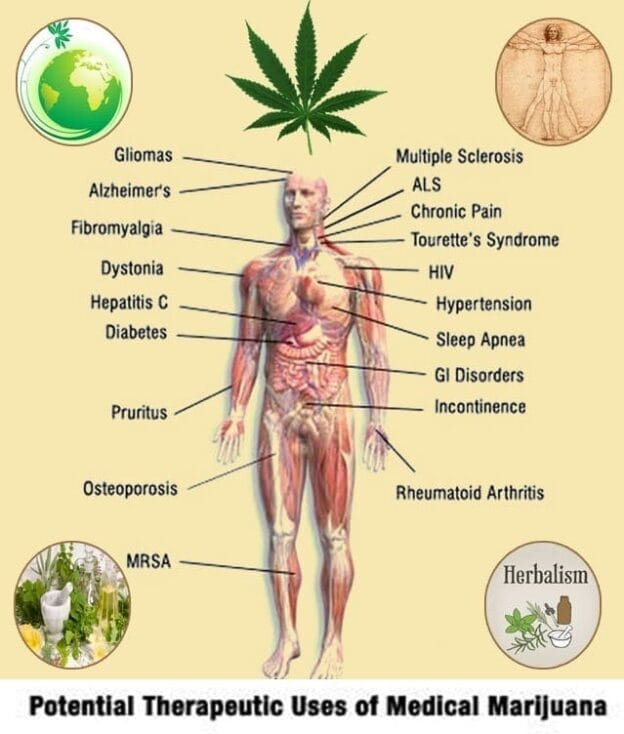
    Cannabis has been used medicinally and recreationally in cultures spanning the globe since the beginning of time. Its medical uses are ever expanding and are used for:

    • Cancer
    • Glaucoma
    • HIV & AIDS
    • Cachexia
    • Persistent muscle spasms
    • Seizures
    • Severe nausea
    • Severe pain
    • Chronic pain
    • Arthritis
    • Migraine
    • Seizures
    • Epilepsy
    • Alzheimer’s disease
    • Crohn’s disease
    • Multiple sclerosis
    • Spasticity disorder
    • Vomiting
    • Cachexia
    • Hepatitis C
    • Anorexia
    • Huntington’s disease
    • Digestive diseases
    • Appetite stimulation
    • Hemorrhoids
    • Depression
    • Bipolar disorder
    • With more benefits continuing to be found…


    What Has Marijuana Research Shown???

    medical marijuana

    Research shows that marijuana can prevent the death of injured neurons within the brain. Known to alleviate anxiety and depression, clinical trials have shown that CBD in marijuana has antipsychotic effects, which helps reduces the anxiety that can come from THC in marijuana.

    This is a living example of synergetic multi-tasking within herbs. Despite all of marijuana’s medical benefits, in the United States, the Drug Enforcement Administration (DEA) classifies marijuana as a prohibited Schedule I drug, which means that there is “no currently accepted medical use” of marijuana.

    However, tetrahydrocannabinol (THC), the primary active ingredient in marijuana, is classified as a synthetic Schedule III drug (Dronabinol, Marinol®). Even though the DEA’s hypocritical classification is rejected by American citizens.

    There are currently 23 (and growing) states in the US, that allow patients to possess (and grow in most cases) marijuana for medical use, depending upon a physician’s recommendation. Nonetheless, possession of marijuana remains illegal under Federal law.

    Due to marijuana remaining illegal under US Federal law, marijuana’s main source remains mostly within the “black market”.


    The Medical Marijuana States

    medical marijuana

    If you are lucky enough to live in a state where you can obtain a doctor’s recommendation for medical marijuana, you have numerous places where you can purchase medical marijuana legally under state law.

    You may be asking, “How is marijuana medicine”?

    Since marijuana is a herb, it naturally goes against current medical science. The DEA and FDA criticize the use of herbs as medicines, saying that plants contain a variable mix of compounds and cannot provide a precisely defined drug effect.

    Medical marijuana is at odds with current medical science. Herbalists applaud the polypharmacy of medical marijuana and claim two advantages over single-ingredient drugs:

    1. The many constituents in herbs may work by multiple mechanisms to improve therapeutic activity cumulatively or synergistically.
    2. Herbs may also contain compounds that mitigate the side effects of their predominant active ingredients.

    First and foremost on marijuana’s list of ingredients is Tetrahydrocannabinol (THC). THC works in humans by mimicking an endogenous compound that our bodies make, called anandamide, and THC binds to anandamide’s receptors, called cannabinoid (CB) receptors.

    When THC or anandamide activate CB receptors, the CB receptors activate G-Proteins while research has shown that different cannabinoids preferentially activate different subtypes of G-proteins. This may explain why different strains of marijuana produce different highs.

    Thanks to its mix of ingredients, marijuana causes fewer psychological side effects than pure, synthetic THC (Marinol). With help from all parts of the scientific community studying more of the elemental compounds within marijuana, marijuana is used as medicine and is now becoming more accepted around the world.

    Effects of Indica Marijuana (lower THC, higher in CBN/CBD)

    Indica medical marijuana strains generally have more physical than cerebral (however, the relief of physical symptoms can have a positive psychological effect).

    • Sedation, pain relief, and relaxation
    • Best for later in the day and bedtime
    • Perhaps better for anxiety than depression

    Benefits of Indica Marijuana (lower THC, higher in CBN/CBD)

    • Reduces pain
    • Muscle Relaxant
    • Relieves spasms, reduces seizures
    • Reduces inflammation
    • Aids sleep
    • Reduces anxiety and stress
    • Reduces nausea
    • Stimulates appetite
    • Relieves headaches and migraines
    • Reduces intra-ocular pressure
    • Bronchio-dilator and expectorant

    Effects of Sativa Marijuana (High THC, low CBN/CBD)

    Indica strains generally have more of a cerebral effect:

    • More stimulating and uplifting
    • Energizing and thought-provoking
    • Increases focus and creativity
    • Supports immune system
    • Best for use in the daytime

    Benefits of Sativa Marijuana (High THC, low CBN/CBD)

    • Reduces nausea
    • Stimulates appetite
    • Fights depression
    • Positive, uplifting, cerebral effect
    • Energizes and stimulates
    • Promotes creativity
    • Relieves headaches and migraines
    • Relaxes muscles
    • Relieves pain
    • Acts as an expectorant

    Selecting the Best Marijuana Strain and Dosage

    medical marijuana

    The efficacy of medical marijuana is directly related to strain selection. Care should be taken when selecting strains that will benefit you while potency and dosage will vary with different strains, conditions, and individuals.

    The idea is to consume as little as possible of the most appropriately potent medical marijuana strains available to reduce costs and potential side effects.

    Hybrid/Crosses Of Marijuana Strains

    Most cannabis seeds and medicine available today are hybrids – crosses of Sativa and Indica varieties. This allows cultivators to enjoy and select for various desired characteristics of growth, appearance, and effect so the genetics and hence the effects of one lineage will usually be dominant.

    For example, Indica-dominant crosses are for pain relief, with the Sativa component helping with energy and activity levels. Sativa-dominant crosses are good for stimulating appetite, with the Indica component helping to reduce body pain and increase relaxation.

    Cannabis has been proven helpful in relieving the symptoms of thousands of conditions, including:

    • Pain from various ailments and injuries
    • Arthritis, bursitis
    • Migraines
    • Multiple sclerosis
    • Hepatitis C
    • Fibromyalgia
    • Nausea and low appetite
    • HIV/AIDS
    • Cancer, Chemotherapy
    • Crohn’s Disease
    • Muscular Dystrophy
    • Epilepsy, Parkinson’s
    • Asthma, Emphysema
    • Glaucoma and other intra-ocular disorders
    • Skin diseases such as Pruritis and Psoriasis
    • Back pain and muscle spasms
    • Paraplegia and Quadriplegia
    • Insomnia and other sleep disorders
    • Studies have found that THC promotes the death of brain cancer cells and shrinks tumors

    Let us know what you think.

  • Medical Marijuana Chemistry

    Medical Marijuana Chemistry

    cannabis chemistryCannabis is the only plant in the world that produces chemicals called cannabinoids. There are approximately 110+ identified cannabinoids that have been confirmed to exist and each of an infinite number of strains of marijuana chemistry has its cannabinoid profile.

    The active cannabinoids each have unique physiological effects and many combinations appear to have synergistic and antagonistic effects. Six (6) most prominent cannabinoids are:

    • THC-9
    • THC-8
    • Cannabidiol (CBD)
    • Cannabinol (CBN)
    • Tetrahydrocannabivarin (THCV)
    • Cannabichromene (CBC)

    cannabis collegeTHC-9 is the main ingredient in marijuana chemistry that gets you high and this compound is called trans-hydrocannabinol. No matter what type of cannabis, whether it is industrial hemp or medical marijuana chemistry contains some amount of THC-9.

    Euphoric, stimulant, muscle relaxant, anti-epileptic, anti-emetic, anti-inflammatory, appetite-stimulating, broncho-dilating, hypotensive, anti-depressant, and analgesic effects come from THC-9. THC-8 is another type of cannabinoid that is found in very low concentrations of cannabis.

    This compound gets you high as well, though there is much less within cannabis and both THC-9 and THC-8 are often referred to in general as THC. Cannabidiol or CBD shows itself in virtually all types of marijuana chemistry and the amounts vary from plant to plant.

    Cannabidiol ranges from very small amounts to as much as 95 percent of all cannabinoids that are present within the marijuana chemistry.

    Cannabidiol has a sedative effect that is present within the high you attain using marijuana and when combined with THC, tends to postpone or delay the beginning effects of the high.

    The positive side is that cannabidiol increases the high, lasting up to twice the time as without it and it relieves convulsion, inflammation, anxiety, and nausea, and inhibits cancer cell growth.

    Recent studies have shown cannabidiol to be as effective as atypical antipsychotics in treating schizophrenia. In November 2007 it was reported that CBD reduces the growth of aggressive human breast cancer cells in vitro and reduces their invasiveness.

    It thus represents the first non-toxic exogenous agent that can lead to the down-regulation of tumor aggressiveness. It is also a neuroprotective antioxidant. It also lessens the psychoactive effects of THC have sedative and analgesic effects as well as cannabinol or CBN is produced when THC oxidizes or degrades.

    Only very small amounts of CBN exist in the fresh bud so when it is stored and cured, the levels of cannabinol are increased, from the conversion from THC in its marijuana chemistry. A mildly psychoactive degradation of THC, its primary effects are as an anti-epileptic, and to lower intraocular pressure.

    High levels of Cannabinol make the user disoriented and often sleepy or groggy, often known as “stupefied”.

    Tetrahydrocannabivarin Cannabinoid

    marijuana analysis and chemistryTetrahydrocannabivarin (THCV, THV), also known as tetrahydrocannabivarol, is the shorter three-carbon propyl that replaces the five-carbon pentyl chain in marijuana chemistry.

    This compound is what makes up the very essence or fragrance in the smell of marijuana and with warmer temperatures, the smell becomes more pungent.

    Tetrahydrocannabivarin comes from potent plants coming from Africa and parts of Asia and it is a non-psychoactive cannabinoid found naturally in Cannabis sativa.

    It is an analog of tetrahydrocannabinol (THC) with the side chain shortened by two CH2 groups. THCV can be used as a marker compound to differentiate between the consumption of hemp products and synthetic THC (e.g., Marinol).

    THCV is found in the largest quantities in Cannabis sativa subspecies sativa strains. Some varieties that produce propyl cannabinoids in significant amounts, over five percent of total cannabinoids, have been found in plants from South Africa, Nigeria, Afghanistan, India, Pakistan, and Nepal with THCV as high as 53.69% of total cannabinoids.

    They usually have moderate to high levels of both THC and Cannabidiol (CBD) and hence have a complex cannabinoid marijuana chemistry representing some of the world’s most exotic cannabis varieties.

    It is a CB1 receptor antagonist, i.e. blocks the effects of THC. In 2007 GW Pharmaceuticals announced that THCV is safe in humans in a clinical trial and it will continue to develop THCV as a potential cannabinoid treatment for type 2 diabetes and related metabolic disorders, similar to the CB1 receptor antagonist rimonabant.

    Cannabichromene, or CBC, may make up to 20 percent of the cannabinoids found within marijuana chemistry and they promote the effects of THC and has sedative and analgesic effects.

    Evidence has suggested that it may play a role in the anti-inflammatory and anti-viral effects of cannabis, and may contribute to the overall analgesic effects of medical marijuana chemistry.

    However, more research into the compound may be needed before any definite medical effects can be verified. Cannabigerol, or CBG, has sedative effects and anti-microbial properties as well as relieving intraocular pressure, which may be of benefit in the treatment of glaucoma.

    CBG is the bio-genetic precursor of all other cannabinoids and Cannabigerol is a non-psychoactive cannabinoid found in the cannabis genus of plants. Cannabigerol is found in higher concentrations in hemp rather than in varieties of cannabis with high THC content (the kind used as a drug).

    Cannabigerol has been found to act as a high-affinity α2-adrenergic receptor agonist, moderate affinity 5-HT1A receptor antagonist, and low-affinity CB1 receptor antagonist. It also binds to the CB2 receptor, but whether it acts as an agonist or antagonist at this site is unknown.

    Let us know what you think.

  • Cannabis Analysis and Testing

    Cannabis Analysis and Testing

    cannabis analysisFor many years, the only way that cannabis users could know the potency of the bud they bought was to burn one down, and that method was subjective at best. Medical marijuana has become commonplace in many US states, and with that came a new trend of potency testing cannabis.

    It is not uncommon to walk into a store that sells marijuana and see a menu listing all of the strains available for purchase and the THC, CBD, and other cannabinoid potencies. In some states, potency and health and safety testing are mandated by law.

    This blog will help you understand the basics of cannabis testing and analysis, with some follow-up courses focused on specific state regulations where testing is required by law, like Colorado and Washington.

    The most common cannabis analysis conducted on flower concentrates and infused products is a potency test to determine the percentage of cannabinoids such as THC, THCA, CBD, etc.

    It is important for medical and recreational users alike to know how strong cannabis is and to understand the relative amounts of cannabinoids present. The quantity and ratio of cannabinoids can greatly impact how consuming cannabis will affect the user.

    Because cannabis is a cultivated plant, there are some inherent health and safety risks. Was it treated with pesticides? Was it grown properly to prevent the formation of mold? How was it stored and handled?

    Often there is a disconnect between the cultivators, retailers, and consumers of cannabis, so answering these questions directly can be difficult. Testing and cannabis analysis can provide many of these answers and make retailers and users more confident in the product they are selling and consuming.


    Methods Of Cannabis Analysis

    cannabis testingMethods are available to screen for pesticides, residual solvents, and chemicals used to make concentrates, mold, mildew, microbial contaminants like bacteria, and foreign matter such as incest parts or rodent droppings.

    We will focus primarily on potency testing in cannabis analysis, but will also touch on health and safety testing. This image shows the chromatographic separation of plant pigments on a paper strip.

    To understand the potency testing of cannabis, we must first understand the basics of chromatography which is the principle behind many modern methods of cannabis analysis in forensics and the food and drug industry.

    Chromatography is a relatively new science and developed in the early 1900s as a method to separate plant pigments such as chlorophyll.

    The word chromatography means “color writing” and was derived because of the colorful separation of these plant pigments on paper strips.

    Although early uses of chromatography involved the separation of colored chemical components, the term is now used more broadly in separation science for a process that employs two phases of matter to separate chemical compounds: a solid stationary phase and a fluid (liquid or gas) mobile phase.

    The fluid phase is used to carry the chemical compounds to be analyzed (the analytes) through some sort of solid material, usually packed into a column or tube or dispersed on a glass plate. The system is designed so the analytes have an attraction to the solid phase.

    Different molecules will have different levels of attraction based on their chemical structure, so some of them will interact more with the solid phase and move slower through the column. Others will interact less with the solid phase and have a stronger interaction with the mobile phase and move through the column faster.

    An analogy of chromatography that is often used is to imagine a group of people in a shopping mall. The individual people represent molecules in the fluid phase and the stores in the mall represent the solid phase.

    If the group is made up of people who like shoes and the mall has mostly furniture stores, the group of people will move through quickly. If the mall is made up of many shoe stores, the group will move slower and people who like shoes will take longer to leave the mall than those who do not.

    The analogy is great because you can see that there are many different groups of people and stores possible that will affect how long individuals spend in the mall. There are many methods of chromatography (thin layer, liquid, gas, and so on), and within each method many variations that allow for the separation of specific classes of molecules.

    Separation is only half of the chromatography though. In the early days, it was easy to see the separations because they were done using plant pigments which are colored. Most chemical compounds do not have colors in the visible spectrum, so even if there is a way to separate them, how do we know they are there?

    This is the job of the detector. All chromatographic cannabis analysis methods employ some sort of detector after the separation step. Some detectors work in other regions of the electromagnetic spectrum, for example using ultraviolet light instead of visible light.

    Others work by burning the molecules in a flame and detecting changes in the flame intensity and some work by detecting the molecular mass of the chemical compounds. The detector is not only capable of telling you that a particular compound is present, but it can also tell you how much there is.

    We will learn more about quantitative cannabis analysis a little later.


    Preparation For Cannabis Analysis

    marijuana analysisBefore we get into technical details of the different types of chromatography equipment used to analyze cannabis, it is important to understand how the samples are prepared for cannabis analysis. Unfortunately, no method can directly measure how much THC is in a marijuana flower.

    To determine the potency of a flower or concentrate or infused edible product, it must be extracted into a solvent. This is most commonly done by soaking the material to be tested with isopropyl alcohol (or another solvent) to dissolve all of the cannabinoids (and other analytes).

    It is important to develop a consistent and thorough extraction protocol to ensure that all analytes are dissolved every time so reliable potency results can be obtained. An example of a method to prepare flowers for cannabis analysis is as follows:

    1) The flower is broken up by hand and a precise amount is weighed into a vial.

    2) An exact amount of alcohol is then added to the vial and it is shaken vigorously.

    The plant material is allowed to soak in the alcohol for several hours at room temperature with occasional mixing, and after about 5 hours all of the cannabinoids have been extracted. A TLC plate is developed in a chamber, notice how the solvent has moved partially up the plate.

    A TLC plate with indicator dye illuminated under UV light, the four dark spots are THCA. The most basic method that can be used to analyze cannabis for potency is thin-layer chromatography (TLC).

    The mobile phase is a liquid solvent or mixture of solvents (commonly ethyl acetate and hexane blended at specific ratios) and the stationary phase is a coating of silica gel on a glass plate.

    In this method, a small amount of the prepared sample is applied to the silica coating of the TLC plate and the plate is partially submerged in the liquid mobile phase. Capillary action causes the solvent to migrate up the plate and individual analytes are separated.

    Because cannabinoids are not colored, secondary methods must be used to visualize them. Some scientists use reagent stains that change color when they contact with cannabinoids and others use indicator plates with a UV dye to visualize the cannabinoids.

    Either way, quantifying the number of cannabinoids present is challenging and is usually done with computer programs. The computer compares the size of the spot for the unknown sample with the size of the spot for a sample of known potency and uses the ratio to quantify the unknown sample’s potency.

    TLC is a simple and inexpensive method of measuring cannabis potency, but it is not very accurate and sample preparation and cannabis analysis are time-consuming so it is not practical for large testing volumes.


    Using Chromatography For Cannabis Analysis

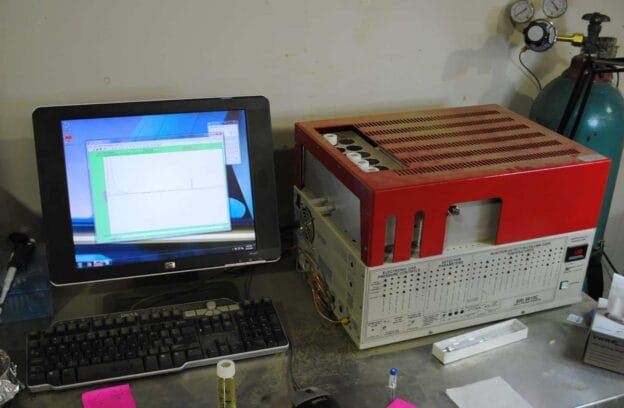
    marijuana testingA simple gas chromatography instrument used to determine cannabis potency. Example of a GC chromatogram (see right).

    Gas chromatography (GC) is another method that is often used for potency and is probably the most widely used cannabis analysis method. The principle behind GC is the same as other chromatographic methods, but instead of a liquid, a gas is used as the mobile phase.

    The sample is prepared and then injected into the GC instrument, the analyte is carried by a gas, usually helium or hydrogen, and passes through a column that is often over 50 feet long. The inside of the column is coated with a stationary phase that interacts with the analytes and causes them to separate.

    A detector is placed at the end of the column and is used to determine the presence of analytes. The most common detectors used for GC are flame ionization detectors (FID) or mass spectrometers (MS).

    The FID detector contains a flame that burns the analytes coming off of the column, so any organic material (like terpenes and cannabinoids) will be combusted and generate a detector response. On the other hand, GCMS uses complex machinery to detect the molecular weight of the analytes and is a very powerful tool for characterizing unknown analytes.

    cannabis analysis and testingThe data that comes out of a GC looks much different than TLC but is very similar. A chromatogram is a plot of detector response versus time, where a flat horizontal line indicates a zero response and peaks are due to analytes being detected.

    The retention time of each peak is unique and corresponds to a different analyte and allows for qualitative cannabis analysis. Quantitative cannabis analysis is possible to determine the amount of each analyte present using a calibration standard.

    The size of each peak in the chromatogram corresponds to the amount of that substance present, so if you inject a known amount of analyte as a standard you can use the relative peak sizes to determine how much is in an unknown sample. GC is fast, accurate, and can be affordable with basic instruments starting at around $12,000 (more advanced GCMS models can cost over $100,000).

    The biggest limitation of GC is that it cannot accurately measure THCA. Because THCA is heat sensitive and the GC method involves heating the sample, it will cause the THCA to decarboxylate into THC.

    Best Method For Cannabis Analysis

    High-performance liquid chromatography (HPLC) is arguably the best method for analyzing the potency of cannabis.

    It combines the speed and sensitivity of GC with the principles of TLC, and because it does not heat the sample HPLC can be used to measure THCA.

    The prepared sample is injected into the HPLC and a liquid solvent mixture carries the analytes through the column where they separate.

    After leaving the column, the analytes reach the detector which for HPLC is most often an ultraviolet (UV) detector or mass spectrometer like the one used for GC.

    The UV detector works by irradiating the analytes with ultraviolet light and measuring how much is absorbed so that any chemical that absorbs UV is detected. Cannabinoids absorb strongly in the UV region of the spectrum, so this detector works well for routine potency cannabis analysis.

    However, many terpenes and other molecules do not respond to UV light so this detector is not as useful for this kind of cannabis analysis and mass spec should be used instead. HPLC is very accurate, and rapid, and allows for the detection of THCA.

    However, HPLC equipment is expensive, sensitive, and can be difficult to maintain. Other methods can be used to test cannabis for potency that does not use chromatography, however, they are not nearly as common.

    cannabis analysisOne method uses a technique called nuclear magnetic resonance (NMR), but the equipment is very expensive and difficult to operate and maintain. NMR is primarily used in university and government labs, but there are compact and inexpensive instruments that are available on the market that may become competitive options for cannabis analysis.

    Other methods use the electromagnetic spectrum (ultraviolet, visible, and infrared light) that are becoming more popular because of its simple methodology and inexpensive instrumentation. There is at least one company that produces an instrument that uses near-infrared light to measure THC and other cannabinoid potencies.

    As the testing and analysis market expands, we will see more and more rapid and inexpensive methods of measuring cannabis analysis and potency. Other tests are conducted on cannabis analysis beyond just potency.

    Most consumers and retailers are only aware of potency testing because this applies directly to the product and can be used as a marketing and sales tool. However, there are several other cannabis analysis that is becoming more and more common and is required by law in states like Colorado and Washington.

    Much of the testing here is focused on health and safety and is intended to look for dangerous contaminants in marijuana.

    Because of the prohibition of cannabis for many years and the thriving black market, regulators in states with legal marijuana want to control all aspects of production and ensure that the public is safe as this stigmatized plant becomes more and more common.

    Cannabis analysis tests with GC or HPLC for chemical contaminants like pesticides and harmful chemicals to ensure that it is being cultivated responsibly and safely. These same analysis methods can also be used to test for chemical adulterants and illegal drugs that may have been intentionally added, although this is not a problem with legal marijuana but has been an issue with black market cannabis.

    GC has also used cannabis analysis with concentrates for residual solvents (such as butane) used to make hash and other concentrates. Chemical contaminants like pesticides and residual solvents are only part of health and safety testing.

    Microbial contamination is also a major concern because mold and fungus grow readily on cannabis under the right conditions. E. coli and other microorganisms have also been detected in cannabis and may appear due to improper handling and fertilization.

    These types of microbial contaminants are of particular concern for medical marijuana patients, some of whom may have compromised immune systems and have a high risk of infection from these types of contaminants.

    Microbial contaminants can be detected visually in some cases, but there are more reliable methods such as culturing the sample in a petri dish and incubating and counting the microbes using a microscope. This method is very time and labor-intensive but is inexpensive and accurate when done properly.

    Another method called qPCR amplifies and quantifies the DNA of microbes like e. coli and is quite expensive, but is very accurate, sensitive, easy to automate, and fast. Additionally, visual inspection of the cannabis flowers is often conducted to look for foreign contaminants such as hair, rodent excrement, and insects.

    For more information on cannabis analysis and testing, we highly recommend the American Herbal Pharmacopoeia’s booklet titled Cannabis Inflorescence. This short book goes into great detail about the different methods that can be used for cannabis analysis and is a great primer for those looking to learn more about this new and exciting topic.

    Let us know what you think.

  • Cannabis Concentrates and Infused Products

    Cannabis Concentrates and Infused Products

    cannabis concentratesFor many years the primary method of consumption for marijuana in modern society has been smoking the flowers which contain most of the THC and other cannabinoids found in the plant.

    Sure, some people like to bake infused brownies and others use vaporizers, but the vast majority prefer to pack a bowl or light a joint. That is rapidly changing as medical marijuana is becoming increasingly legal in the U.S. and other countries.

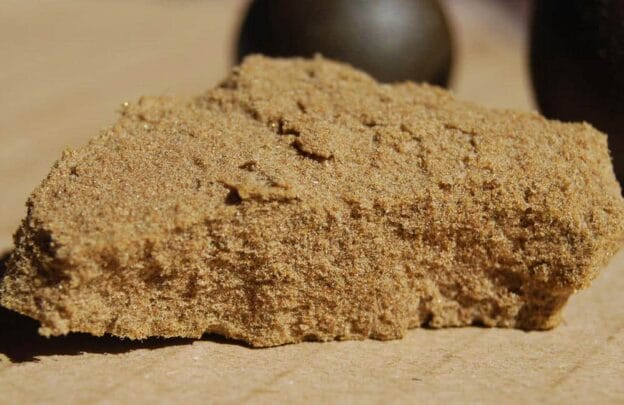
    Hashish, or hash, has been around since ancient times and is a concentrated form of cannabis that is popular as an alternative to smoking cannabis flowers. In this blog, we will explore the many different types of cannabis concentrates, the various methods of making them, and how they can be consumed or used to make infused products.

    Whether you call it BHO, hash, honey oil, Tears of Phoenix, an extraction, or cannabis concentrates, there are a thriving culture and a significant amount of science behind this wonderful goo. For as long as human beings have known about the cannabis plant, we have been experimenting with methods to obtain higher doses of the main psychoactive ingredient, THC.

    Simple methods employ mechanical and physical separation of the resin-rich glands that contain most of the active ingredients to produce a rather crude cannabis concentrate that has a lower potency and a high amount of plant material.

     

    20th Century Cannabis Concentrates

    cannabis concentratesIn the 20th century, chemical extraction became increasingly popular with books like Cannabis Alchemy by D. Gold explaining how solvents such as alcohol or petroleum-based hydrocarbons can be used to produce very potent and pure cannabis concentrates.

    Not long thereafter, butane honey oil, or BHO as it is often called became popular because it can be produced easily and quickly with cheap and readily available materials.

    In the new millennium, cannabis concentrates got a high-tech boost as super-critical carbon dioxide extraction, the same process used to make decaf coffee, began being used to make hash. Now there are a handful of companies that produce extractors that are designed specifically for making hash, although many are marketed as generic herbal essential oil extractors for legal reasons.

    The earliest hashish was not surprisingly the simplest form of cannabis concentrate. The buds of the cannabis plant are covered in tiny glands called trichomes, which can be thought of as cannabinoid factories where the plant makes most of its THC and other similar compounds.

    When the flowers are rubbed or otherwise mechanically agitated, the trichomes separate from the plant material and bring along a lot of cannabinoids with them. cannabis concentrateFor example, when cannabis flowers are being harvested and manicured a significant amount of resin becomes stuck to the scissors being used to trim the plants.

    This sticky, dark solid is often referred to as “scissor hash” and is usually a cultivator’s first opportunity to sample some of their new harvests. Ancient people in Western Asia prepared crude hashish using similar methods to remove trichomes from the plant material to make some of the first cannabis concentrates in the world.

    A simple modification to this basic procedure produces a higher quality hash that has been termed “bubble hash”. By using water to aid in the separation of the resin glands from the rest of the plant material, a much lighter-colored and higher potency hash can be obtained.

    The water helps to remove chlorophyll and other impurities from the hash, thus resulting in lighter-colored oil with a higher THC potency. While bubble hash made with water is a concentrated form of cannabis, it is a physical separation and not a true extract.


    Solvent Extraction To Make Cannabis Concentrates

    Extraction is a process that involves the use of a solvent to dissolve the essential oils in the plant and chemically separate them from the plant material, not all that different from making tea or coffee. There are many advantages to extracting cannabis with a solvent, the greatest being the ability to filter the extract and remove all of the plant material.

    This will afford a more potent cannabis concentrate, burns/vaporizes cleaner, and is easier to infuse into products such as edibles or vaporizer pens. Using a liquid solvent also allows the extract to be refined and purified to remove color, waxes, and other impurities.

    Using extraction methods, it is possible to obtain cannabis extracts that are upwards of 90% THC. There are, however, some drawbacks to using certain extraction solvents that can have major health and safety implications which will be discussed in more detail later.


    Simple Fat-Based Cannabis Concentrates

    cannabis concentratesThe simplest cannabis extracts are fat-based cannabis concentrates such as infused butter or cooking oils like canola, coconut, or olive oil. The fat-based concentrates are prepared by steeping cannabis plant material in the fat while heating to extract cannabinoids and other phytochemicals.

    The plant material is then strained and the fat-based cannabis concentrate is ready for oral consumption. Often these cannabis concentrates are used to make infused edible products like candies and baked goods.

    Whenever a fat-based cannabis concentrate is to be eaten, it is important to activate the plant material before extraction. Activation is the process that converts the non-psychoactive, natural product THCA to its psychoactive form, THC.

    This decarboxylation reaction can be achieved by heating the plant material above 210 degrees Fahrenheit for at least an hour. Although glycerin is not technically fat, it can be used to prepare a tincture similar as with cooking oils.

    Because fat-based and glycerin cannabis concentrates are prepared by direct infusion of plant material into the fat, the THC potency of the oil is unknown. The infused fat must be tested for potency before it can be used to make precision-dosed products.

    Alternatively, hash that is made from solvent extraction and tested for potency can be diluted with a known amount of fat to prepare an infusion of known potency. The vast majority of commercial marijuana-infused product manufacturers use this method, while the direct infusion is generally used by individuals at home.

    One major drawback of fat-based cannabis concentrates is that it is very difficult, if not impossible, to isolate the THC and other cannabinoids from the cooking oil to make hash. Cooking oils are not volatile, meaning they have a high boiling point and cannot be removed by distillation.

    Cannabis Concentrates Using Volatile Solvents

    cannabis concentratesWhen a volatile solvent is used in place of the cooking oil, it can be distilled off resulting in a high-potency hash. When using volatile solvents to extract cannabis, it is important to fully remove or purge all of the solvents from the hash for health and safety reasons.

    This is usually done with a vacuum chamber and/or heat to boil off the residual solvent. Several volatile organic solvents are used to extract cannabis, but butane is by far the most popular.

    Butane is cheap and readily available and also has a very low boiling point of 30 degrees Fahrenheit, so it is simple to purge the solvent from the concentrate. Butane is used by home and commercial producers alike to make very high-quality hash but has some serious safety risks.

    Butane is a highly flammable compressed gas, so extractions using butane should be done outside or in a well-ventilated room with a spark-free exhaust fan to prevent explosions. The use of butane to extract cannabis is illegal in many areas, so it is important to know the law before blasting your hash.

    The toxicity of butane is low, but it is still important to purge all of the butane from the hash and this must also be done safely and responsibly. Most people make BHO by “open-blasting” where they force compressed butane through a tube or column containing the plant material and collect the hash in a pan and the end of the tube.

    This process is dangerous, wastes butane and also sends butane into the atmosphere where it can have a negative environmental impact. Some states have banned open blasting for commercial hash production and require the use of expensive recapture machines that recycle almost all of the butane.


    Other Volatile Organic Solvents

    cannabis concentrateAn alternative to butane blasting is the use of other volatile organic solvents with higher boiling points to extract the hash. Grain alcohol such as Everclear (95% ethanol) or hexane is a common liquid extraction solvent with respective boiling points of 173 and 154 degrees Fahrenheit.

    Other common solvents include petroleum ether, isopropyl alcohol, acetone, or liquid hydrocarbons such as pentane or heptane. The choice of solvent will greatly impact the quality of the cannabis concentrate and we will go into more detail on this in a subsequent blog focused on the solvent extraction of cannabis.

    Non-polar solvents such as hexane are quite selective for cannabinoids and other essential oils in the plant and give a high purity and potency hash. More polar solvents like alcohols or acetone are less selective and will extract chlorophyll and other phytochemicals resulting in a darker, less pure, and less potent hash.

    Because the boiling points of these solvents are higher, they are liquids at room temperature which allows for simple and direct chemical manipulation of the cannabis concentrates. While the hash is still dissolved in the solvent, it can be purified to remove colors or waxes to give a more potent or cleaner hash and this is not possible with butane.

    Many of the liquid solvents used to extract cannabis such as hexane or isopropyl alcohol are toxic, so it is critical to purge all of the solvents from the hash and test for residual solvents using gas chromatography. The only liquid solvent that is considered safe and acceptable to have residual solvent in the hash is ethanol because it has very low toxicity.

    Super-Critical Carbon Dioxide Extraction

    cannabis concentratesAnother extraction method that is becoming increasingly popular to prepare hash is super-critical carbon dioxide extraction. This process is used industrially to produce decaffeinated coffee and to extract essential oils for flavorings and fragrances.

    The carbon dioxide is compressed in a chamber until it reaches the super-critical phase which is a hybrid liquid gas. Under these conditions, CO2 can act as a solvent and will dissolve organic material such as cannabinoids.

    Because there are no organic solvents used in the process, it is usually thought of as the cleanest extraction method for making hash. If that’s the case, then you may wonder why people are still using butane and liquid organic solvents.

    That is because super-critical CO2 extractors are expensive and range from about $20,000 up to $250,000. Additionally, the operation of these machines is complex and requires a highly skilled operator.

    To obtain high yields and good quality hash with this process is not trivial, the maintenance and repairs of this type of extractor can also be costly. A handful of extraction artists can make great quality hash with carbon dioxide extraction, but much of the time the hash oil that is obtained is a thin, runny consistency and will be used in edibles or vaporizer pen formulas.


    Cannabis Concentrates Final Points

    cannabis concentratesThere is a wide range of textures of cannabis concentrates that can be made. The properties of the final product are highly dependent upon the starting plant material, the extraction process, and post-extraction processing and refinement.

    Bubble hash made by water extraction is typically solid with a dark amber to brown to green color. Hash oil made by extraction with butane or liquid solvents can have a wide range of textures from very thin and runny honey oil to thicker sap-like consistency to the much-coveted shatter.

    The viscosity of the hash oil is highly dependent upon the terpene content of the oil. Terpenes are low molecular weight, volatile oils that are responsible for the flavor and aroma of cannabis.

    By purging the hash oil in a vacuum oven at elevated temperatures, many of the terpenes are evaporated off leaving very high potency oil that has a crystalline structure that is known as shatter.

    The wax content of the hash will also impact its texture so strains that are very rich in paraffin waxes tend to yield hash oil that is more opaque and softer, earning names such as butter or earwax.

    Waxes can be removed through a process called winterization which we will cover in detail later in this series of blogs. Cannabis concentrates can be used in many ways for recreational and medicinal purposes, they can be added to the cooking oil in a recipe and used to make infused edible products of all sorts.

    It is also possible to make gel capsules with precise doses of THC, CBD, or other cannabinoids. Cannabis concentrates can be smoked on their own, or people often combine them with cannabis flowers when smoking.

    In recent years, dabbing has become very popular for cannabis concentrates. To do a dab, a piece of metal or glass is heated with a torch, and the concentrate is applied and immediately vaporizes and is inhaled.

    There are also tabletop and portable electronic vaporizers that work similarly by heating an electric coil. Electronic cigarette vaporizers that are the size of an ink pen are becoming hugely popular, some of the vape pens work with pure concentrate, while others require it to be thinned with some sort of carrier such as glycerin.

    Let us know what you think.

  • Cannabis Chemistry 101

    Cannabis Chemistry 101

    Cannabis has been a part of human history for a millennium. Until the early 20th century, it was used as medicine and a spiritual guide in cultures all over the planet.

    In the early 1900’s it was possible to purchase cannabis tincture at pharmacies, but soon the United States federal government launched a crusade to prohibit this most intriguing plant.

    For the last 80 years or so, the major drivers of medical research, pharmaceutical companies, have focused on profitable synthetic drugs and little research has been done on cannabis chemistry and therapeutic applications.


    Cannabis Chemistry In Main Stream News

    cannabis chemistryWhen television personalities like Dr. Oz and Sanjay Gupta are talking about it, it is clear that a wave of change is swelling. Cannabis chemistry contains is much more than a normal plant; it is a gift to humanity with complex scientific secrets.

    If you were to walk down the street and ask people what chemicals they associate with marijuana, the overwhelming majority would say THC (and maybe CBD if they saw Dr. Gupta on CNN).

    While cannabinoids like THC and CBD are well known and often thought of as the active ingredients in cannabis chemistry, there are a huge number of other chemicals present in the plant.

    To fully understand the medical applications or to produce quality concentrates or marijuana-infused products, a basic understanding of the science is critical. In addition to the better-known cannabinoids THC and CBD, there are dozens of other related cannabinoids found in the plant’s cannabis chemistry.

    THCA is the natural product version of THC and understanding the chemistry of these two compounds is of utmost importance. Compounds such as CBC and CBG are chemical precursors in the plant biosynthesis of THC and have been shown to have interesting medical properties.

    CBN is a degradation product of THC that has unique physiological effects.


    Terpenoids In Cannabis Chemistry

    cannabinoids cannabis chemistryThere is also an entire class of compounds called terpenoids that are chemical building blocks to make cannabinoids.

    The medical properties of terpenoids are not nearly as well known, but there are certainly some interesting remedies waiting to be discovered in this broad class of chemical compounds.

    Cannabinoids and terpenoids are made up of simple chemical building blocks called terpenes.

    Terpenes are volatile, small molecules that give cannabis much of its flavor and aroma. They also have unique medical properties and are present in many other plants. Terpenes can be found in pine trees, citrus fruit, and flowers such as lavender and so on.

    There is a growing industry across the globe that is focused on using essential oils as therapy for a variety of ailments, so retaining terpenes in concentrates is important for medical reasons. It is also important to understand terpene chemistry as it greatly impacts the texture and flavor of cannabis concentrates.


    Compounds In Cannabis Chemistry

    terpenes cannabis chemistryIn addition to the ever-intriguing cannabinoids, terpenoids, and terpenes, cannabis chemistry also contains several other ubiquitous chemical compounds found in many other living things.

    Cannabis chemistry contains proteins and enzymes, starches and carbohydrates, waxes and other oils as well as chlorophyll and other common plant chemicals.

    While these are not psychoactive and have minimal medical value, it is important to consider these components of cannabis chemistry as well.

    They can greatly affect the color, flavor, and texture of concentrates and infused products. Cannabinoids are found throughout virtually the entire cannabis plant at all stages of growth, from seedlings to harvested flowers.

    The flowers of the cannabis plant are by far the most potent component in terms of THC and CBD and other cannabinoids in its chemistry. However, the stems and leaves also contain a relatively small amount of cannabinoids.

    Cannabis flowers typically test from 10-30% for THC by weight, while leaves and stems are typically 1-5% THC. Each strain of cannabis has a specific cannabinoid profile with THC, CBD, and others present in specific ratios.

    While the percent of cannabinoid present in the various parts of the plant will vary, the profile remains pretty much the same for a given strain. Because of recent reports of the medical properties of CBD, there has been significant interest in breeding strains with a high CBD content.

    Hemp is also a significant source of CBD and other cannabinoids but is subject to different federal and local regulations. Because THC is the primary psychoactive ingredient in cannabis chemistry, it is the most interesting cannabinoid to many people.

    A basic understanding of how THC is made in the cannabis plant is essential for anyone who wants to work with cannabis. As mentioned previously, THCA is a natural product formed biosynthetically by cannabis. Unlike THC, THCA is not psychoactive when consumed.

    Curing Process & Cannabis Chemistry

    During the curing process, THCA in flowers is converted to THC through a process called decarboxylation. This process is also referred to as conversion, activation, or decarbing. During decarboxylation,n, the THCA undergoes a chemical change where it gives off carbon dioxide gas to form THC.

    This conversion also takes place when the flowers are heated as they are smoked or vaporized, so even flowers that are not fully decarboxylated will be psychoactive. For edibles and other products that will not be heated before ingestion, it is important to know how much THC and THCA are present so that the proper dose can be formulated.


    Activating Cannabis (THCA -> THC)

    cannabinoid chemistryComplete conversion of THCA to THC is simple and can be achieved by heating above 210 °F for extended periods.

    The plant material can be activated before extraction, or the concentrate itself can be decarbed to ensure that all THCA is converted to THC for infused products and this process will be discussed in a subsequent laboratory course.

    Cannabinoids, terpenoids, and terpenes are all hydrophobic chemical compounds, meaning they are not very soluble in water but dissolve easily in oils and organic solvents. For this reason, solvents like butane or alcohol are popular methods of extracting cannabis.

    It is possible to use water to make bubble hash, but that is a physical separation and not a true extraction where the THC and other plant oils are dissolved in a solvent. The choice of extraction solvent can greatly impact the type and quality of concentrate that will be produced.

    Compared to terpenes, cannabinoids have relatively high boiling points above 350 °F while many terpenes boil at less than 200 °F. This difference in boiling point can be used to separate components by distillation in some applications.

    It is also important to keep these numbers in mind while purging or decarbing because terpenes may be lost in the process impacting the flavor, texture, and physiological effects of a concentrate or infused product. THCA and CBD are both solids in their pure form, while THC is a thick oil.

    Terpenes tend to be thin liquids, although some are crystalline solids at room temperature. Cannabinoids do not only differ in physical and chemical properties as we have just seen, but they also have varying effects on the human body when ingested.

    You know that THCA, present in fresh plant material, is not psychoactive and must be heated to convert to THC before consumption to get high.

    CBD is not considered to be psychoactive and is a cannabinoid receptor antagonist which means that it counters the effects of THC in the brain. However, CBD is claimed to help with pain, inflammation, seizures, mental illness, and many other ailments so there is much demand for it, even though it does not induce a high.

    CBN is a degradation product of THC and is known to cause drowsiness when ingested. Other, lesser-known cannabinoids like CBC and CBG have not been studied as well. As the science around cannabis chemistry advances, there will be more and more clinical studies to determine how natural and synthetic cannabinoids affect our bodies and minds.

    You should now have a basic understanding of the broad classes of chemicals that are found in cannabis chemistry, their physical and chemical chemistry properties, and how they affect users.

    Let us know what you think.

  • Cultivation 101: Cannabis Horticulture

    Cultivation 101: Cannabis Horticulture

    cannabis horticultureThe key to successful cannabis horticulture is to understand exactly how marijuana produces food and grows healthily. Whether grown indoors or outdoors, the requirements for cannabis horticulture remain the same.

    The necessities of cannabis are light, air, water, nutrients, a growing medium, and heat to create the necessary energy to grow. Growing indoors, the requirements are the same, though it is necessary to be sure that you have the proper light spectrum, carbon dioxide (CO2), and air circulation for cannabis to grow and thrive.

    When you have proper amounts of everything needed for proper cannabis horticulture the result is consistent and optimum levels of growth. Marijuana is normally grown as an annual plant, completing its life cycle within one (1) year so the seeds are planted in the spring and grown throughout the summer.

    Growing larger and larger until fall, the plants begin to produce flowers and create seeds to continue the full life cycle of cannabis. In its natural state cannabis horticulture goes through distinct growth stages throughout its life cycle.


    Marijuana Germination

    cannabis horticultureIn the germination stage, after about 3 – 7 days, the seedlings sprout white-colored roots and begin to establish their root system in this stage of cannabis horticulture. Soon thereafter they were to grow stems and develop their first few leaves.

    Moisture, heat, and air are the activators of the seed hormones (cytokinins, gibberellins, and auxins) during the germination life cycle of marijuana seeds. The hormones of the seed reside within the durable outer coating of the seed and the hormone cytokinin triggers cells to form and tells the gibberellins to grow in size. The embryo of the seed expands in size, utilizing the supply of food stored within the seed for growth.


    Cannabis Seedling Growth

    A single tap root is produced from the germination of the seed as it grows down through the soil or growing medium and then the root systems begin to branch out. While the roots grow below the surface, the stem branches upward, above the ground in search of the light for its growth.

    Tiny rootlets in the root system draw in water and nutrients as the root system develops in size, helping to anchor the plant and create a foundation for its future growth. Seedlings need to receive about 16-18 hours of light for healthy, vigorous growth in the beginning stages of cannabis horticulture.


    Marijuana Vegetative Growth

    how to grow cannabisDuring this stage of cannabis horticulture, the plants need a minimum of 16 hours of light to stay in the vegetative state; though a maximum lighting time of 24 hours a day, 7 days a week can also be used.

    In cannabis horticulture, as the plant matures, its root systems take on specialized roles – the center, older, and more mature roots contain a water transport system that may also store food for the plant.

    The tips of the roots extend and push deeper and farther into the soil in search of nutrients and water to supply its growth. These single-celled root hairs are the essential key for plants to be able to uptake water and nutrients for growth.

    The roots are extremely delicate and must be handled as quickly, gently, and carefully as possible if doing any kind of transplanting since they are prone to dry up and die very easily if they lack water. They may also be damaged by open air and sunlight if exposed for too long.

    Similar to its root system, the cannabis stem grows and stretches higher and farther to catch more sunlight. In cannabis horticulture the plants will produce nodes and buds along its stem – depending if it is Sativa- or Indica-dominant strain – the nodes will be at varying distances between each node.

    The central stem’s primary function is to transfer water and nutrients from its delicate root hairs up and throughout the entire cannabis plant. Lateral and side branches continue to branch out to develop buds and for the leaves to capture light.

    Cannabis Pre-Flowering

    Pre-flowers will begin to show around the fourth week into vegetative growth, depending on the strain in cannabis horticulture. It is around this time that you will usually be able to determine the sex of the plant. Between the fourth and sixth nodes is where you will usually be able to find the pre-flowers of the cannabis plant.

    The male cannabis plant will develop tiny, smooth, egg-shaped pollen sacks while the female cannabis plant will develop small V-shaped white or pink hairs called pistils.

    Sometimes it may be hard to tell which are male and female. If you are unsure then you can grow them for a longer period to ensure you can correctly identify the plant’s sex (male or female). If you want to ensure a seedless crop (sinsemilla), you will want to be sure to remove all males from your crop.


    Marijuana Flowering

    growing marijuana indoorsIn a natural growing environment outdoors, cannabis begins to flower in the fall when the days become shorter. Flowers begin to form during this last stage of growth, where leafy growth within the plant slows and flowers begin to form.

    The changing of the seasons signals hormone changes within the plant so they go from being in a vegetative state into a flowering or blooming stage of their life cycle. Seasonal changes and the flowering cycle of cannabis horticulture are in direct correlation to the light spectrum of the sun and the amount of time (or hours) the sun is out each day.

    The flowering of cannabis is triggered by 12 hours of darkness and 12 hours of light every 24 hours. When left un-pollinated female flowers develop without seeds, called ‘sinsemilla’. Otherwise, when a female plant is fertilized with male pollen, the female flower buds will begin to develop seeds.

    Let us know what you think.

  • Marijuana Medical Benefits Vs. Risks

    Marijuana Medical Benefits Vs. Risks

    medical marijuana

    The debate over the legalization of marijuana for medical use – typically referred to as cannabis (marijuana) when prescribed by a doctor – is an intense battle that has been going on for years.

    Thus cannabis and its medical benefits are in a gray zone and seem destined to remain there for quite some time. Millions of people use marijuana, various people use it recreationally, and some of the medicinal benefits that marijuana provides.

    While the popular plant has been used for medicinal purposes for centuries, the debate on its effectiveness continues. We know the Food and Drug Administration (FDA) has already approved synthetic cannabinoid (the active ingredient in marijuana) drugs for use in patients and more are undergoing Phase III clinical trials in the United States for the treatment of cancer pain.

    Yet, the Drug Enforcement Agency (DEA) lists marijuana (a cannabinoid drug like the FDA has approved) under the Schedule I category of controlled substances, meaning it has a high potential for abuse, has no currently accepted medical purpose in the United States and is not deemed safe for use.

    The DEA’s stance has made it difficult for scientists to push forward national clinical trials for natural (NOT synthetic) marijuana for medical use. Still, more than 6,000 studies have been published in scientific journals about marijuana’s medical benefits and the cannabis plant, according to NORML, an organization that works to legalize marijuana.

    Research has shown that there are both marijuana medical benefits and risks, just as any type of medication patients are prescribed by medical doctors.


    Marijuana Medical Benefits

    marijuana medical benefits

    Medical marijuana can treat several conditions in patients. For example, anxiety and post-traumatic stress disorder (PTSD) have been reported to respond to treatment with marijuana.

    The marijuana medical benefits are virtually unlimited, even the National Cancer Institute (NCI) says the potential benefits of medicinal cannabis for people living with cancer include antiemetic effects, appetite stimulation, pain relief, and improved sleep.

    Most patients report fewer side effects than with traditional drugs because marijuana is a naturally occurring substance; it carries fewer risks than chemically processed drugs.


    Psychological Effects

    The psychological effects of cannabinoids, such as anxiety reduction, sedation, and euphoria can influence their potential medical marijuana benefits. In some patients there is a mild and short-lived withdrawal symptoms – the symptoms include restlessness, irritability, mild agitation, insomnia, sleep disturbance, and cramping.

    So needless to say, those effects are potentially undesirable for certain patients and situations, and beneficial for others.


    Physiological Risks

    The most significant risk posed by marijuana is that, unlike many other medications, there are no recommended dosing requirements. Thus patients have to experiment with dosing, a method of administration, and strain.

    Smoking marijuana (you have other options to medicate, ex. digestion, topical application, etc.) poses a risk to the lungs and may cause other respiratory problems.

    However, except for the harm on your lungs associated with actually smoking marijuana, the adverse effects of marijuana use are within the acceptable range of side effects that is tolerated for other pharmaceutical medications.

    The physiological risks of the medical use of marijuana are not necessarily the same or nearly as harmful as the physical effects of other types of drug use.

    Conclusion

    Does it seem the main question is do marijuana’s medical benefits outweigh the risks???

    While the benefits and risks of medicating with marijuana may be overstated by advocates and opponents of marijuana legalization, new legalization will help researchers study marijuana’s medical benefits and uses, and better understand how it impacts the body.

    Currently, we do know marijuana does confer more benefits on patients than risks. The risks are extremely minimal; in most cases, marijuana medical benefits have less risk than prescribed pharmaceutical drugs.

    Others have pointed out that marijuana use has been a part of human existence for centuries and has been used – historically – to treat some health problems in addition to alleviating mental health concerns.

    Let us know what you think.

  • Recreational Marijuana Containers

    Recreational Marijuana Containers

    marijuana containersNavigating the standards of recreational marijuana containers and their labeling, packaging, and product safety can be difficult and frustrating.

    While many of the regulations seemingly read the same, each one is, in fact, different and unique to the various dispensaries involved in using marijuana containers and a required labeling process.

    To complicate practical comprehension of this process, even more, is the emerging cottage industry for manufacturers of marijuana containers, various social media platforms, and perpetuated misinformation by cannabis professionals who have not done their due diligence when it comes to compliance education.

    Day by day and state by state, the cannabis industry is progressively changing the politics of how marijuana containers are used and regulated. From the cultivation and refining process to point-of-sale practices, marijuana businesses are responsible for adhering to state rules and ensuring marijuana product safety within their communities.


    The Importance Of Marijuana Containers

    medical marijuana containerYoung children, beloved pets, and those with hypersensitivities or potential allergies to marijuana have the right to be effectively protected from adverse health events related to accidental marijuana consumption or exposure.

    To this end, how marijuana and its related products are packaged and labeled are integral to not only the public’s well-being but also any cannabis company’s professional image.

    Owner/operators and employees of marijuana cultivation facilities, marijuana products manufacturing companies, and recreational marijuana stores all take on the responsibility of comprehensive education and consumer awareness.

    Through proactive investigation and conscientious implementation, cannabis businesses are able to invest with confidence, operate with profitability, and remain committed to providing their customers with high-quality products without compromising on safety.

    Understanding the language of the law and creating compliance transparency with state marijuana enforcement agencies promotes an open dialogue between cannabis business owners, regulators, and perhaps most importantly, the public at large.

    Marijuana containers, labeling preferences, and product security measures concern all those participating in the cannabis industry, and it is through dynamic education and training that success is established.

    Without a strong knowledge base to build upon, the goals of these individuals and groups generally do not come to fruition, leaving business doors closed and customers searching for new cash registers to deposit their dollars.

    Here’re some typical issues:

    • Who can cut through the red tape?
    • What information outlets are credible?
    • Where does marijuana policy come from?
    • When should product research and development begin?
    • Why are packaging and labeling important?
    • How do businesses instill best practices?

    Whether you are an individual or a group, the approach taken in acclimating successfully to a new industry such as the marijuana market remains the same – through education comes empowerment, and from empowerment comes earning potential.

    Costs And Choices For Marijuana Containers

    cannabis containersPackaging, labeling, and product safety measures cost money and come with choices. Making an informed decision on how money is spent is up to the marijuana business, and as in all other commercial industries, when it comes to non-compliance, ignorance is not an excuse.

    Enforcement agencies do not, and for the foreseeable future, will not endorse a specific package or container. This strategy ensures that the state regulatory boards remain in control of the cannabis industry, with the power to discern and discriminate against marijuana container practices deemed insufficient.

    To counter this absolute power, marijuana businesses should focus on educating, training, and internal quality assurance to not only meet the legal threshold but exceed it. The future for cannabis industry rule makers, entrepreneurs, patients, and customers is one of continual evaluation, careful revision, and concise execution.

    Colorado’s laws and enforcement practices are under the microscope both locally and nationally not just for efficacy, but for guidance as well.

    With more and more ballot initiatives and public opinion polls showing support for medical and recreational marijuana, investors, owner/operators, employees, and industry professionals need to practice prudence and in-depth analysis when it comes to one of the strictest facets of retail cannabis operations.

    The packaging, labeling, and product safety of marijuana containers and their derivatives is a top priority across the country from house legislatures to company boardrooms to consumer couches. Colorado may have been the first state to pass sensible marijuana containers reform, but it certainly will not be the last.

    Let us know what you think.

  • Making Hash Safely

    Making Hash Safely

    how to make hashHashes, waxes, and concentrates are all the rage lately, and for good reason. These forms of marijuana are much stronger and oftentimes provide patients with fast relief for their ailments.

    However, hashes, waxes, and concentrates do have a dark side. Many of these products are made by running highly flammable butane gas through dried marijuana leaves.

    Because the resin of the marijuana plant is oil-based, and the plant itself is water-based, butane helps the two pieces to separate. Because making your hash is a relatively exciting experiment, tons of people who don’t know what they’re doing are taking a stab at making butane hash oil (also known as BHO).

    The only problem is, most of these people don’t know the dangers of working with butane gas. Everything from a spark on the stove to lighting a cigarette could turn your beautiful glass dish of hash into a bomb! But, what if there was a less dangerous way to go about making hash?


    Forgotten Bubble Hash

    The process of making bubble hash requires nothing more than a couple of 5-gallon buckets, bubble netting, found at your local grow shop, ice, and water. That’s it. None of it is flammable. None of this process is even remotely dangerous. So, are you ready to learn how it’s done?


    How To Make Bubble Hash

    making hashWhat You Will Need:

    -> 2 5 Gallon Buckets – Your buckets are going to house the entire hash-making process. To make sure that there are no contaminants in your hash, make sure that your buckets are completely clean.


    -> Bubble Bags – It’s best to buy a set that ranges from 220 microns to 25 microns. Each different layer will produce a different quality hash.

    -> 100 Grams Of Sugar Leaf – Truth be told, you can use more or less sugar leaf, that’s completely up to you. However, when making it myself, I’ve found that 100 grams are the perfect amount for me to work with.

    -> 2 or 3 Gallons Of Cold Water – This is an ice water extraction after all.

    -> A Good Amount Of Ice – You want your water to get very cold. As the water gets colder, the oily resin will be extracted from the leaf and clumped together at the bottom of your bubble bags.


    How To Make Bubble Hash

    how to make bubble hashStep #1 – Getting Prepared

    Start by putting your 220-micron bag in a 5-gallon bucket. In the other bucket, stack your other bubble bags from the lowest number of microns to the highest.

    Step #2 – Mix Water, Ice, And Leaf

    Start by pouring a gallon to a gallon and a half of water into the bucket with the single 220-micron bag. Now add about half of your leaf and half of your ice and mix well, but keep it gentle, you don’t want to break the trichomes.

    Once all leaves have gotten good and wet, pour the rest of the water, leaf, and ice into the bucket and mix well.

    Step #3 – More Mixing

    You want to lightly mix the marijuana slushy for about 15 minutes. Don’t mix it too heavily though, remember to be gentle.

    Step #4 – Strain The Mixture

    Simply pull your 220-micron bubble bucket up slowly. As you do, the water will fall through, and the bag will contain the leaf matter and ice. You’ll notice at this point, that the water is no longer clear. It now has a beige, tea color.

    Step #5 – Working The Gold Out Of The Water

    Start by pouring the entire bucket of water into the bucket that you’ve prepared with multiple bubble bags. Now, slowly pull the bubble bags up, one by one. As you do, you’ll notice a small amount of wet hash at the bottom of each.

    As you get lower in micron numbers, the water will take longer to drain…don’t worry, it’s supposed to happen. Scrape the wet hash off of the micron bag using a spoon, butter knife, or some other dull metal object. Once you’ve taken the hash off of the bag, put it onto wax paper to dry.

    Step #6 – Let The Hash Dry

    Now, it’s a waiting game! Simply let the hash dry for anywhere from 12 to 24 hours. Once it’s dry, it will be ready for use.

    Final Thoughts On Making Hash

    There you have it, bubble hash is easy to make, and uses no flammable materials. However, the effects for users are the same! That being said, leave the butane extractions up to the chemists. For safe hash, follow this recipe, and you’ll be happy every time.

    Let us know what you think.

  • Is Marijuana Pot?

    Is Marijuana Pot?

    is marijuana pot

    There are hundreds of slang terms and different names used for marijuana. Many of the different jargon used for marijuana or cannabis have been derived from a combination of the geographic location and the appearance of the processed plant.

    Just in case you did not know is a marijuana pot, yes it is. Cannabis is indigenous to Central and South Asia as well as other warmer regions.

    Marijuana comes from the cannabis plant (cannabis sativa) so it is natural and derived from the female flowers and dried leaves. So how did “pot” come to America?


    Mexican Revolution of 1910

    is marijuana potThe Mexican Revolution was a major armed struggle brought on by tremendous disagreement among the Mexican people over the dictatorship of President Porfirio Diaz who stayed in office for thirty-one years.

    The Revolution was started by a new generation of leaders who wanted to participate in the political life of their country, but they were denied the opportunity by officials who were already entrenched in power and who were not about to give it up.

    As reported by PBS, “After the Mexican Revolution of 1910, Mexican immigrants flooded into the U.S., introducing to American culture the recreational use of marijuana. The “drug” became associated with the immigrants, and the fear and prejudice about the Spanish-speaking newcomers became associated with marijuana.”

    Why is marijuana called pot? So did the word for a common kitchen instrument become slang for marijuana? The origin of the word “pot” has nothing to do with kitchen cooking utensils.

    That is why so many people have asked, “why is marijuana called pot, or is marijuana pot?” And most have never understood this at all. The shortened nickname “pot” comes from the Mexican Spanish word Potiguaya or Potaguaya means “marijuana leaves.”

    It is a shortening of the word potacion de guaya, an alcoholic drink made of marijuana leaves and buds steeped in brandy or wine. It means “the drink of grief”.

    Now, what the heck is potacion de guaya? Well, that is a quick and easier question to answer, it is a tropical fruit that you typically can find at the grocery store called “guava” used to make the alcohol for the potacion de guaya.

    “Pot” as slang for marijuana has been in common usage since the late 1930s and early 1940s and has been a subject of lively arguments among etymologists pretty much since day one. The reason why is marijuana called pot was made into a common term for marijuana or cannabis in the United States when it became popular during this period in history.

    And that answers our questions:

    • Why is marijuana called pot?
    • Is marijuana pot?

    Why People Are Asking…

    You are probably asking “is marijuana pot” today because you’ve recently heard of medical marijuana in the news, which refers to the cannabis plant used as a doctor-recommended form of medicine or herbal therapy. According to Wikipedia, “Pot, marijuana, cannabis, etc. is one of the 50 “fundamental” herbs of traditional Chinese medicine used for over 5,000 years, and is prescribed for a broad range of indications.”

    Whatever you call it – ganja, weed, reefer, tea, bhang, leaf, or skunk – it may soon be medicinally and legally farmed in records amount as medical marijuana becomes more prevalent throughout the United States. Now we know the historical answer to why is marijuana called the pot.

    Let us know what you think.

Do NOT Grow Another Plant Until You've Enrolled Into This! 💯
Cannabis Horticulture
A Carefully Curated Cultivation "Crash Course" On Everything You Need To Crank Out High-Yielding, "Cannabis-Cup Winner" Flowers That'll Generate HUGE Crops All-Year Long
Crafting Cannabis-Infused Edibles Takes MORE Than Ingredients... 🍽️
Edible Cannabis Products (100% FREE Training)
Enthusiasts Face Challenges Navigating An Ever-Expanding Array Of Cannabis Products & Delivery Methods From "Raw Flower" Smoothies To Infused-Edibles, Cannabinoid-Based Drinks + MORE.