Category: What’s New

  • Eating Fish Poop?!?! Marijuana Aquaponics Vs. Hydroponics

    Eating Fish Poop?!?! Marijuana Aquaponics Vs. Hydroponics

    A lot of people have recently become aware of hydroponic stores as more states have adopted medical marijuana laws and patients normally prefer to use hydroponic systems or soil to grow their medicine. But now, there is a new method called marijuana aquaponics that is starting to be used to grow patients’ medical marijuana.

    According to Wikipedia, “Aquaponics is a sustainable food production system that combines conventional aquaculture, (raising aquatic animals such as snails, fish, crayfish or prawns in tanks), with hydroponics (cultivating plants in water) in a symbiotic environment.“

    Aquaponics can easily suit almost any space and is capable to use indoors and outside while having the ability to grow medical marijuana speedily and economically.  The good news is this cutting-edge gardening method (aquaponics) is now starting in the medical cannabis business and is changing hydroponic growing systems that have been used in the past.

    Both hydroponics and aquaponics can grow a larger, heavier yield than any type of dirt soil is able to (on a per-square-foot basis), however, from a sustainability point of view – when comparing these two systems (hydroponics versus aquaponics) – there is one major difference.

    Hydroponic systems must constantly be supplied with water and nutrients, which will require growers to regularly purge the nutrient-water (the water and nutrients in the reservoir) from a hydroponic system to keep the system clean so plants grow healthy.

    Most of the time, it is more difficult to succeed in growing 100% organic in a hydroponic system since stale water and old nutrients have to be changed frequently for fresher water and new nourishment so marijuana can grow healthy.

    Medical marijuana that is grown in hydroponic systems oftentimes has more of a chemical taste when the system isn’t properly flushed (only watering plants, no nutrition) before it is harvested.

    Patients who are sensitive to taste can frequently tell the difference between medical marijuana that is grown in a hydroponic system versus soil or an aquaponic system.

    Marijuana aquaponics grows 100% organically (no chemical or synthetic nutrition) the medical marijuana that is produced is quite possibly the highest quality medicine and comes out tasting better than ever.


    Marijuana Aquaponics Grows Cannabis You Desire

    marijuana aquaponicsMarijuana aquaponics offers the very best of hydroponic systems (growing in a soilless medium) and aquaculture (the farming of fish), the two aspects of a hydroponic system that are changed in an aquaponic system are the:

    1. Water Reservoir (Fish Tank)
    2. Nutrition (Fish Poop)

    Just the same as a hydroponics reservoir, an aquaponic system utilizes a fish storage tank to replace the traditional reservoir and the fish provide nutrients (fish poop) to provide the “food” so medical marijuana has all of the nutrition it needs.

    Aquaponic gardening is the way of the future for both residential horticulture and larger-scale industrial farming. Unlike typical soil-based growing methods, marijuana aquaponics takes advantage of fish waste to fertilize medical marijuana.

    Exactly how this works, is that fish secrete their waste, which is mostly ammonia, in the reservoir/fish tank and that water (with the fish poop) is pumped throughout an aquaponic growing system.

    Naturally occurring, beneficial bacteria establish themselves in the aquaponic system and transform the ammonia (fish waste and decomposing food) into nitrites, and then a variety of bacteria change the nitrates into usable food for the marijuana plant.

    Medical marijuana metabolizes the fish poop (nitrates) providing the plants with all the nourishment they need to grow healthy as well as purifying the water for the fish to survive.

    This creates a symbiotic relationship between the fish and plants in a natural ecosystem that works cooperatively so you can grow the best organic medical marijuana.

    Benefits of Medical Marijuana Aquaponic Gardening

    marijuana aquaponicsYou can enjoy watching your fish swim while you tend your aquaponic garden, what other gardening systems can do that???

    When you first start growing in a marijuana aquaponics, it will be 100% organic from the very beginning and it takes less time to run, manage, and maintain so you will have more time for other activities to enjoy in life.

    Aquaponic systems have many advantages over hydroponic systems. It takes less power input (time, electrical power, nutrition, and so on) in marijuana aquaponics and it will produce a larger yield compared to any other gardening method which makes it an extremely sustainable system to use.

    One significant convenience is that it uses 90 percent LESS water than typical soil farming approaches. In addition, the square-foot production is much greater with marijuana aquaponics than with any other horticulture methods (it can generate approximately 10 times much more per square foot).

    With aquaponics, you could not only just medical marijuana, but you can also grow fruits, vegetables, greens, and natural herbs, and you can additionally raise fish to eat or decorative fish to sell. Other great benefits of aquaponic horticulture are that you will never have to till, feed, pot, turn the dirt over, or need deal with soil pests ever again.


    Last Thoughts About Marijuana Aquaponics

    marijuana aquaponics

    Aquaponic systems can be constructed to be visually pleasing and a center-conversation piece in your own home or your backyard. They can be built any size, from small systems built for a kitchen to large commercial farms.

    Marijuana aquaponic systems can be constructed using inexpensive components that anyone can afford and quickly assemble at home. Growing medical marijuana in the comforts of your home with aquaponics can help you to achieve dispensary independence and save money on the medicine you are already buying that is much better tasting, healthier, and fresher.

    The new trend in aquaponic horticulture is just starting in the medicinal cannabis sector, you most definitely can see the advantages of aquaponics and why it is better compared to hydroponic systems.

    Let us know what you think.

  • Marijuana School {Differences In} Online Vs. A Classroom

    Marijuana School {Differences In} Online Vs. A Classroom

    marijuana schoolTaking online education from a medical marijuana school should be as easy as anything else on the Internet while being as educational and informative as any physical school could ever be.

    Medical marijuana laws are being adopted by states throughout the United States and now smoking marijuana during a student’s college years may not distract from their studies anymore (it will be what students are studying now).

    Pencils and books are not enough in today’s education and online schools are faced with the challenge of finding creative ways to keep students engaged through inventive uses of technology to make learning not feel like learning.

    According to Wikipedia, “online education is broadly inclusive of all forms of educational technology in learning and teaching.” If you are looking for a medical marijuana school to attend, you will find everything from local schools teaching weekend workshops to online programs that can be completed from the comforts of your own home.

    Every year, as new states adopt medical marijuana use, future medical marijuana dispensaries will need their employees to obtain their education from one of many marijuana schools offering online education as a viable alternative to traveling to a physical classroom.


    Is It Better For Students To Learn Online Versus Attending A Real Classroom?

    Information is abundant out there about online medical marijuana schools and it is becoming an increasingly popular choice for students to learn how to get started in this new industry. First and foremost, there are some obvious benefits for students enrolled in an online medical marijuana school.

    For example, juggling a job, school and a home can be very difficult as far as commuting to the classroom every day. A medical marijuana school delivering its education online allows for much more flexibility than what a traditional (boring) classroom setting can provide.

    With online education, you eliminate the need to attend classes, and instead, coursework is 100% web-based and can be accessed anytime, anywhere with Internet access on a personal computer, tablet, smartphone, or mobile device.

    This presents an obvious benefit for overworked students because their commute is now the amount of time it takes to walk to the computer. What’s more, many online schools allow students to complete the coursework any time during the day, while still adhering to overall deadlines.

    Does Online Education Provide The Same Quality Content As A Physical Classroom?


    Many professionals in the field say ‘yes’, and certainly, students seeking online certifications can confirm this response.

    Not only does online learning provide a stimulating environment for students, but it even promotes interaction among every student because everyone has a say in online course discussions.

    What’s more, online schooling allows students to fit studying in when it works for them and tailor the method they study to suit their “learning style”.

    Students need discipline and motivation to succeed in obtaining their education online, but there is still the same level of help and support from teachers online. Online training is becoming an increasingly popular way to obtain advanced certifications.

    Many students turn to Internet-based medical marijuana schools because of the quality of education, convenience, and level of flexibility inherent to online programs. Plus, many employers respect online certifications as much as a traditional (physically-based) school, so there’s no difference in the amount of education or respect a student will receive when attending an online school marijuana school.

    While traditional schools will never be eliminated, there’s been an increase in the number of students attending online medical marijuana schools in recent years. Many students choose online learning due to how comprehensive the education is as well as they can easily communicate with their teachers via the Internet than they would typically find in a classroom setting.

    What’s more, Internet-educated students are learning skills that will be beneficial to them in the workplace and beyond because of the way technology is evolving today. With no major differences between an online school and a physical school as long as students are guaranteed they are receiving the same quality of education.

    There are benefits for students to complete their education online and anyone with the motivation can (and will) succeed in ANY online medical marijuana school they enroll into.

    Let us know what you think.

  • You Can? How To Buy Medical Marijuana

    You Can? How To Buy Medical Marijuana

    buy medical marijuanaMedical marijuana. It’s controversial, but it is gaining traction. Under the United States Federal Law, marijuana is classified as a Schedule 1 Drug, which means it has no medical value in treatment. However, several states have legalized marijuana for medical use.

    In the United States, 18 out of 50 states and Washington D.C. are now legal to sell, distribute and grow medical marijuana according to ProCon’s website. Canada, Austria, Germany, the Netherlands, Spain, Israel, Italy, Finland, and Portugal have also passed laws so you can legally buy marijuana for medical use.


    What Is Medical Marijuana?

    According to Wikipedia, “medical cannabis refers to the parts of the herb cannabis used as a physician-recommended form of medicine or herbal therapy.” It is the same marijuana/cannabis as that which is smoked recreationally but is used to alleviate pain or improve the quality of life in certain patients.

    Medical marijuana also referred to as medical cannabis, is known to treat several illnesses such as anxiety, insomnia, severe pain, cancer, side effects of chemotherapy and radiation therapy, eating disorders, multiple sclerosis, Lyme disease, AIDS, and many other ailments.


    Can I Get A Prescription For Medical Marijuana?

    In states where marijuana is legalized, a patient has to receive a doctor’s recommendation to buy marijuana for medical purposes. A patient will undergo a thorough physical examination first before a recommendation is given and afterward will have to apply for their medical marijuana license.

    Most medical states require proof of residency to be considered a qualifying patient to use and buy medical marijuana legally.


    buy medical marijuanaHow Can I Buy Medical Marijuana?

    In states where you can buy marijuana for medical use is legal, a patient is entitled to apply for a medical marijuana license to possess or grow marijuana. With this license, the patient is enlisted in their state-run medical marijuana program.

    This license will give the patient and/or their caregiver easy access to buy marijuana legally from dispensaries or grow medical marijuana at home. Caregivers can also buy marijuana on behalf of their patients.

    Where Can I Purchase Medical Marijuana?

    There are different dispensaries all over the United States where patients can buy medical marijuana. Patients present their medical marijuana license and/or their doctor’s recommendation, as well as a valid identification card for proof of identity.

    At dispensaries, there are different strains and types of medical marijuana available for patients’ needs and staff members will be able to assist the patient with the right kind of medical marijuana.

    Some patients are recommended by their physician to cultivate certain amounts of medical marijuana and find and purchase clones and seeds that are available in dispensaries.

    Medical marijuana is also found in capsule forms, just like any other over-the-counter or prescribed medicine. Patients often buy medical marijuana through other patients or caregivers that grow, especially if they could not locate a local dispensary.

    These people are often located in areas where selling marijuana is legal and they are most likely to sell only to patients living in their local area. There are also support groups that often trade plants and medicine for patients who cannot afford to buy marijuana.

    These groups are mostly advocacy and nonprofit groups that help other patients who use medical marijuana for treatment. In California, Colorado, New Mexico, Maine, Rhode Island, Montana, and Michigan pharmacies may sell and buy medical marijuana for patients.

    Pay Attention To Your State And Federal Laws

    Before you buy medical marijuana, be aware of important state and federal laws that control the use of medical marijuana.

    Take note that marijuana is still classified as a controlled substance under federal law and it is illegal to cultivate, sell or distribute cannabis or marijuana. If you live in a state where it is legal to grow, sell and buy medical marijuana, always be sure to check with local officials on the local and state laws.

    Let us know what you think.

  • *Start A New Career* With Bud-Tender Resume Template

    *Start A New Career* With Bud-Tender Resume Template

    budtendersIf you’re looking into new opportunities to work in the greenest industry around, becoming a Budtender is one of the best ways to get started. According to Wiktionary, “a Budtender is a medical cannabis dispensary worker that sells and is knowledgeable of various marijuana products.”

    That being said, just like any other job, you need to show your future employers that you know what you’re doing or that you know enough that training will take less than a day. The best way to prove this is with a concise resume that gives your interviewer all the information he or she needs to decide your employability.

    This isn’t hard to show, especially if you’ve been a patient for more than a few years. The tricky part is in knowing how to present what you know, which is why we’ve created this handy Budtender Resume Template for you. Follow it and that Budtender job will be yours!

    ——————————————————————————————————-

    (Your Name Here) Resume

    Your Name

    Address

    Phone Number

    Email Address

    OBJECTIVE

    This is the section where you want to quickly clarify what you’re after.

    Use something short and sweet like:

    • “Seeking a part-time/full-time position as a Budtender with a respectable dispensary that offers daily challenges and opportunities for professional growth.”

    You might also try something like:

    • “Seeking a position as a Budtender where I can utilize my customer service skills and build lasting bonds with patients and community members.”

    SKILLS

    This is where your interviewer wants you to show them that you know what they need.

    If you list a bunch of skills here that are unnecessary, it will be that much more obvious that you’re just winging it and that you’ll probably do the same thing with your work.

    Show them that you know what they need by listing skills like:

    • customer service
    • cash handling
    • public sanitation
    • management
    • retail sales experience
    • food handling
    • strain identification
    • bud handling
    • trimming
    • marketing
    • self-starting
    • teamwork
    • etc…

    EXPERIENCE

    This is where you should show your work history more than anything else.

    This section will likely be skimmed over unless you have direct experience with prior Budtender jobs somewhere in your employment history, in which case your interview is likely to be a shoo-in anyway.

    Dispensaries appreciate direct experience above any other skills, though what they are more or less looking for is the same as almost any other employer: proof that you’ll be loyal, dependable, and respectable.

    COMMUNITY CONTRIBUTIONS

    In this section, you want to highlight any community service you’ve contributed to.

    This can include volunteering with festivals, activist groups, political groups, or just about any work that you’ve done for free in the name of helping your community (local or otherwise).

    EDUCATION

    This is another section that will likely get skimmed over, mostly only because there is a larger demand for Budtender jobs than there are schools to train those Budtenders.

    Employers recognize this, so they mostly just look to see that you’ve completed an average amount of education and that you are interested and able to continue learning.

    If you do happen to have direct education in the world of medicinal marijuana, that should go at the top of the list.

    Any cannabis colleges, classes, or experiences that have taught you more about handling the plants, tending to the flowers, or working directly with patients, will help you get that job.

    REFERENCES

    This section is a big deal in the world of Budtending.

    A respectable business is still new in the world of cannabis and there are not a lot of things that can indicate whether a person will be a good Budtender or not.

    Sure, your education, experience, and skills count, but not if it’s just your word alone.

    So in this section, make sure you list at least three (3) people who know you are involved in the green industry and who will vouch for your dependability, loyalty, and hardcore work ethic.

    ——————————————————————————————————-

    budtender

    After you write your resume out, you may want to consider also writing a Cover Letter to go with your Resume, as it adds a more professional vibe to your persona and it will likely be read when they are interviewing Budtenders for the job opening.

    According to this Bloomberg Article, “…urged students to view medical marijuana as a business “like a dry cleaner or a shoe store.” That means spending money on advertising and marketing, and focusing on customer service.”

    Let us know what you think.

  • | eHow | Marijuana Dispensaries (And Some History)

    | eHow | Marijuana Dispensaries (And Some History)

    Some call it the “green rush” – referencing marijuana from California. Marijuana growers account for $14 billion a year in sales in California, making it the state’s most valuable cash crop.

    The acceptance of marijuana in California started with the Moscone Act in 1976 which changed the violation for small-scale possession from a felony to a misdemeanor. The law was pressed because of a high number of marijuana arrests clogging the criminal system.

    Then in 1979, Berkeley, California voters passed the Berkeley Marijuana Initiative, an ordinance that makes the possession, cultivation, sale, and transportation of marijuana the police department’s lowest priority. The law is still on the books today. This was the beginning of California’s medical marijuana laws and set the stage for future medical dispensaries and marijuana from California.


    1st Medical Marijuana From California

    california marijuana dispensariesCalifornia was the first state in the United States that legalized marijuana for medical purposes. Medical cannabis may be legally used and cultivated by qualified patients in California under Proposition 215, provided they have approval from a licensed physician.

    Laws legalizing medical marijuana in California were approved on November 6, 1996, with a 56% vote. The law removed criminal penalties on a state level that involves the usage, possession, and farming of medical cannabis.

    Supporters of medical marijuana argue that it can be a safe and effective treatment for the symptoms of cancer, AIDS, multiple sclerosis, pain, glaucoma, epilepsy, and other conditions. Patients who are recommended by their physicians to use medical cannabis for treatment are provided legal protection under this law.

    An amendment to the law was approved in 2003 imposing guidelines on the amount of medical marijuana to be used or cultivated by patients and their caregivers. The amendment also created a medical marijuana patient registry established by the California Department of Public Health. For California marijuana dispensaries, this amendment gave them legal protection from the state.


    The Start Of California Marijuana Dispensaries Craze

    The San Francisco Cannabis Buyers Club was the first public medical marijuana dispensary in the United States and it was established in 1992. The name eventually changed to Cannabis Cultivators Club and Cannabis Healing Club.

    To date, the largest medical marijuana dispensary is also located in California, Harborside Health Center, which opened in 2006 and caters to more than 100,000 patients.

    Just last year, Harborside Health Center got into a controversy when the landlords complained that the center violated federal laws. As with other dispensaries all over the country, California marijuana dispensaries have helped to provide the foundation and structure of how dispensaries operate in other medical states.

    Medical marijuana dispensaries are also called collectives, cooperatives, or co-ops. To comply with state legislation, these dispensaries have to adhere to strict guidelines and requirements to legally operate.

    California Marijuana Dispensaries Legally Operate

    California marijuana dispensaries have to classify their business as either for-profit or non-profit organizations before getting a license to operate. They should obtain proper forms and permits. Since they are also considered a form of business, they are obliged to pay taxes.

    Operators should also fully understand and follow state and local guidelines. They should also maintain good relationships with law enforcement agencies and the government. Opening California marijuana dispensaries can cost $30,000 to $500,000.

    These costs are inclusive of application and license fees, building fees, marijuana cultivation, and legal consultation. Marijuana plants should be kept safe. California marijuana dispensaries should be tightly secured with security cameras and security personnel. Many dispensaries nowadays adopt state-of-the-art security measures to make sure of its safety.

    Membership is also important in California marijuana dispensaries. Patients and caregivers should undergo an application process and should provide the physician’s recommendation and contact information. Patients should present their identification cards upon their visit.

    California marijuana dispensaries should verify all this information, particularly the physician’s recommendation. Keep copies of pertinent information provided by the patient. Most importantly, all patients and caregivers should sign a membership contract.

    Dispensaries in California are required to keep track of marijuana distribution as mandated by the Medical Marijuana Program Act (MMP). They are only required to grow or provide eight (8) ounces of dried marijuana, six (6) mature marijuana plants, or twelve (12) immature plants for patients or caregivers.

    These marijuana dispensaries need to document how many marijuana plants they provided to their members. These are just some laws that are required to be followed by dispensaries to operate in California. As with any laws, violations are dealt with accordingly so it is best to always follow them.

    Let us know what you think.

  • {About These} Medical Marijuana Dispensaries I See

    {About These} Medical Marijuana Dispensaries I See

    With the legalization of medical marijuana in several states in the US, medical marijuana dispensaries are opening up all over these states. A dispensary is a place where medical marijuana is grown, stored, and sold to patients.

    These dispensaries are a booming industry and when you visit one it is more similar to your local Starbucks coffee shop rather than a pharmacy. Dispensaries are just like wellness health clinics.

    They are required to follow specific guidelines as well as adhere to strict state and federal laws. According to ProCon’s website, “there are 18 medical marijuana states and Washington D.C. that have enacted laws to legalize medical marijuana where qualifying patients can obtain marijuana from a dispensary.”

    Before opening up a dispensary, operators must obtain local and state licenses and are required to pay fees. In getting a license to operate, they typically have to classify the business as a non-profit organization as well.

    There are different state laws and guidelines that medical marijuana dispensaries are required to observe to legally operate. Background checks are also required for operators and employees so marijuana cultivation inside dispensaries should also be supervised by its expert growers as well as the operator.

    Before they give out medical marijuana to patients, they are also required to implement strict guidelines for dispensing medical marijuana. Patients should bring their medical marijuana license and/or their written recommendation from their physician.

    Patients are also required to bring valid identification cards for proof of identity. Other dispensaries have licensed physicians (law changes are making this less common now) who give additional examinations and tests to the patients to prove their claim of medical necessity.

    Inside the marijuana dispensaries, most marijuana plants are placed at the back secured with cameras and locked doors. Many dispensaries have display cases of brownies infused with marijuana, candies, and even bongs and pipes that patients purchase to use for medicating.

    There is also medical marijuana in capsule form, just like any other medication. There are also guidelines to be followed when growing cannabis in dispensaries. Marijuana plants, just like any other plants, need water, sun, nutrients, and a suitable temperature.

    Marijuana dispensaries should make sure they are growing cannabis plants well-suited for medicinal purposes and their patients’ needs.

    There Are Different Styles Of Medical Marijuana Dispensaries

    marijuana dispensariesThere are those which are open by appointment only and some are walk-in dispensaries. Once the patient enters the dispensary, they present the required documents to the information desk for validation.

    In Vermont, only one patient is allowed to enter the dispensary. Others will have to wait in line outside of the dispensary.

    As soon as everything is verified, the patient is assisted to the back room where different types and strains of marijuana are available for the patient’s needs.

    According to Wikipedia’s Medical Cannabis in the United States article, “those seeking to acquire medical cannabis may have to resort to the black market to obtain the product if their state does not allow the existence of legal dispensaries.”

    Medical marijuana dispensary operators should always remember that the marijuana they are selling is for medical purposes only. It is also their responsibility for marijuana not to be abused by patients. Most of all, operators and employees should not abuse marijuana as well.

    Marijuana is still classified as a Schedule 1 Drug by Federal Law and selling and distribution of this substance are still illegal unless stated otherwise. What is important in marijuana dispensaries is that it serves the patients as a wellness or health clinic does. Medical dispensaries’ mission should be to help and provide patients with medical marijuana.

    Let us know what you think.

  • Medical Marijuana Vote OR ‘Yes’ For {Recreational} Use?

    Medical Marijuana Vote OR ‘Yes’ For {Recreational} Use?


    Public opinion in the United States and several countries in Europe and Latin America are grappling with this controversial issue. Marijuana is a growing industry, and more and more people are hearing about this medical marijuana vote that has been sweeping our nation.
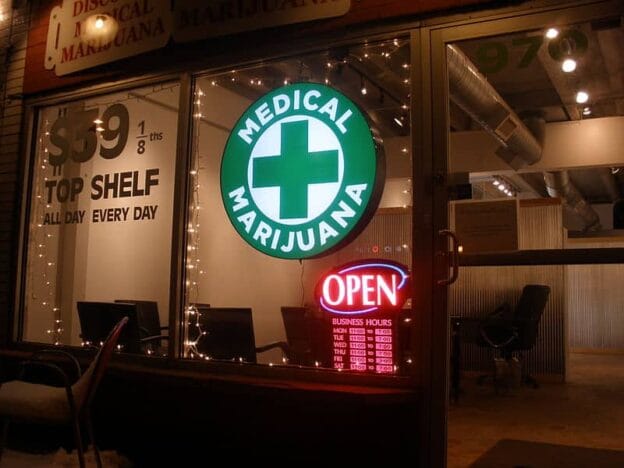
    Medical marijuana bills have legally been adopted in numerous states and even the federal government in the District of Columbia and, as most know, Colorado and Washington have fully legalized marijuana for recreational use by adults.

    “This is grounding breaking,” said Beau Kilmer, co-director of the Rand Drug Research Policy Center.

    “No modern jurisdiction has ever removed the prohibition on the production and possession of marijuana for recreational purposes…since no one has done this before, there are a lot of uncertainties.”

    There are several opinions against marijuana use in general and on the opposite side, you will hear positive arguments about marijuana. A good example is to take a look back at our history (we’ve all heard “history repeats itself”) and looks at the prohibition of alcohol.

    Alcohol was considered evil, so the government made it illegal and that was what provided the foundation for the mob to make millions of tax-free money. Or that by having a positive medical marijuana vote to legalize its use, it would then increase tax revenues for the government and not make it as profitable on the black market to discourage where most of the marijuana is sold today.

    Cannabis Politics & Future Changes


    medical marijuana voteYou might have heard of the recent actions of Congress Representatives Blumenauer and Polis released a report outlining the need for federal marijuana law reform, titled “The Path Forward: Rethinking Federal Marijuana Policy.”

    An effort is building in Congress to make a marijuana vote that would change United States’ laws, including moves to legalize the production of industrial hemp and create a federal tax.

    It introduces federal measures to legalize cannabis that would allow states and voters to decide if they will regulate marijuana like alcohol. Ending marijuana prohibition by regulating it like alcohol is said that will generate tens of millions of dollars in tax revenue for state and local governments in this growing industry.

    Allen St. Pierre, executive director of NORML, a national group that lobbies for legalization, said he has heard from friends and family already planning trips to Colorado for the “cannabis tourism” that will certainly become popular.

    It is necessary to consider how recreational marijuana and your medical marijuana vote are creating a unique industry in the United States and how it will impact parents, heavy users, medical users, employers, state and local economies, and even drug traffickers.

    Let us know what you think.

  • What Is Medical Marijuana Used For???

    What Is Medical Marijuana Used For???

    Over the years, organic foods and natural medicine have become a popular approach to a healthy lifestyle along with using herbal therapies to relieve everything from chronic pain to depression.

    Alternative therapies such as herbs, aromatherapy, chiropractic, acupuncture, and many more natural treatments are now common replacements for traditional doctor visits. And another form of alternative healing that is becoming a standard for patients is medical marijuana.

    Let’s see what Wikipedia says about what medical marijuana is used for…

    According to Wikipedia’s Medical cannabis Wiki page, “…what medical marijuana is used for refers to the parts of the herb cannabis used as a physician-recommended form of medicine or herbal therapy, or to synthetic forms of specific cannabinoids such as Tetrahydrocannabinol (also called THC).

    The cannabis plant has a long history of use as medicine, with historical evidence dating back to 2,737 B.C. Cannabis is one of the 50 “fundamental” herbs of traditional Chinese medicine and is prescribed for a broad range of indications.”

    …that’s a little confusing and doesn’t answer the question of what is medical marijuana used for.

    What do the experts say about medical marijuana?

    Let’s hear what the American Medical Association (AMA) says, the largest association of physicians and medical students in the United States when they recently supported medical marijuana in a report called “Use of Cannabis for Medicinal Purposes”. 

    The report “…urges the National Institutes of Health (NIH) to implement administrative procedures to facilitate grant applications and the conduct of well-designed clinical research into the medical utility of marijuana.”


    Our best “good answer” to the question “what is medical marijuana used for”what is medical marijuana used for

    Marijuana is one of the most beneficial and therapeutically active substances known to man. Wherever the use of marijuana for medicinal purposes is legal, doctors tend to recommend it as an herbal therapy to treat chronic diseases and health conditions, most notably as an antiemetic (a drug that is effective against vomiting and nausea).

    There are many medical conditions and symptoms that cannabis is used to treat. The most common ones are:

    • Arthritis
    • Cancer
    • HIV/AIDS
    • Hepatitis C
    • Glaucoma
    • Multiple Sclerosis
    • Cerebral Palsy
    • Spinal Cord Injuries
    • Epilepsy
    • Attention Deficit Hyperactivity Disorder (ADD/ADHD)
    • Crohn’s Disease
    • Fibromyalgia
    • Migraines
    • Parkinson’s Disease
    • Depression
    • Post-Traumatic Stress Disorder (PTSD)
    • Nausea
    • Loss of Appetite
    • Chronic Pain
    • Anxiety
    • Insomnia
    • Inflammation
    • Muscle Spasms

    So how do you medicate using medical marijuana?

    There are several ways to use cannabis (medical marijuana), each with a different time of onset, duration, and quality effect. Some methods may be more effective than others for certain symptoms and conditions, and they may be preferable in certain circumstances.

    • Smoking is one of the fastest and most efficient ways for patients to experience the therapeutic effects of cannabis.
    • Vaporizing is another form of inhalation – when cannabis is vaporized, a vapor is produced rather than smoke, and the vapor can be inhaled.
    • Cannabis can also be eaten or swallowed – it is fat soluble, and the active ingredients can be extracted from butter, oils, or milk, which the patient can then eat or drink.
    • Cannabinoids are minimally soluble in water; cannabis tea provides a less potent alternative with unique properties that may be suitable for some people.
    • Other methods of use include topical ointments.

    The popularity of patients using (medicating) medical marijuana is on the rise. Cannabis can be used to treat a wide variety of medical conditions and symptoms, as well as the side effects of pharmaceutical medications.

    In some cases, cannabis may be more effective than pharmaceutical options and have fewer negative side effects. With more states legalizing medical cannabis each year, cannabis is increasingly being used as a herbal therapy to help treat chronic diseases and health conditions.

    Let us know what you think.

  • Marijuana History

    Marijuana History

    Cannabis and marijuana history (also known as hemp) started when it is indigenous in Central and South Asia. Contemporary uses of cannabis are as a recreational or medicinal drug, and as a part of religious or spiritual rites; the earliest recorded uses the ate from the 3rd millennium B.C.

    The Chinese Emperor Fu His (ca. 2900 B.C.), whom the Chinese credit with bringing civilization to China, seems to have referred to “Ma”, the Chinese word for Cannabis, noting that Cannabis was a very popular medicine that possessed both yin and yang.

    Around 2000 B.C., the Egyptians used cannabis to treat sore eyes. And then a century later, doctors in India could be found mixing marijuana with milk to use as an anesthetic. In 200 B.C. the Greeks used marijuana to remedy earaches.

    During the Middle Ages, hemp was central to any herbalist’s medicine cabinet. William Turner, the naturalist considered the first English botanist, praised it in his New Herball, published in 1538.  It was in the early 1600s when Jamestown settlers brought the marijuana plant, commonly known as hemp, to North America, and throughout the colonial period, hemp fiber was an important export.

    Such notable use for cannabis slowed to a screeching halt and was temporarily removed from marijuana history after 1937 when the Marihuana Tax Act effectively banned the drug in the United States.


    The History of Marijuana Is Misunderstood

    marijuana historyIt is a good thing that debates have paved the way to discover that it has many good uses more than what’s been described since Congress passed the Controlled Substances Act in 1970 that classified marijuana as a drug with “no accepted medical use”.

    It was in the same year that NORML (National Organization for the Reform of Marijuana Laws) was founded as a nonprofit, public-interest advocacy group whose mission is to end marijuana prohibition.

    Marijuana history was made in America on November 5th, 1996 when voters in California passed a state medical marijuana initiative known as Proposition 215. The legislation permits patients and their primary caregivers, with a physician’s recommendation, to possess and cultivate marijuana for medical use.

    Today 60% of Americans support legalizing marijuana for medical use, according to an April 2010 AP-CNBC poll. Many more states now allow the usage of marijuana for certain medical conditions thus giving birth to the term medical marijuana and paving the road for the legal cannabis industry.

    Many medical studies have shown that marijuana can help people suffering from a variety of medical conditions. Tumor cells growing in some areas of the body have been scientifically proven to decrease through marijuana use.

    Many states are willing to let it help the American economy by imposing taxes on it. People who have been supporting the use and growing of marijuana are expecting that the law changes will soon make their dream happen.

    A “New History” For Marijuana

    Many marijuana supporters continue to lobby for the widespread legalization of the plant so that many people can reap its benefits.
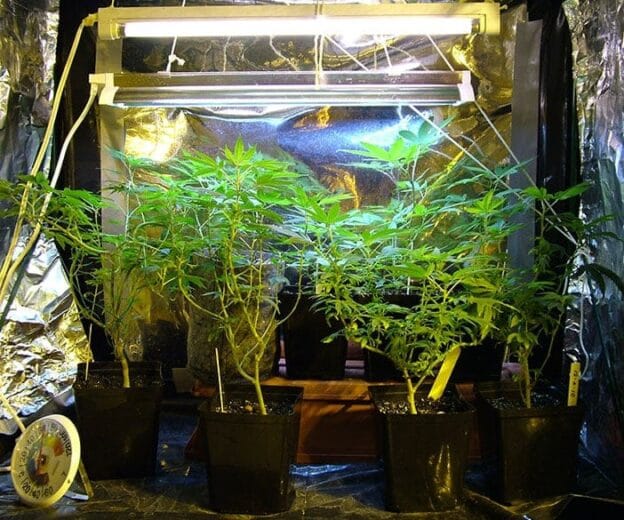

    People may have to wait before the decision on legalizing marijuana may happen in all states of America as different kinds of research are still being done to explore thoroughly its use and effect.

    As depicted by marijuana’s mixed history, these researchers are also keen on trying to stay away from the plant’s controversial past. And internationally, there are quite a few countries where people can use marijuana freely.

    Argentina, Belgium, Canada, Germany, Holland, and Israel are just some of the countries where people can use marijuana recreationally and without worrying about legal consequences.

    At the present, the states of Colorado and Washington are now giving their residents certain freedoms regarding the recreational use of marijuana. Marijuana history in the United States is just beginning to be made due to the changes in state laws that allow for medical marijuana and dispensaries to be in business as long as laws have complied.

    Let us know what you think.

  • Growing Medical Marijuana

    Growing Medical Marijuana

    “How do you grow marijuana” is becoming a common question. Marijuana is grown indoors and outdoors and around the world in many climates. Marijuana requires an abundant amount of outdoor sun or artificial light indoors to grow healthy.

    Growing medical marijuana is becoming increasingly common in states throughout the United States and countries around the world as laws allow patients to use marijuana for medicinal purposes.

    Even Wikipedia’s cannabis cultivation page “presents common techniques and facts regarding the cultivation of the flowering plant cannabis, primarily for the production and consumption of marijuana flowers.”

    Before you start growing medical marijuana you will want to check the legislation and figure out what’s within the law for your state, otherwise, there are a few basic things you should know about growing cannabis when you first start. Here are some tips to help you avoid some first-time mistakes growing medical marijuana.


    Growing Equipment

    To grow the best medical marijuana product possible, you’ll need the right supplies. New growers frequently commit themselves to unrealistic and expensive first grows. It is much more efficient to learn to grow and purchase more equipment as you gain more experience, rather than invest in high-end equipment in the beginning.

    Remember, the K-I-S-S Method: “Keep It Simple Stupid”


    growing medical marijuanaWatering and Nutrition

    Overfeeding nutrients is extremely common for beginners growing medical marijuana. When all else fails, follow the directions on the nutrition label. Watering is very important for plants. Overwatering kills marijuana plants. A marijuana plant should not have wet soil, only moist one.

    Before you water your soil, measure how dry or wet it is. To promote healthy growth remember to regularly water your marijuana plant once the top few inches of the soil dry out.


    Starting With Seeds/Clones

    As for people who are first-timers in growing medical marijuana, it is advisable for you to start with seeds and not with clones. If you start with marijuana clones, you will then set yourself early on with the problem of bug infestation. NEVER grow seeds from a seeded marijuana plant (hermaphrodite seeds) unless you are prepared for possible disappointments.

    This is the #1 reason why people buy marijuana seeds from seed banks. Whether you start from seeds or clones, you decide to choose which method you prefer to use and what resources you have available to start growing medical marijuana.

    Good Plant Environment

    Marijuana grown outdoors should be planted in a location that receives at least eight hours of sun each day. Areas that get early morning and afternoon sunlight are the best. If you’re growing marijuana indoors, location is very important in growing medical marijuana.

    You will need to either find a place that gets a lot of sunlight (ex. greenhouses) or invest in some grow lights to ensure that your plants get the appropriate amount of light. Longtime marijuana growers will advise that the basement is the perfect place to grow your plant because managing the temperature will be easier.

    However, as long as you can control the humidity, temperature, and ventilation of your location, you can start growing medical marijuana on your own far from a basement.


    Growing Marijuana With Soil & Hydroponics

    Marijuana can grow directly from the soil or through a system called hydroponics. Hydroponics is harder to over water than soil, due to the abundance of oxygen around the roots. If you choose to grow in soil, it will be best to prepare a pot with fertile soil.

    Clean the pot then start peat moss filling the pot’s bottom area, but make sure to fill it to about an inch as it will help in draining off the buildup of any nutrients. You can now start filling the pot with some fine soil.

    Both are good methods but each has its advantages and disadvantages. Consider what will best work for you and your location before choosing a system for growing medical marijuana.

    So, how do you grow marijuana? There are still many things you have to consider before growing medical marijuana.

    Depending on what type of results you are looking for, you can use elaborate lighting and watering systems to grow marijuana, although it is not necessary to grow marijuana. As long as the plants get enough light, are planted ingood-qualityy soil, and are watered regularly, they will likely flourish.

    Lastly, don’t ever tell anyone about growing medical marijuana that does not need to know. How can you expect anybody else to keep a secret that you cannot keep? To thoroughly understand everything to make your first-time planting successful, you may want to consider avoiding many of these first-time mistakes.

    Let us know what you think.

Do NOT Grow Another Plant Until You've Enrolled Into This! 💯
Cannabis Horticulture
A Carefully Curated Cultivation "Crash Course" On Everything You Need To Crank Out High-Yielding, "Cannabis-Cup Winner" Flowers That'll Generate HUGE Crops All-Year Long
Crafting Cannabis-Infused Edibles Takes MORE Than Ingredients... 🍽️
Edible Cannabis Products (100% FREE Training)
Enthusiasts Face Challenges Navigating An Ever-Expanding Array Of Cannabis Products & Delivery Methods From "Raw Flower" Smoothies To Infused-Edibles, Cannabinoid-Based Drinks + MORE.