Category: What’s New

  • Emerging Cannabis Markets

    Emerging Cannabis Markets

    Cannabis sales data from 2020 is in, and BDSA announced that the global cannabis market reached nearly $21.3 billion in 2020, an increase of 48% over 2019.

    In any year, this growth rate is admirable but to have this growth during a global pandemic in 2020 shows the resilience of the cannabis sector.

    Global cannabis sales are projected to reach $55.9 billion in 2026, equating to more than a 17% Compound Annual Growth Rate (CAGR) from 2020. This past election gave new momentum to the Cannabis Industry, propelling it toward the future of broader legalization that continues to unfold.

    In November, voters approved legalization ballot measures in Arizona, Mississippi, Montana, New Jersey, and South Dakota. Since then, lawmakers across the country are developing and passing legislation to expand existing programs and create new ones.

    After November’s election, the momentum toward broader legalization continues to build. Lawmakers across the country are developing and passing legislation to expand existing programs and create new ones. Below are some of the current emerging opportunities across North America.

    Arizona

    • Before the March 9, 2021 deadline, three-hundred and seventy-seven (377) applicants, each paid a $25,000 non-refundable application fee to the state for a chance at thirteen (13) new Marijuana Establishment licenses. These licenses are for sparsely populated counties with fewer than two (2) licensed Marijuana Establishments.
    • The Arizona Department of Health Services is currently developing the rules for twenty-six (26) social equity Marijuana Establishment licenses. Municipalities are tasked with setting local regulations prior to April 5, 2021, and draft social equity rules will most likely be released in April.
    • Considering there are only one-hundred and thirty (130) licensed Marijuana Establishments to date and there were nearly four-hundred (400) applicants for thirteen (13) licenses in rural counties, the social equity licenses will be extremely valuable. The upcoming social equity licensing round will be the last chance to get into Arizona’s cannabis market for quite some time.

    California

    • Nearly fifty (50) municipalities are in the process of developing and implementing commercial cannabis ordinances, including Costa Mesa, Encinitas, and Monterey.

    New Jersey

    • On February 22, 2021, Governor Phil Murphy signed the implementation bill officially launching the state’s adult-use program.
    • Licenses will be made available for Growers, Processors, Wholesalers, Distributors, Retailers, and Delivery once rules are adopted.

    Massachusetts

    • Marijuana Courier (delivery-only) licenses are currently available for social equity applicants.
    • Marijuana Delivery Operator licenses (wholesale purchaser and delivery business) are in the works and will soon be available to social equity applicants.

    Michigan

    • As of March 1, 2021, applicants no longer need an active medical marijuana permit to be eligible for the following adult-use license types:
      • Marijuana Retailer
      • Marijuana Processor
      • Class B Marijuana Grower
      • Class C Marijuana Grower
      • Marijuana Secure Transporter

    Mississippi

    Virginia

    • On February 27, 2021, Virginia lawmakers passed legislation legalizing a commercial, recreational cannabis program. Gov. Ralph Northam is expected to sign the bill.
    • Gov. Northam may push lawmakers to speed up the rollout of adult-use cannabis in the state.

    Additional States

    Mexico

    • On January 12, 2021, the regulations for Mexico’s medical cannabis program were officially published in the country’s Official Gazette.
    • Opportunities are now available to secure medical cannabis production, manufacturing, quality control laboratory, and import/export licenses.
    • Last week, the Senate Chamber of Deputies approved a bill to legalize the adult-use of cannabis, the bill is now en route to the full Senate for a vote.

    Let us know what you think.

  • Approved West Virginia Office of Medical Cannabis (OMC) Training Provider

    Approved West Virginia Office of Medical Cannabis (OMC) Training Provider

    Green CulturED is authorized by West Virginia’s Office of Medical Cannabis (OMC) through the Department of Health and Human Resources (DHHR) to provide our two (2) hour cannabis industry training certification.

    (Review Our Approved West Virginia Industry Training)

    Our team is overly excited to be a part of this endeavor and looks forward to providing the required courses needed to be compliant with West Virginia medical cannabis laws.

    Those working in West Virginia’s medical cannabis industry will need to undergo two (2) hours of online training. The training is the latest step toward getting the state’s program operational. Those working in West Virginia’s medical cannabis industry will need to undergo online training which is the latest step toward getting the state’s years-delayed program operational.

    The West Virginia Medical Cannabis Act permits West Virginia residents with a serious medical condition to procure medical cannabis for certified medical use in the following forms: pill; oil; topical forms including gels, creams, or ointments; a form medically appropriate for administration by vaporization or nebulization, dry leaf or plant form; tincture; liquid; or dermal patch.

    Course participants will be educated regarding West Virginia medical cannabis law, rules, and policies, as well as how to recognize and report unauthorized activity, proper handling of medical cannabis, proper record keeping, prevention and detection of the diversion of medical cannabis, transportation, dispensing, emergency preparedness procedures, chemical handling, inventory control systems, storage, security, reporting requirements, and health and safety considerations.

    Successful completion requires participants to pass each training section with a grade rate of 70%. The subject matter of the West Virginia industry training course shall include all of the following, but not be limited to these cannabis training topic requirements:

    1. The provisions of the West Virginia Medical Cannabis Act and the administrative rules are relevant to the responsibilities of principals and employees.

    2. Methods to recognize and report unauthorized activity, including diversion of medical cannabis for unlawful purposes and falsification of identification cards.

    3. Proper Handling of Medical Cannabis

    4. Proper Recordkeeping

    5. How to Prevent and Detect the Diversion of Medical Cannabis

    6. Best Practice Security Procedures

    7. Best practice safety procedures, including responding to the following:

    • Medical Emergency
    • Fire Emergency
    • Chemical Spill
    • Threatening Events (including armed robbery, burglary, and criminal incidents)

    Here at Green CulturED, we developed our West Virginia two (2) hour medical cannabis training required course which will be composed of four (4) “micro-learning” cannabis industry modules:

    1. West Virginia Medical Cannabis Act

    2. Preventing & Detecting Diversion

    3. Valid & Fake Identification

    4. Safety & Security Best Practices

    The West Virginia two (2) hour medical cannabis industry training course is required to be approved by the West Virginia Department of Health and Human Resources (DHHR), Bureau for Public Health, and Office of Medical Cannabis (OMC) to make sure it satisfies the educational requirements to work.

    (Review Our Approved West Virginia 2-Hour Industry Training)

    West Virginia Medical Cannabis Legal Landscape

    Medical Cannabis Regulatory Authority

    The Office of Medical Cannabis (OMC) will implement the program, including developing rules, inspecting medical cannabis businesses, processing applications, and issuing patient Identification (ID) cards and business licenses. The law also created an advisory board established to make recommendations to the bureau. The board will include law enforcement members, physicians, a horticultural expert, and one patient advocate as well as the board recommended allowing access to dry leaf or cannabis’ plant flowers.

    Medical Cannabis Limitations

    The only types of medical cannabis allowed initially were pills, oils, gels, creams, ointments, tinctures, liquid, and non-whole plant forms (ex. “dry leaf or plant form”) for administration through vaporization. Dispensaries cannot sell edibles, but medical cannabis products could be mixed into food or drinks by patients themselves. Vaporization (or oils) is allowed, but smoking is prohibited. Patients may only obtain a thirty (30) day supply of medical cannabis at any given time.

    Medical Cannabis Access

    Home cultivation is not allowed. Patients will be allowed to obtain cannabis from regulated dispensaries once they are up and running. In addition, the bureau may enter into agreements with other states to allow terminally ill cancer patients to buy medical cannabis in another state.

    Per Se DUID Law

    Patients will be forbidden from driving and from undertaking some other activities if they have more than three (3) nanograms of Tetrahydrocannabinol (or THC) per milliliter of blood serum. This standard could make it illegal for some patients to ever drive since many patients have THC levels at this amount or greater many hours or days after last administering medical cannabis.

    Medical Cannabis Businesses

    The bureau will issue up to ten (10) grower permits, up to ten (10) processor permits, and no more than one hundred (100) dispensary permits. It will also regulate testing laboratories. Medical cannabis organizations will be required to use seed-to-sale tracking of cannabis and to meet rules regarding delivery, transportation, recordkeeping, security, and surveillance in the state of West Virginia.

    Local Medicinal Cannabis Bans

    Counties may ban medical cannabis businesses entirely or may limit their locations within the county.

    Legal Medical Cannabis Protections

    A registered patient or caregiver is protected from arrest, prosecution, and the denial of other privileges. Employers may not discriminate against a person for their status as a registered patient, though they do not have to accommodate employees’ on-site use. The bureau will promulgate rules regarding medical cannabis at schools, daycares, and other public spaces where use is limited.

    Research Medical Cannabis Licensees

    The bureau is directed to set up a medical cannabis research program with a vertically integrated health system – which provides the complete spectrum of care – and perhaps academic medical centers. The cannabis provided in this program would be funded from the taxes and fees levied on patients in the rest of the program.

    New Medical Cannabis Crimes

    Several new crimes are created to penalize medical cannabis diversion and other violations of the law and rules issued under it. For example, physicians intentionally and knowingly certify a person for medical cannabis if the person does not qualify to face a felony. Patients and caregivers who knowingly possess more medical cannabis than are allowed face up to six (6) months in jail.

    Medical Cannabis Taxes & Fees

    Applicants will pay $2,500 per dispensary application and $5,000 per grower or processor application. Registration fees are $10,000 for each dispensary location and $50,000 for growers and processors. A 10% tax is levied on sales from dispensaries to patients or caregivers. Patients are initially charged $50 for an Identification (ID) card, which can be waived for financial hardship.

    Let us know what you think.

  • [NEW] Pregnancy & Cannabis Training “Freshly Released”

    [NEW] Pregnancy & Cannabis Training “Freshly Released”

    The new training is finally here, and the big day has finally come! We just finished releasing our latest and greatest training called “Pregnancy and Cannabis” (see it here).

    Our new mastery training will not only share our PROVEN strategies but also give step-by-step details on how to execute them in the cannabis industry, so they’ll go in-depth into the theory and methodologies behind them.

    And unlike so many other training that sits on the “shelf” and gathers “digital dust,” this will get used… and we’re excited to make the following announcement…

    (Start Our “Pregnancy and Cannabis” Training Now)


    Introducing Pregnancy & Cannabis Training

    What makes our “Pregnancy and Cannabis” training different is that we’re raising awareness among women about cannabis consumption, dosage, and outcomes with relevant evidence and proof about using it during your pregnancy (click here to read more).

    But you can’t simply go to traditional colleges to get this kind of training in the cannabis industry anywhere. You’ll find that pretty much (even other cannabis companies) are either…

    • Not teaching it right at all, or worse…
    • Teaching it, but NOT doing it…

    To teach it and teach it well – you have to be DOING it. The cannabis industry just moves too dang quickly for traditional educational institutions to keep up. Even if they tried, they would fail! That’s why we’re uniquely positioned to provide this training. We do this stuff for a living.

    In this new “Pregnancy and Cannabis” training you will learn (read more information here):

    • You will discover several clinical research and findings that report the effect of cannabis during the first trimester, on childbirth, and subsequent comparative studies of children up to a certain age having exposure and non-exposure to cannabis.
    • You will explore the effect of cannabis on fetus development; brain and neurodevelopment; psychological and receptive language development of a child, along with other detrimental outcomes on both pre and post-pregnancy.
    • You will acquire information essential to pregnant women regarding cannabis consumption.
    • You will have a greater level of understanding regarding the implications of cannabis on fertility, breastfeeding, sex, and relationships.

    We have supported learners and businesses in dozens of niches and verticals within the cannabis industry, and we work every day to systemize our solutions so we can pass this from us to YOU!

    (Start Our “Pregnancy and Cannabis” Training Now)

    Our Mission & Industry Impact

    Our stated mission is to train 1,000,000 individuals over the next 5 years in everything about the cannabis industry. We know we won’t hit that goal unless we equip you with the knowledge that’s required to be successful. And as you’ve already seen, cannabis training alone isn’t enough.

    It’s time for eLearning to grow up in the cannabis industry. “Cannabis lovers” need this. Industry workers need this. Business owners need this. You need this… over the last few months, we have been tirelessly working to improve our eLearning solutions and we believe that this new cannabis training will help you become effective and efficient.

    So, what is “Pregnancy and Cannabis” training all about? You can check it out for yourself by directly accessing it via your Learning Center or by enrolling right NOW. Simply go here to access our new cannabis training:

    Click HERE to Check Out Our New “Cannabis & Pregnancy” Training >>

    If you’re a “cannabis lover” or professional, you need to distinguish yourself from the pack. Just look around… Everyone is calling themselves a “marijuana guru”… “cannabis expert”… you get the idea…

    So how do you stand out from the competition? More importantly… how do those who would hire you know that you know what you’re talking about? How can they judge that you are a true professional?

    By taking this training, you will learn what you need to know, what you’re talking about, and that you are a true cannabis industry professional.

    Enjoy our new training and happy learning!

    – Green CulturED Team


    P.S. You’ve got to be okay with uncertainty in the cannabis industry since it is ALWAYS changing…

    And we have been working with our community via our Platform Roadmap (click here) to “fix” these uncertainties… we know that there is no way our team possibly knows everything that you need – you will hit surprises, challenges, and opportunities along the way when working in cannabis.

    That’s why we have our Platform Roadmap, it helps our team to factor in these uncertainties and completely removes them when you contribute to your “ideas” it allows us to change course quickly when necessary… so please add your “ideas” or VOTE on current ones… remove uncertainties now…

    Let us know what you think.

  • Cannabis Use and Pregnancy

    Cannabis Use and Pregnancy

    Many pregnancy-related symptoms, such as increased stress levels, repeated bouts of nausea, and a limited appetite, are often effectively combated by cannabis in non-pregnant individuals. But is consuming cannabis a reasonable therapeutic strategy for expecting mothers who experience challenges during and after pregnancy?

    (Check Out Our “Pregnancy & Cannabis” Training Here)

    Additionally, pregnancy-related complications don’t just disappear once the baby enters the world. Many postpartum mothers experience profound anxiety and depression, they’re left in pain, and sleep goes to hell. Is there harm in consuming cannabis through the pregnancy and postpartum periods, and if so, what strategies exist to mitigate risks?


    Developing Fetus & Cannabis Risks

    In a 2020 study done in California, around 11% of women reported using cannabis while pregnant, a near doubling of pre-legalization levels: 6% vs. 11%. But one major limitation of this epidemiological study is that it doesn’t control for cannabis composition – it’s not strain-specific or controlled for Tetrahydrocannabinol (THC) levels.

    This is just one study of many that are limited because they don’t capture Cannabidiol (CBD) use, nor do they reliably consider the use of additional drugs such as nicotine and caffeine. Consequently, it’s difficult to parse out the effect of cannabis alone on birth outcomes and child development. The effects of cannabis usage during pregnancy on the developing fetus and the child’s behavior later in life are inconsistent. In part, the timing of cannabis use during pregnancy may be associated with unique impacts.

    The Cannabinoid Type-1 (CB1) Receptors that THC activates to make you feel high are present in significant quantities at 19 weeks of gestation (if they’re present by 19 weeks then they were developing before that and we don’t know at what fetal age they can be activated or to what degree), but they’re in the same location(s) as the adult brain.

    In rhesus monkeys, THC readily crosses the placenta and can be detected in fetal blood within 15 minutes of the mother’s use. Still, CB1 Receptors and the rest of the Endocannabinoid System (ECS) have a substantial role in brain development. For instance, they may influence how brain cells develop, tell them where to go, which ones to connect to, and what to look like.

    The activation of CB1 receptors plays an important role in brain development that could be substantially disrupted by THC if the mother consumes cannabis while pregnant. Or so the theory goes. Additionally, if the mother had traditionally been a cannabis consumer and stopped during pregnancy, these negative effects disappeared, suggesting that cannabis directly impacts fetal development.

    Notably, these findings haven’t been consistently replicated. A recent 2020 study of California mothers found no clear impacts of cannabis use on these neonatal outcomes. Together, these findings highlight the immense variability in cannabis’ effects on the fetus and developing child.

    (Check Out Our “Pregnancy & Cannabis” Training Here)


    How Your Diet Has An Effect

    For one, these are merely observational studies and therefore don’t control for things like frequency of use, dosing, or lifestyle differences, such as diet. While there’s little research on how diet interacts with cannabis and affects the developing fetus, one study identified a potential protective effect of dietary choline against harm caused by gestational Tetrahydrocannabinol (THC) exposure.

    Choline is an essential nutrient found in many foods such as eggs, meat, and potatoes. The body can produce its choline but it’s normally not enough, especially for the developing brain which requires choline synthesis for an important developmental brain chemical, acetylcholine.

    A team led by Dr. Camille Hoffman, an OBGYN practitioner in Denver, Colorado, tracked maternal choline levels in over 130 women since 2013 and assessed their newborns after birth. Although they observed that cannabis use during the first trimester was associated with behavioral abnormalities, the children of cannabis-consuming mothers with the highest choline levels had better self-regulation, improved attention span, cuddled more, and bonded better with their parents.

    In an interview with Dr. Hoffman, she’s quick to point out that increasing choline in one’s diet is not a sure path to safety. However, based on her research, Dr. Hoffman recommends that expecting mothers should consume around nine hundred (900) milligrams (mg) of choline daily through either diet or supplement to mitigate the potentially harmful effects of gestational THC exposure.


    Cannabis & Other Substances

    When considering the research on moderate cannabis use among pregnant mothers, Dr. Hoffman stated that the effects observed on fetal brains are still subtle. “People make all kinds of good or bad decisions and cannabis doesn’t seem to be as bad as [other drugs of abuse],” she said. “Yes, there are emerging data that we should be using caution… but it’s probably not as bad as the things that we know are detrimental, such as alcohol.”

    Yet, some factors exacerbate cannabis’ effect on the developing fetus. Dr. Hoffman highlighted that using several substances may be substantially worse than one alone. For instance, in one study, the co-use of tobacco and cannabis had double the impairing effect on the infant’s ability to self-soothe compared to infants from tobacco-only users.

    While this effect was more pronounced in girls, another study found that tobacco and cannabis co-use led to a more substantial dysregulation of the infant stress response in boys – males from cannabis + tobacco-using mothers had 35% lower cortisol responsivity and 22% lower responsivity from tobacco-only-using mothers compared to non-users.

    Why co-use of tobacco worsens outcomes in a sex-specific manner remains unknown, but it highlights the potential problems with using multiple substances to treat symptoms. So while many mothers may use several medications to treat pregnancy-related symptoms (ex. anxiety, nausea, sleep, etc) Dr. Hoffman suggests that the interactions between all these medications may carry their risks.

    (Check Out Our “Pregnancy & Cannabis” Training Here)

    Brain Development & Mental Health

    Many lab animal studies have demonstrated that Tetrahydrocannabinol (THC) has harmful effects on brain development. In many instances, however, the studies only model extreme usage of high levels of THC and don’t accurately model more common usage patterns of traditional whole-plant cannabis.

    Nonetheless, studies highlight the vulnerability to THC of brain regions involved in impulse control, executive functioning, emotional development, and reward processing. Consistent with THC impacting these brain regions, several of the more comprehensive assessments of gestational cannabis use have found that children of cannabis-using mothers are more likely to be impulsive, hyperactive, have poorer abstract reasoning, and have worse executive functioning.

    A child’s mental health may also be affected by maternal cannabis use. Ten-year-old children in one cohort self-reported higher levels of depression if their mothers engaged in heavy cannabis use during the first trimester. This is notable because approximately 70% of Colorado dispensaries recommend cannabis during the first trimester to help combat nausea so there is a need for more cannabis education.

    Many parents are justifiably concerned about the long-term behavioral consequences of cannabis use, but controlled human experiments aren’t in the future. Correlation does not equal causation, so one must be careful placing causal blame on any one factor in complex behavioral outcomes.

    Although some may attempt to limit risk by transitioning to products higher in Cannabidiol (CBD), scientists still have little understanding of the long-term consequences that CBD has on the more than 65 targets in the brain and body of the fetus. While the harm of maternal cannabis use is far from consistent, there is no clear evidence of safety either.


    Secondhand Cannabis Smoke Exposure Risk

    Once the baby arrives, the newborn can still be exposed to cannabis through breastmilk and secondhand smoke. In one study, Tetrahydrocannabinol (THC) and its metabolites were detected in adults in trace amounts from secondhand cannabis smoke.

    While these low levels aren’t likely to be impactful to a child, repeated exposure to secondhand cannabis smoke can build up over time due to the fat-soluble nature of THC and other cannabinoids.

    Another study demonstrated that despite the low level of THC transfer by secondhand smoke with a potency of 11.3% THC, it was sufficient to cause mild subjective effects in adults. However, these effects were minimized by improving room ventilation.

    (Check Out Our “Pregnancy & Cannabis” Training Here)


    Cannabis Exposure Risk From Breast Milk

    Breast milk is another source of cannabinoid transfer to the infant. Tetrahydrocannabinol (THC) can be detected in breast milk for up to six (6) days after smoking. However, in some cases, there’s no transfer of THC at all. It’s unclear at this point what factors lead to the transfer of THC in some cases but not others.

    Variability is also observed in the proportion of THC that gets transferred. One study found that the breast milk of regular cannabis-using mothers contained 2.5% of the 0.1 grams of about 23.2% THC-rich cannabis they inhaled.

    THC was detected within the first 20 minutes of inhaling and peaked around one (1) hour after use. Importantly, the variability of THC transfer across mothers was immense, ranging from 0.4% (a little) to 8.7% (a lot).

    There are no clear predictors at this time for where people will fall along this spectrum, but it is estimated that the infant’s exposure dose would be about 1,000 times lower than the mother’s. Whether that’s a significant amount to impact the child’s brain development remains unknown.


    How Can Cannabis Help You

    Despite the risk of transferring cannabinoids to the infant, there’s not always a simple right or wrong answer when considering whether to consume. Maternal bonding and infant care can be influenced by several factors, including the mother’s mental health and well-being.

    Up to 85% of new mothers experience the “baby blues” within a couple of weeks after giving birth, and around 15% develop clinical postpartum depression within the first year. Anxiety, poor sleep, and postpartum pain only add to the challenges post-birth.

    The most effective and safest strategies must be considered by balancing risk with benefit. Although there’s increasing evidence that these symptoms may be managed with Cannabidiol (CBD), cannabinoid’s developmental effects remain considerably understudied relative to the known effects of Tetrahydrocannabinol (THC).

    Like many health and safety aspects of cannabis, there aren’t any definitive findings that guarantee its safety or harm. Instead, the true impacts likely fall somewhere between alarmist views perpetuated by medically conservative sources and the very vocal “cannabis is completely safe” contingent.

    Despite decades of tracking children and studying cannabis’ effects in lab animals, our education on cannabis’ effect on the developing human brain is in its infancy.

    Let us know what you think.

  • CBD Product Good Manufacturing Practices (GMP)

    CBD Product Good Manufacturing Practices (GMP)

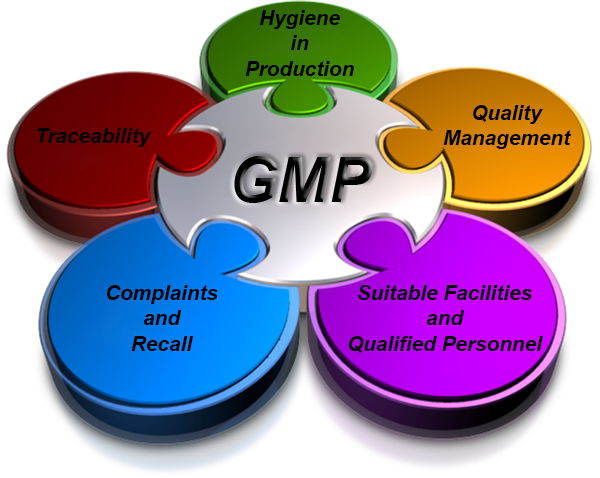
    The world today has generated a huge spike in demand for Cannabidiol (CBD) produced from hemp with less than 0.3% Tetrahydrocannabinol (THC), but it needs to be safe for consumers and it must always be produced according to Good Manufacturing Process (GMP) in the cannabis industry.

    Due to the highly reviewed benefits of CBD, it has become one of the leading trends in natural product manufacturing in the past few years.

    CBD has a beneficial influence on health issues, such as anxiety, pain, or stress. We will be discussing how CBD undergoes the GMP in the cannabis industry, and how CBD is extracted from the hemp plant.


    Organic Cannabidiol Farming GMP

    This is the first stage of Good Manufacturing Practices (GMP) in the cannabis industry, it is because the Cannabidiol (CBD) commodity usually starts in raw strains of hemp or CBD. For hemp to grow effectively the soil must be very rich in nutrients. At this stage, there is a rigid policy for the farming process and the use of the organic methodology.

    The main objective of this stage is to produce natural strains of hemp to supply harmless, consistent, strong, and regulated products. There are certain rules set in the harvest of the hemp plant at the organic farming stage of the process which are as follows:

    • Hemp plants must be pesticide-free
    • The best quality of cannabis should only be used in the production
    • Good packaging must always be considered
    • Authentic seeds are only approved under low-Tetrahydrocannabinol (THC) hemp and are used for the growing and separating of CBD
    • Farmers must have a warranty from the government before cultivating hemp
    • The job can only be given to contract farmers, they must adhere to the rules and regulations set out by the cannabis industry regulators specifically for hemp
    • The hemp plants must be registered and be verified


    CBD Processing & Extraction GMP

    During processing, the cannabis flowers are turned into a powder through grinding and they will be moved to a processing facility. The powder will then undergo processing and extraction to extract the Cannabidiol (CBD) from the hemp material. To extract the hemp from the powder, the following process’ are typically used:

    • The manufacturing of flavorful extract utilizing carbon dioxide extraction
    • Carbon dioxide (CO2) heat and pressure in a controlled degree
    • If olive oil is used, it should be stored in a cool and dim environment
    • If used, high-quality ethanol as an additional extraction material

    CO2 extraction is commonly used for high-quality Cannabidiol (CBD). This is an effective, and accurate method of extraction to produce cannabis-based products that can be consumed or used to apply on the skin.

    Refining Good Manufacturing Process (GMP)

    A cannabis plant has uncertain and variable qualities by nature. The smell, power, and taste of Cannabidiol (CBD) are completely different. These disagreeing characters flow into the end product developing unwanted differences. For it to have a proper result or outcome, the element must be separated, restricted, and enclosed inside an item.

    This is achieved through refining. In the refining process, CBD can be separated to be used in products such as pills, vapes and oil, and topical solutions. Creating different flavors is made possible by adding terpenes.


    Cannabinoid Isolation

    The all-important step in the process is to remove even the smallest or tiniest part of Tetrahydrocannabinol (THC) from the hemp plant. THC is an element from the hemp plant that firstly is illegal when there are amounts above 0.3% of this cannabinoid, and it is a psychoactive ingredient that is commonly related to cannabis.

    Separation of the Cannabidiol (CBD) from the THC can be achieved by using carbon dioxide (CO2) extraction. This results in an isolate which is white powder cannabidiol.

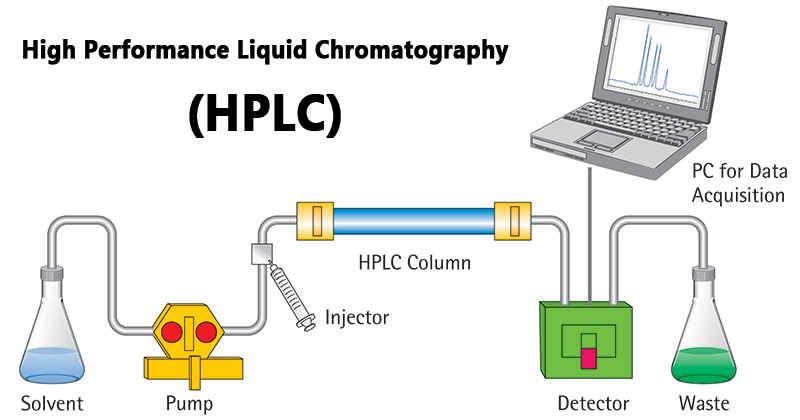
    All products must be tested for quality and strength. A common way of testing CBD is to use a High-Performance Liquid Chromatography (HPLC) machine, which will identify the percentage of CBD, and any other potential ingredients within the Isolate. The HPLC machine will also identify the following:

    • Terpenes and cannabinoids
    • Aflatoxins, pesticides, and mycotoxins
    • Analysis of heavy metals (ex. arsenic, mercury, lead, etc.)

    After the CBD has been tested, a Certificate of Analysis (CoA) can be produced which is a vital regulatory requirement for each batch of CBD produced in the United States. Without a CoA attached to the batch of CBD, this is deemed illegal as it has not been proven to contain less than 0.03% of THC which is a legal requirement for CBD products.

    Let us know what you think.

  • Cannabis Diversion & Operational Security

    Cannabis Diversion & Operational Security

    Diversion of cannabis to individuals not qualified under regulations to purchase or possess it would expose a company to legal risk and undermine its credibility with the community in which it operates (check out our “Detecting and Preventing Diversion” training).

    Below are a few strategies that cannabis business operations can employ to prevent diversion.

    • Appropriate security and access control measures should be implemented in any area of a facility that may contain cannabis. For example, security cameras should be installed in rooms where cannabis will be cultivated, received, examined, stored, processed, or otherwise handled.
    • Cannabis and cannabis products should be tracked from cultivation through the sale and weighed at regular intervals or when appropriate based on changes in custody or form.
    • Operations should maintain controlled-access areas to ensure that only authorized employees handle any cannabis on-site. Comprehensive records of employee activity within controlled-access areas should be maintained to prevent diversion and facilitate the identification of any employee who may attempt to illegally divert cannabis.
    • Staff should be informed of the business operator’s commitment to legal compliance and non-diversion and warned of the consequences (ex. termination, prosecution) of violating laws and established policies and procedures.
    • Post your written non-diversion policy in a prominent location where all employees will see it (ex. a staff break room).
    • Refuse to do business with people or with other operations that are known to divert cannabis.


    Providing Sufficient Security

    Keeping the customers and the communities they serve safe should be cannabis operations’ top priority. To ensure safety, well-run facilities adopt a security plan consisting of a set of practices and strategies that work together to maintain safety and community standards.

    An operation’s security plan may involve the following elements:

    • Employing trained professional unarmed security personnel.
    • Restricting access to the facility to authorized persons.
    • Using appropriate security technology and equipment to monitor and secure the facility (video surveillance, panic buttons, safes, locking doors, etc).
    • Maintaining communication with local law enforcement.
    • Training dispensary staff to prevent and respond to emergencies.
    • Educating staff and members as to their rights and responsibilities under the law.

    Steps should be taken to ensure that all financial transactions remain secure. Protect credit card information, and provide customers with a secure area to make payments. Most retail businesses do cash drops throughout the day, removing excess money from the cash register and securing it in a safe away from where it is collected.

    Risk can be further managed by making bank deposits on a schedule that varies to ensure that no one will become familiar with the deposit schedule. Cash should always be removed from buildings and transported discreetly (ex. in a purse or backpack, tucked under a coat, etc). Businesses may also be able to minimize risk by accepting credit card payments instead of cash.

    Keeping a minimal amount of inventory on hand is also a good precaution. Products not displayed for purchase or being packaged should be stored in a locked safe. The combination should be carefully guarded to prevent unauthorized access. However, there should always be at least one (1) person on site who can open the safe.

    This will facilitate smooth operations and may be imperative for preventing trouble in the event of an armed robbery. Alternatively, facilities may opt for a time-lock safe, which will only open after a predetermined amount of time. Time-lock safes are common tools for stopping or preventing robberies.

    Develop Security Culture

    In this context, “security culture” refers to a shared set of customs among members of a community that is subject to police surveillance. The culture is developed as the following of security protocols is internalized, becoming second nature.

    For example, learning and putting into practice the principle that sensitive information should only be disclosed on a need-to-know basis until that becomes one’s default behavior promotes security both by reducing the risk that sensitive information will fall into the wrong hands and by reducing the number of people with knowledge of the sensitive information that law enforcement officers could attempt to turn.

    It is impossible to overstate the importance of developing solidarity and a “security culture” within the cannabis community given their role in keeping members of the community safer. Law enforcement agents frequently aim to turn people against each other and disrupt the community. Additionally, it’s important to note that the inappropriate sharing of sensitive information in social settings can increase the risk of robbery.

    For example, if some dispensary employees head to a bar after work in clothing that identifies their employer and one casually remarks to the other over drinks that the dispensary’s cash will be transferred to the bank at noon the following day, any would-be robbers within earshot would know when and where to find what could conceivably be a very valuable target.

    Members of the cannabis community mustn’t gossip, brag, or ask about compromising or unnecessary information about cannabis operations and their activities. Although such behavior may be entertaining, it increases one’s risk of arrest and robbery. Before discussing personal involvement in cannabis operations, one must consider whether the other person or people party to the conversation would repeat what they are told to anyone else, either voluntarily or under police coercion and whether that information could be used in criminal proceedings.

    One must also consider whether one would want the other parties in the conversation to have to perjure themselves if called upon to testify, which would expose them to serious risk. Members of the community who are careless in their handling of sensitive information should be spoken to about the importance of maintaining a culture of security.

    Those who continue to gossip, brag, or seek unnecessary information about sensitive topics after repeated corrective talks are grave risks at best. The possibility that they may be law enforcement officers attempting to gather intelligence or entrap others should not be discounted.

    Let us know what you think.

  • Cannabis Product Handling, Storage & Contamination

    Cannabis Product Handling, Storage & Contamination

    You might be asking yourself, “Why do we need to take training on how to handle cannabis-infused products? We already know what we’re doing, and it’s all simple stuff!” Well, do you want to know a secret? You’re right. It is all simple stuff.

    But if you have worked for a bunch of different dispensaries and cannabis-infused product manufacturers and more than likely you have seen some scary stuff, even from people who should have known better. So, while handling cannabis-infused products safely may seem obvious, some things might surprise you.

    The point of this type of cannabis training is to show you the basic things you need to do to keep people safe. We’ll learn what a cannabis-infused product foodborne illness is and about the things that can make people sick. We’ll talk about biological hazards, chemical hazards, and physical hazards.

    And we’ll also learn the common behaviors that cause foodborne illness in cannabis-infused products and how it’s a huge problem that knowing the basics could have prevented health concerns. Cannabis products must be handled and stored in proper conditions and staff should bear the applicable points below in mind when handling cannabis.

    • At a minimum, employees should wash their hands with soap and water for at least twenty (20) seconds before handling cannabis plants or unpackaged cannabis products. Ideally, employees would also wear gloves made of latex, nitrile rubber, vinyl, or neoprene when touching plants or unpackaged products. Gloves should be discarded and replaced if they become soiled or accumulate too much resin from cannabis plants or products.
    • Staff with medium-length or long hair should wear a hair net when tending to or harvesting cannabis plants, trimming leaves, processing raw cannabis, packaging dried cannabis, or preparing cannabis products (ex. making cannabis edibles). Employees with facial hair longer than stubble length should wear a beard net when engaging in these tasks.
    • At routine intervals and as otherwise necessary, employees should clean, sanitize (when necessary and appropriate), thoroughly rinse, and dry all surfaces and equipment used for handling cannabis products. They should ensure that all traces of cleaning products are removed from contact surfaces before those surfaces come into contact with cannabis or any other product component.
    • Staff should always store cannabis in airtight containers made from non-reactive, non-absorptive materials (ex. glass, stainless steel, etc.).
    • Employees should store cannabis and cannabis products in a cool, dark, dry location.
    • Employees should ask their supervisor or check product labels to determine whether or not an edible preparation of cannabis should be stored at room temperature (ex. a lozenge) or refrigerated (ex. cannabis-infused butter).
    • Employees should cover their mouths and noses with tissues when they cough or sneeze. If possible, they should leave the area where cannabis is being handled or provided before coughing or sneezing. If tissues are not available, employees should cough or sneeze into their upper sleeves, not their hands. Regardless, employees should wash their hands or change their gloves after sneezing or coughing.
    • Staff should not handle unpackaged cannabis products if they have an infectious disease that poses a risk of contagion to co-workers or patients. They should ask a supervisor or consult with a healthcare professional if they do not know whether an infectious disease poses a risk.

    In addition to these protocols, government workplace safety training also applies so staff and their employers should be familiar with these standards and comply with them.


    Cannabis Product Storage

    Like all plant material, cannabis will naturally deteriorate over time. The plant matter will dry, and the potency and terpene content will be diminished. This process can be slowed down by storing cannabis in opaque, non-reactive, and non-absorptive containers in a cool, dark, and dry location.

    Staff can also help slow the deterioration of cannabis by using these precautions:

    • Do not leave containers of cannabis open when not in use. Lids and bags should be closed firmly to create an airtight seal.
    • Containers that are to be stored for more than two (2) weeks should be vacuum-sealed to preserve the cannabis within. Cannabis should not be vacuum-sealed directly in a plastic bag, as this would squeeze and crush the cannabis.
    • Handle cannabis plants and flowers gently to avoid losing or damaging the resin on the outside of the flowers. This resin contains most of the therapeutically-active compounds in the plant.

    Cannabis and Product Contamination

    Cannabis plants and products are susceptible to contamination by natural and artificial sources at any point in the supply chain. Contaminants may include mold, mildew, pesticides, fertilizers, or any other material that should not be present.

    Cultivation centers must be clean and environmental conditions must be maintained within parameters that prevent the growth of mold and mildew before cultivation begins and throughout the cultivation process.

    This means walls, ceilings, doors, and equipment should be cleaned before planting and maintained throughout the cultivation period. To prevent mold and mildew growth, a cultivation center should carefully control humidity and filter incoming air.

    Experienced cannabis cultivators can detect mildew and some molds with careful inspection of the stalks, stems, leaves, and flowers. The most common mildew, powdery mildew, lives between the cells of the plant and generates a visible white or gray powder as a waste product. By the time the powder is visible, the plant is thoroughly infested and must be destroyed.

    Mold is commonly seen as a black growth on the inside or outside of flowers or on the stems. It may appear dry or moist. Most molds and mildews are not dangerous, but even those that are not considered toxic to the general population may pose a threat to patients with compromised immune systems. Therefore, all cannabis must pass independent laboratory testing for molds and mildews before it is supplied to patients or consumers.

    Chemicals, such as insecticides and fertilizers, are another potential source of contamination. Employing genuine organic growing practices and integrated pest management practices may be among the most reliable ways for cultivators to prevent contamination with chemical compounds.

    Under no circumstances should pesticides or fertilizers be used outside of their labeling instructions. Any application of pesticides should be done by government regulation. Cultivators must strictly adhere to instructions for using these products to ensure that unsafe amounts do not remain on or in the cannabis plant after it is harvested.

    Contamination may also occur at various points throughout the manufacturing, packaging, and labeling processes, such as when equipment is not properly cleaned and sanitized between batches when employees do not practice good hygiene and sanitation, and when the proper steps are not taken to secure entryways, doorways, windows, skylights, ventilation systems, etc. from infiltration by rodents, pests, or other debris and filth.

    Steps should be taken to control pests, such as the use of sticky mats outside key manufacturing areas and the installation and maintenance of filters at critical points in the ventilation system.


    Cannabis Access, Use & Quantities Limits

    Most cannabis laws place limitations on who may access a dispensary. In jurisdictions that have not legalized the adult use of cannabis, only a verified medical cannabis patient or their designated caregiver may visit a dispensary to acquire cannabis.

    Patients should be prepared to show government-issued identification and their patient registry Identification (ID) card or physician recommendation to gain entry.

    Minors are usually not permitted in dispensaries. In the case of a minor medical cannabis patient, a parent or legal guardian must be designated as a caregiver and visit the dispensary on the minor patient’s behalf. A caregiver may not obtain cannabis for his or her personal use unless the caregiver is also a verified medical cannabis patient or the jurisdiction permits the sale of cannabis to adults.

    The jurisdictions that have legalized the sale of cannabis to adults require that individuals be at least twenty-one (21) years of age to purchase and possess it. Thus, dispensary staff must examine all customers’ IDs before granting them entry to the facility. The following are some guidelines for verifying ID:

    • Ensure that the photo matches the person. Compare facial features, such as eye spacing and nose structure, and make sure they are consistent.
    • Verify that the ID is not expired and that there is no evidence of tampering.
    • Check the date of birth to ensure that the person is old enough to legally enter the establishment.
    • Look for security features, such as UV images, holograms, microprinting, laser perforation, and tactile features.
    • Verify that the ID meets the requirements of current government law.

    Every government regulator that allows the sale of cannabis has set its limits regarding how much cannabis a person may purchase in a single transaction and/or within a given amount of time (ex. 30 days).

    Employees should receive cannabis industry training on the quantities permitted in the jurisdiction of operation and on tracking customers’ purchases to ensure that they do not exceed the legal limit. Dispensary staff should know and follow all applicable government laws and regulations when dispensing cannabis.

    Let us know what you think.

  • Cannabis Dispensary Interactions & Customer Education

    Cannabis Dispensary Interactions & Customer Education

    Customer service is a very important part of providing care in a cannabis dispensary. All customers are entitled to friendly and respectful service at ALL times.

    Providing exemplary customer service is good for patrons and the dispensary, and it also helps create a more pleasant working environment for the staff. Consumers who perceive that they are getting good customer service are more likely to treat you well in return.

    A person may arrive with preconceived ideas (about cannabis, the dispensary, providers, and legal issues, for example) that are challenged by their lived experience. For most people, cognitive dissonance passes quickly. Do NOT be surprised, however, if people sometimes seem reluctant, timid, or defensive when they initially visit the facility.

    Good customer service will help them overcome their reservations. The term “cognitive dissonance” is used to describe the uncomfortable mental state that results from conflicting attitudes, beliefs, or behaviors. In a cannabis retail setting, some consumers may be faced with some cognitive dissonance that influences their dispensary experience. There are a few simple things you can do to help create a great customer service experience in the dispensary:

    • Greet everyone when they enter the front door (and again when they enter the sales area if it is a separate room)
    • Acknowledge people who are waiting to be served: “Hi. Come on in. I will be with you in a minute.”
    • Smile and offer eye contact
    • Stop doing routine tasks such as filing, cleaning, or stocking and give your full attention to the customer
    • Do not eat or drink while serving a customer
    • Be patient. Let the person ask questions and make up their mind
    • Do not interrupt the person while they are speaking
    • Adopt a pleasant demeanor – avoid coming off as cynical, distracted, sad, or angry
    • Build rapport, if the customer is receptive
    • Ask how they are doing, feeling, etc., but do not get too personal or take too long
    • Never comment on a customer’s physical appearance, as this may cause an unintentional offense
    • Consider your tone of voice and body language since these can sometimes communicate more than the words you say
    • When the transaction is completed, thank the person for coming in and invite them to return


    Dealing With Difficult Customers

    You will sometimes have to serve an unhappy or unpleasant customer. This is part of the job and CANNOT be avoided. Treat difficult people with the same respect and good service you provide to everyone else. Resist the urge to argue or retaliate, which would just make the experience worse for both of you.

    Some customers may be unsatisfied with their experience at the dispensary, but you may be able to fix the problem and mend the relationship. People have a right to complain, and the staff has a responsibility to resolve reasonable complaints when possible.

    When a customer presents a complaint, listen carefully to what they are saying. It is a good idea to repeat the complaint back to the person so that they KNOW you understand.

    For example, “I hear that you are unhappy with the quality of the medicine you received. Is that right?”

    Let the customer restate the complaint if you misunderstood. How customer complaints are addressed will vary from one workplace to another. All businesses should develop processes and procedures for, and employees should receive training on, the handling of complaints. Discuss complaint resolution with your supervisor. Is there a specific form that you or a customer may fill out that details the nature and aspects of the complaint?

    Does the dispensary offer refunds or exchanges? What should you do if a customer complains about you or a co-worker? In most cases, a sincere apology and a promise to do BETTER next time will help resolve a complaint. Remember that you are apologizing for their bad experience, not necessarily admitting any intent to cause harm.

    For example, “I am sorry you felt disrespected because of my tone of voice. It wasn’t my intention to make you feel that way, but I completely understand how upsetting and frustrating it is to feel disrespected. I will try not to let that happen again.”

    Hopefully, everyone will leave the dispensary feeling good, but in some cases, you will not be able to do what the customer wants. If that is the case, be polite and clear as to why you cannot accommodate him or her. Avoid using phrases like “that is just our policy” or “I cannot help it.” Try offering the person a respectful and complete answer, and a solution, if possible.

    For example, “I cannot accept a credit card with someone else’s name on it because we have to follow the credit card company’s procedures to be paid for the transaction. I can accept a card with your name or cash.”

    Occasionally, you will encounter an irate person. You may not be able to make them happy, but you must still maintain a professional demeanor. NEVER lose your temper at, insult, or provoke a customer; this will make things worse. If you do not think that you can control your reaction to an angry customer, you can ask for help from a supervisor or co-worker.

    You can help de-escalate the situation by speaking calmly. Be reasonable, even if you do not think the customer is. However, you do not have to let an angry customer insult or belittle you, and you should leave the area and notify security personnel if a person threatens you or if you feel that you might be in danger. Cultural competency is an important component of good customer service.

    Be aware that what is considered polite may vary based on one’s background, ethnicity, gender, or religious beliefs. What you consider norms – how close someone stands to you, how loud they talk, whether or not they make eye contact or shake hands, and their approach to other such cultural conventions – may NOT be understood as such by someone with a background that is different from yours.

    As long as the customer’s behavior is not overtly offensive, do not take umbrage if a customer interacts with you and others in a way that differs from what you expect or consider “normal.” Finally, going beyond the fact that there is no room for racism, bigotry, misogyny, or other discrimination in the workplace, it should be noted that cultural competency is an important component of customer service.

    Working With Cannabis Patients Effectively

    Many ailments are invisible to outside observers. When working with medical cannabis patients daily, we can forget that these are people with physical and/or mental illnesses.

    But they are coming to your facility because they NEED relief from their pain or other symptoms. They can seem agitated as a result of their distress.

    Things to consider and keep in mind when helping patients:

    • Treat everyone with dignity and respect
    • Maintain privacy through confidentiality
    • Create a culturally sensitive environment
    • Help patients and caregivers understand products, and delivery methods, and identify educational materials available to them from the dispensary
    • Think about how an illness and its physical symptoms may be affecting a person physically, mentally, and socially
    • Think about how to be respectful of the person and what they may be experiencing

    Positive interactions and rapport-building are ESSENTIAL components of a pleasant experience for patients, but some points to keep in mind while interacting with patients are:

    • Start where the patient is – try and gauge the person’s experience with cannabis and then tailor your information accordingly
    • Don’t reveal too much about yourself and your personal experiences
    • The purpose of the initial interaction(s) is to hear the patient’s story in their own words
    • Don’t judge their experiences against your own

    Skills and traits needed to form GENUINE partnerships with patients:

    • Genuineness: Be real with your patients
    • Acceptance and Respect: Demonstrate kindness, politeness, and positivity in your interactions with patients
    • Trustworthiness: Show that you can be trusted with sensitive information
    • Empathy: Show the customer you understand and share their feelings
    • Cultural Sensitivity: Be mindful that patients may view things differently than you, and seek to understand their perspectives

    Interactions with patients can be both verbal and non-verbal. Strive to make them all POSITIVE! Pay attention to your own and your patients’ non-verbal cues. Some might be unintentional, but they can convey a lot.


    Cannabis Consumer Education

    Cannabis consumers need to be educated as to their rights and responsibilities under the law, the effective use of their cannabis, and how they can ADVOCATE for their own medical and adult-use needs. An informed consumer will make better choices and get the best outcome from their cannabis use.

    Education is a priority in the field of cannabis because legal consumers and patients must carefully obey the law to benefit from its protection. They also must understand how to protect and assert their rights and customers need accurate information about the therapeutic use of cannabinoids, cultivars, dosage, and routes of administration.

    Staff should help foster this learning by participating in the peer-to-peer education process and helping customers locate educational resources or organizations that can be helpful. Empowering consumers to participate in the development and implementation of cannabis policy is CRUCIAL.

    The best outcomes for people result from educated constituents working with policymakers and providers. Customers’ voices and experiences are crucial to evaluating cannabis laws and improving them where necessary. Educated and empowered consumers are also the dispensary’s best asset when it comes to government relations, community outreach, and responding to government interference or intimidation.

    Dispensary staff can contribute to this process by actively promoting printed and online educational materials. These materials may include explanations of the laws regarding cannabis, condition-specific information, explanations about routes of administration, and information about opportunities to PARTICIPATE in policy development and implementation.

    Staff should take a minute with new customers to highlight these resources and ensure that customers know where to find them.

    Let us know what you think.

  • Evolving United States Marijuana Laws

    Evolving United States Marijuana Laws

    President-elect Joe Biden’s Inauguration is happening this week amid a pandemic, security threats, and tension between the shifting administrations. Here’s what the extraordinary presidential term will look like for the cannabis industry, there’s going to be a lot happening!

    President-elect Joe Biden supports marijuana decriminalization, but efforts to legalize cannabis consumption are likely to continue at the state level for now. In 2021, employers will need to review their policies and ensure that they comply with evolving marijuana laws, particularly those covering medical marijuana patients.

    There’s a lot of speculation about whether the new administration will push to legalize marijuana, but more than likely federal legalization is not likely to happen anytime soon. At the federal level, marijuana is listed as a Schedule I drug under the Controlled Substances Act, which means it is deemed to have no medical value and a high potential for abuse.

    The executive branch can reschedule cannabis, but this would have a limited effect. Dispensaries may gain some tax advantages, but recreational use would remain illegal. De-scheduling or legalizing marijuana would take congressional action.

    Although federal changes may come slowly, employers can expect to see speedier actions at the state level. Even states that have already legalized medical marijuana use are expanding their laws to cover more reasons for use and ways to use cannabis (such as smoking and vaping).

    As more states legalize marijuana use, companies with operations across multiple states will be forced to re-evaluate their workplace policies, as well as whether it is still practical to continue spending resources on drug testing.


    Federal Level Uncertainty

    It is noted that the Black Lives Matter movement has emphasized the social justice aspects of decriminalizing cannabis and the effect that its Schedule I status has on certain ethnic groups and impoverished areas.

    Hopefully, lawmakers will consider legislation to legalize marijuana sometime during the Biden administration. However, there are so many other more pressing issues to be addressed during 2021 that it is difficult to say when that might happen.

    Biden and Vice President-elect Kamala Harris have pledged to decriminalize marijuana. “Under a Biden-Harris administration, we will decriminalize the use of marijuana and automatically expunge all marijuana-use convictions and end incarceration for drug use alone,” Harris said during an ABC virtual town hall on Sept. 14, 2020.

    Harris supports the Marijuana Opportunity Reinvestment and Expungement (MORE) Act, which the U.S. House of Representatives passed on Dec. 4, 2020. The act would de-schedule marijuana, remove criminal sanctions, and provide some relief for past convictions.

    Under the MORE Act, states would still regulate cannabis. Although many Democrats support more-lenient marijuana laws, not all House Democrats voted in favor of the MORE Act. Six (6) Democrats voted against it so even with a Democrat majority, there’s no guarantee that the bill will pass.

    Contentious issues also may prove difficult to pass in the Senate, which is split 50-50 between Democrats and Republicans. Harris will cast the tie-breaking vote when the Senate is divided. Congress is more likely to reduce the designation of marijuana from a Schedule I to a Schedule II drug.

    State Laws Focused

    State legalization efforts will continue. In the last election, voters in five (5) states approved marijuana laws. In Arizona, Montana, and New Jersey – where medicinal use is already permitted – voters approved recreational use. Mississippi voters decided to legalize medical marijuana in the state, and South Dakota voters agreed to legalize both recreational and medical use.

    Those laws will take effect in 2021 and thirty-five (35) states have now approved medical use, and fifteen (15) of those states and Washington, D.C., also have approved recreational use.

    Employers need to be aware of how each applicable statute impacts the workplace. Many state medical marijuana laws prohibit employment discrimination against applicants and employees who use medical marijuana, and we can expect to see the courts continuing the trend to protect the rights of medical marijuana users in the workplace.

    While the list of states with recreational marijuana laws is growing, these laws do not contain employment protections for applicants and employees. Although employers may need to revise their drug-testing and accommodation policies, no state law requires employers to tolerate on-the-job cannabis use or intoxication.

    In 2021, it will be really important for employers to keep their eye on the case law, particularly as courts continue to interpret employee protections under medical marijuana statutes.

    Let us know what you think.

  • [NEW] Cannabis Business Plan Writing “Freshly Released”

    [NEW] Cannabis Business Plan Writing “Freshly Released”

    The new training is finally here, and the big day has finally come! We just finished releasing our latest and greatest training called Cannabis Business Plan Writing (check it out here).

    Our new mastery training will not only share our PROVEN strategies but also give step-by-step details on how to execute them in the cannabis industry, so they’ll go in-depth into the theory and methodologies behind them.

    And unlike so many other training that sits on the “shelf” and gathers “digital dust,” this mastery training will get used… so we’re excited to make the following announcement…


    Introducing Cannabis Business Plan Writing

    What makes the Cannabis Business Plan Writing different is that every cannabis business starts with having a written business plan. Whether it’s to provide direction or attract investors, a business plan is vital for the success of your medical or recreational dispensary.

    You will need to illustrate who the owners of the company are, where and how you will operate, the products that you intend to offer your customers, how much money you project that you have the potential to earn, and how much money you will need to get started.

    But you can’t simply go to traditional colleges to get this kind of training in the cannabis industry anywhere. You’ll find that pretty much (even other cannabis companies) are either…

    • Not teaching it right at all, or worse…
    • Teaching it, but NOT doing it…

    To teach it and teach it well – you have to be DOING it. The cannabis industry just moves too dang quickly for traditional educational institutions to keep up. Even if they tried, they would fail! That’s why we’re uniquely positioned to provide this training. We do this stuff for a living.

    We have supported learners and businesses in dozens of niches and verticals within the cannabis industry, and we work every day to systemize our solutions so we can pass this from us to YOU!

    Click HERE to Check Out Our New Cannabis Business Plan Writing >>


    Our Mission & Industry Impact

    Our stated mission is to train 1,000,000 individuals over the next 5 years in everything about the cannabis industry. We know we won’t hit that goal unless we equip you with the knowledge that’s required to be successful. And as you’ve already seen, cannabis training alone isn’t enough.

    It’s time for eLearning to grow up in the cannabis industry. “Cannabis lovers” need this. Industry workers need this. Business owners need this. You need this… over the last few months, we have been tirelessly working to improve our eLearning solutions and we believe that this new cannabis training will help you become effective and efficient.

    So, what is the Cannabis Business Plan Writing all about? You can check it out for yourself by directly accessing it by enrolling right NOW. Simply go here to access our new cannabis training:

    Click HERE to Check Out Our New Cannabis Business Plan Writing >>

    If you’re a “cannabis lover” or professional, you need to distinguish yourself from the pack. Just look around… Everyone is calling themselves a “marijuana guru”… “cannabis expert”… you get the idea…

    So how do you stand out from the competition? More importantly… how do those who would hire you know that you know what you’re talking about? How can they judge that you are a true professional?

    By taking this training, you will learn what you need to know, what you’re talking about, and that you are a true cannabis industry professional. Enjoy our new training and Happy Learning!

    Green CulturED Team


    P.S. You’ve got to be okay with uncertainty in the cannabis industry since it is ALWAYS changing…

    And we have been working with our community via our Platform Roadmap (click here) to “fix” these uncertainties… we know that there is no way our team possibly knows everything that you need – you will hit surprises, challenges, and opportunities along the way when working in cannabis.

    That’s why we have our Platform Roadmap, it helps our team to factor in these uncertainties and completely removes them when you contribute to your “ideas” it allows us to change course quickly when necessary… so please add your “ideas” or VOTE on current ones… remove uncertainties now…

    Let us know what you think.

Do NOT Grow Another Plant Until You've Enrolled Into This! 💯
Cannabis Horticulture
A Carefully Curated Cultivation "Crash Course" On Everything You Need To Crank Out High-Yielding, "Cannabis-Cup Winner" Flowers That'll Generate HUGE Crops All-Year Long
Crafting Cannabis-Infused Edibles Takes MORE Than Ingredients... 🍽️
Edible Cannabis Products (100% FREE Training)
Enthusiasts Face Challenges Navigating An Ever-Expanding Array Of Cannabis Products & Delivery Methods From "Raw Flower" Smoothies To Infused-Edibles, Cannabinoid-Based Drinks + MORE.