
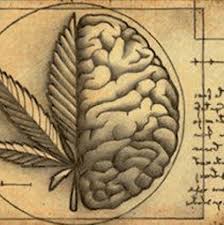

 Cannabinoids and cannabinoid-like substances that stimulate the Endocannabinoid System (or ECS) are actually found in many plants. Some of these plants have long been used in traditional medicine. Others you may recognize as popular superfoods.
The magic of cannabis, certainly from a medical perspective, is that a single plant produces so many healing compounds. These are called cannabinoids. While the focus so far has been on a couple of the major cannabinoids, namely Tetrahydrocannabinol (or THC) and Cannabidiol (or CBD), there are many others.
However, beyond cannabis, there are other plants and flowers that also appear to interact with the human endocannabinoid system. Some plants on this intriguing list do produce actual cannabinoid chemical compounds. Others produce compounds that mimic cannabinoids and terpenes.
Phytocannabinoids, Endocannabinoids & Cannabimimetics
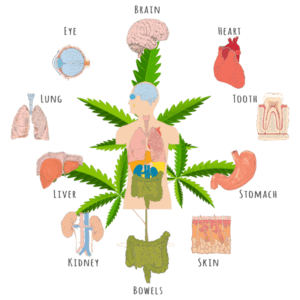 Cannabinoids are chemical compounds. They are produced in plants, and naturally by the human body. The latter group is known as endocannabinoids or “endogenous cannabinoids.” Phytocannabinoids are cannabinoids produced by plants. Believe it or not, many plants beyond cannabis produce phytocannabinoids.
Beyond that, however, there are also substances called cannabimimetic compounds that mimic cannabinoid properties when consumed. Specifically, they engage with the Endocannabinoid System (or ECS). What are these wonders of nature? You probably have already heard of them, even if you did not know all the details.
Interestingly enough, many plants containing phytocannabinoids or cannabimimetic compounds are referred to as “superfoods”. And, it’s not the only #1excludeGlossary plant that has them; but, don’t be surprised, even your body makes their own cannabinoids remember?
Though you might not want to smoke these plants, they do contain cannabinoids. While you may be accustomed to quickly linking cannabinoids to cannabis, the term “cannabinoid” refers to a larger group of compounds found in cannabis strains.
That is, any chemical that interacts with our endocannabinoid system is considered a cannabinoid. Of course, in the following plants, the cannabinoids differ from the cannabinoids found in Cannabis, but only slightly.

Humulus lupulus (hops)
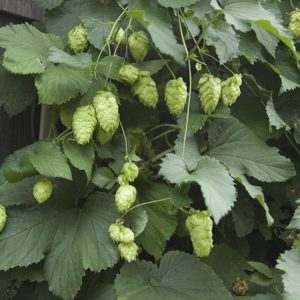 If you’re a fan of beer, there’s a strong chance you’ve drank your fair share of cannabinoids, since hops, a flower often used to make beer, may contain cannabinoids. Isodiol claims to have identified at least two (2) varieties of hop flowers with trace amounts of Cannabidiol (or CBD).
Humulus lupulusis actually a member of the Cannabaceae family of plants and is the closest relative to Cannabis that we know of. However, when Dr. Ethan Russo was asked about it, he said, “hops do not contain CBD naturally…if there were hops that produced CBD, it would only be after it had been genetically modified artificially.”
Echinacea
A 2006 study in the Journal of Receptors and Signal Transduction described how Echinacea contains its own form of cannabinoids. The researchers described how a collection of N-alkyl amides within some Echinacea flowers specifically interacts with our CB2 receptors.
Let us know what you think.