
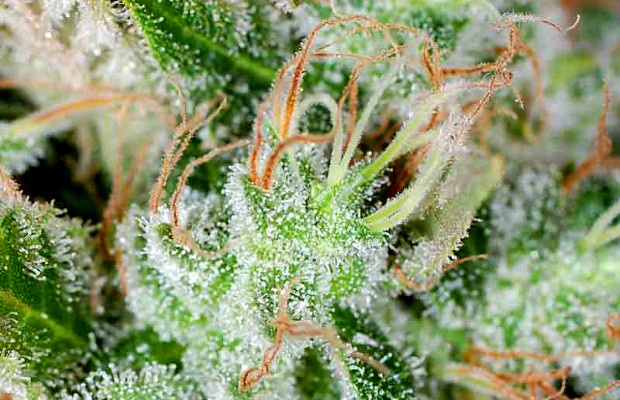

 Cannabis genetics is an essential facet of the industry that affects every part of the production process. Cannabis breeding is carefully controlled to produce a multitude of different cultivars, each specifically tailored to create a unique experience.
While most are familiar with the different species – Cannabis Sativa, Indica, and Ruderalis – there are many crosses between these, commonly known as hybrids. These contain different levels of phytochemicals than the parental branch and have varied effects on the body.
For many years, cannabis growers have mostly followed traditional plant breeding, applying basic Mendelian methods to select desirable traits from parent crosses. However, within the past few years, cultivators have integrated advances in molecular biology into their work, providing innovative methods to aid in cannabis breeding.
The Human Genome Project, completed and published in 2001, provided a genetic quantitative blueprint for understanding how the human body is built and maintained. With this genetic information, researchers in molecular biology identified a novel genetic tool that allows for selection and specified it by targeting breaks in DNA.

CRISPR Cannabis Genetics
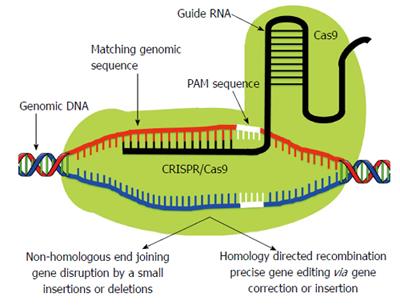 This tool called Clustered Regularly Interspaced Short Palindromic Repeat (CRISPR)/CRISPR-Associated Protein 9 (Cas9), has quickly become a popular method of genetic editing. In this system, a short guide RNA (a cousin to DNA) programs an enzyme (called endonuclease)to target a piece of DNA and make specific cuts.
CRISPR/Cas9 has recently even been used to edit living human cells, but what does this have to do with cannabis genetics?
The CRISPR-cas9 system, which exists as a part of the immune system of bacteria and archaea, another type of microorganism, will increase the ability of cultivators to create tailored cultivars with specifically selected genes.
Compared to traditional methods, using CRISPR-cas9 will take years off the breeding process, and specific gene editing will be more precise and less costly.
In addition to editing genes that affect the levels and types of phytochemicals and terpenes, this tool will allow breeders to create disease-resistant cannabis plants with higher yields – perhaps even reducing the need for pesticides, a significant concern for consumers. So, is this a win-win for the industry and patients, and consumers?
This past year, companies in the cannabis industry that had successfully mapped the cannabis genome for the first time. While the CRISPR-cas9 system has certainly unlocked incredible innovation that could reshape the way cannabis is bred, as with any newer technology, only time (and continued adherence to strict testing) will tell.
Let us know what you think.