


If you’re a new cannabis grower who’s serious about contributing to the medical marijuana industry and helping patients with a card have the access to high-quality strains and cannabis products, check out the following tips for the best techniques in cultivating the cannabis plant.
Indoor or Outdoor Cannabis Growing
 When talking about the best techniques for cultivating cannabis, one of the first questions to spring in mind include, ‘Which is better, indoor or outdoor cannabis growing?‘ The first question to address here is quality. Sources revealed that indoor flower is a #1excludeGlossary product because growers can control the room’s environment.
Indoor growing can also speed up the breeding process due to high-quality flowers with great flavor profiles. Also, they can introduce higher carbon dioxide (CO2) levels when growing indoors than in outdoors, leading to increased bud growth with higher cannabinoid levels.
Indoor, growers don’t also have to keep up with wind, rain, and snow that would otherwise damage the crop and ruin the harvest. Indoor buds also stay in a good condition than those grown outdoors do. Growing indoors, growers also benefit from harvesting the crops in their peak conditions while also having the chance to cure them in a well-controlled climate.
Oppositely, outdoor cannabis flowers have to keep up with environmental changes. In this case, their effects, aroma, and taste are affected although still there. On the other hand, some consumers find outdoor-grown cannabis preferable the indoor-grown cannabis.
But recently, a combination of the techniques has been used in commercial greenhouse farming, striking a balance between the two techniques and producing #6excludeGlossary results. Nevertheless, different cannabis farming styles have their pros and cons, so if you’re interested in growing cannabis, you should educate yourself, keep an open mind and be ready to try new farming techniques.

Organic Feeding Cannabis
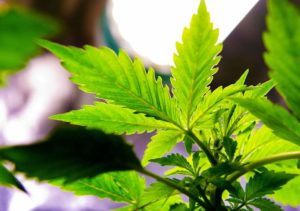 Organic is best because of the increased nutrient bioavailability. The organic nutrients for cannabis resemble the forms of nutrients that the plants will be exposed to when planted outdoors. The herb can also absorb these organic nutrients easily, resulting in the higher bioavailability that pertains to the number of nutrients that the plants can absorb.
Oppositely, electrical conductivity should be pumped to higher levels to compensate for the inadequate nutrient bioavailability when salts are used. For example, bioavailability is 50% with organic feeding and only 25% with nutrient salt feeding.
By growing cannabis in natural surroundings, the animal matter and raw elements, breaking down and providing nutrients to the plants will then be transformed by the beneficial microbes and fungi in the soil.
As a result, the soil will contain no helpful fungi and microbes, which are useful in the cannabis growth cycle. So organic feeding is better because this type of cultivation is conducive for beneficial fungi and microbes that work by metabolizing all the raw elements and converting them into a more readily absorbable form for the cannabis plant.
Recently, growers are supplementing non-organic growth with microbes. But then, salt nutrient pH is unfriendly and kills these beneficial microorganisms immediately. Bottom line, organic is better and it is also important to understand your needs and address them well.
Cannabis Clones or Seeds
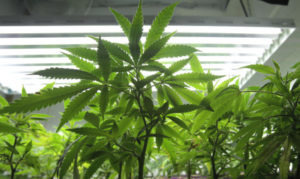 If you’re a new cannabis connoisseur, you should choose between clones or cannabis seeds and make the decision. Growing from clones might not be the best way to go, for example, know that each of them is the exact copy of its mother plant. If the mother is unhealthy, the clone is, too.
But it does not stop there because a clone’s condition can also pose other challenges. For one, a clone is extremely sensitive by the time it is cut and during replanting. There is also the risk of a transplant shock. In addition, the clone needs specific nutrients and light amounts at this phase.
Summing up, you might be faced with plenty of obstacles to keep the clones healthy. What’s worse, failure in the transplant is common. The only major benefit that new growers can take advantage of in using the cloning method is that cannabis is farther in the development stage than starting from seed.
With that, they also have the opportunity of hoping for a yield sooner than growing from seeds. But if you want a more guaranteed and less hassle method, you might want to start your new cannabis plants from seeds that pose fewer difficulties than clones do.
Final Thoughts
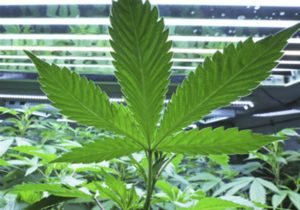 There you have the best techniques of growing cannabis that you have to know if you’re a new cannabis grower looking to cultivate high-quality cannabis strains and help patients with a medical marijuana card take advantage of the healing properties of the wonder plant.
[Editorial Note: Olivia Davis is an enthusiastic, creative author and the Communications Assistant at Dr.Green Relief – Medical Marijuana Doctors. Our mission is to aid patients with qualifying conditions to get their MMJ Card so they can use, possess and cultivate medical marijuana.]
Let us know what you think.