
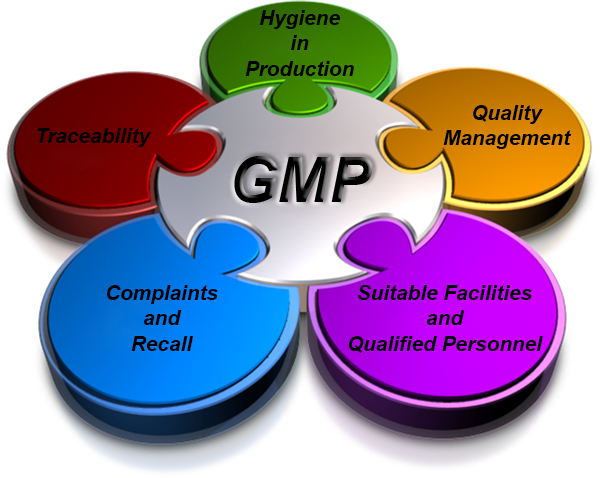

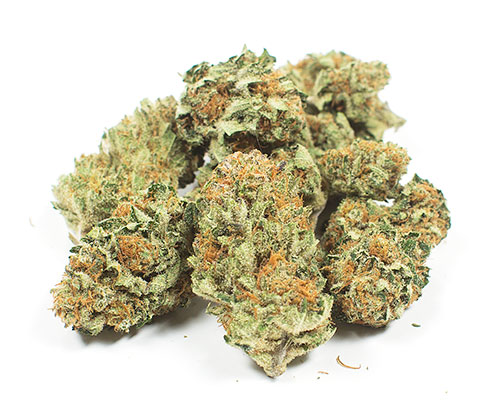
 The world today has generated a huge spike in demand for Cannabidiol (CBD) produced from hemp with less than 0.3% Tetrahydrocannabinol (THC), but it needs to be safe for consumers and it must always be produced according to Good Manufacturing Process (GMP) in the cannabis industry.
Due to the highly reviewed benefits of CBD, it has become one of the leading trends in natural product manufacturing in the past few years.
CBD has a beneficial influence on health issues, such as anxiety, pain, or stress. We will be discussing how CBD undergoes the GMP in the cannabis industry, and how CBD is extracted from the hemp plant.
Organic Cannabidiol Farming GMP
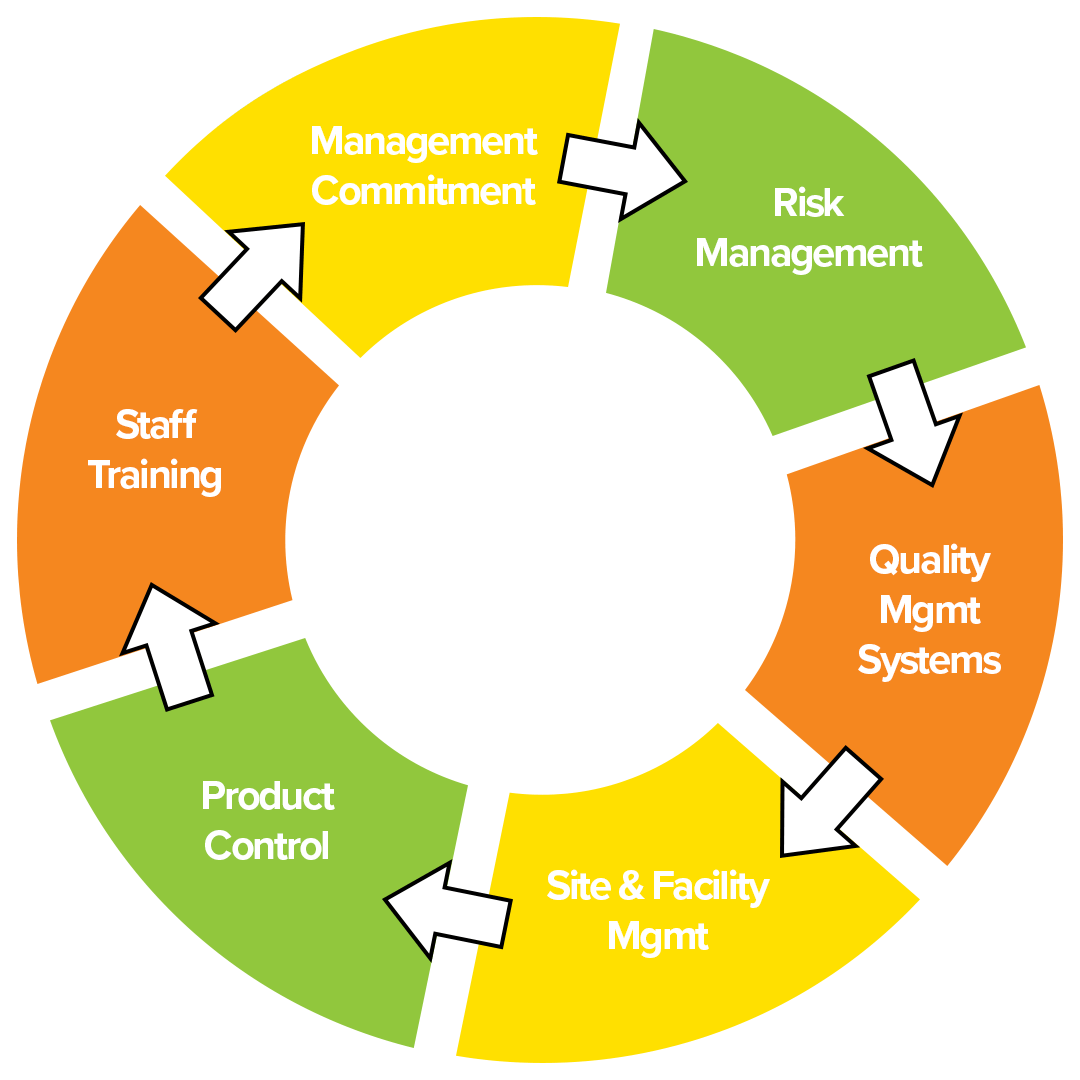 This is the first stage of Good Manufacturing Practices (GMP) in the cannabis industry, it is because the Cannabidiol (CBD) commodity usually starts in raw strains of hemp or CBD. For hemp to grow effectively the soil must be very rich in nutrients. At this stage, there is a rigid policy for the farming process and the use of the organic methodology.
The main objective of this stage is to produce natural strains of hemp to supply harmless, consistent, strong, and regulated products. There are certain rules set in the harvest of the hemp plant at the organic farming stage of the process which are as follows:
- Hemp plants must be pesticide-free
- The best quality of cannabis should only be used in the production
- Good packaging must always be considered
- Authentic seeds are only approved under #1excludeGlossary (THC) hemp and are used for the growing and separating of CBD
- Farmers must have a warranty from the government before cultivating hemp
- The job can only be given to contract farmers, they must adhere to the rules and regulations set out by the cannabis industry regulators specifically for hemp
- The hemp plants must be registered and be verified
CBD Processing & Extraction GMP
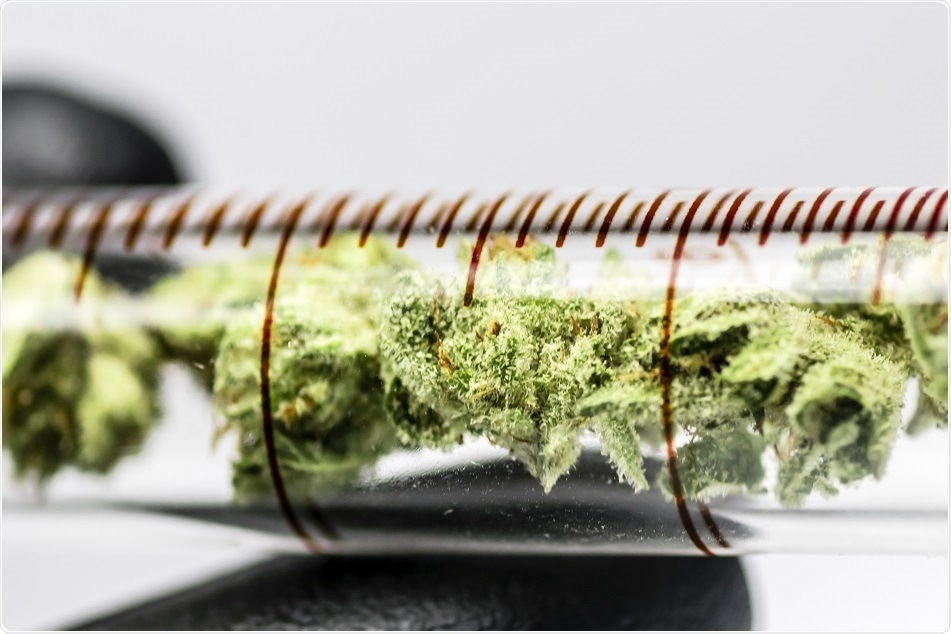 During processing, the cannabis flowers are turned into a powder through grinding and they will be moved to a processing facility. The powder will then undergo processing and extraction to extract the Cannabidiol (CBD) from the hemp material. To extract the hemp from the powder, the following process’ are typically used:
- The manufacturing of flavorful extract utilizing carbon dioxide extraction
- Carbon dioxide (CO2) heat and pressure in a controlled degree
- If olive oil is used, it should be stored in a cool and dim environment
- If used, high-quality ethanol as an additional extraction material
CO2 extraction is commonly used for high-quality Cannabidiol (CBD). This is an effective, and accurate method of extraction to produce cannabis-based products that can be consumed or used to apply on the skin.

Refining Good Manufacturing Process (GMP)
A cannabis plant has uncertain and variable qualities by nature. The smell, power, and taste of Cannabidiol (CBD) are completely different. These disagreeing characters flow into the end product developing unwanted differences. For it to have a proper result or outcome, the element must be separated, restricted, and enclosed inside an item.
This is achieved through refining. In the refining process, CBD can be separated to be used in products such as pills, vapes and oil, and topical solutions. Creating different flavors is made possible by adding terpenes.
Cannabinoid Isolation
 The all-important step in the process is to remove even the smallest or tiniest part of Tetrahydrocannabinol (THC) from the hemp plant. THC is an element from the hemp plant that firstly is illegal when there are amounts above 0.3% of this cannabinoid, and it is a psychoactive ingredient that is commonly related to cannabis.
Separation of the Cannabidiol (CBD) from the THC can be achieved by using carbon dioxide (CO2) extraction. This results in an isolate which is white powder cannabidiol.
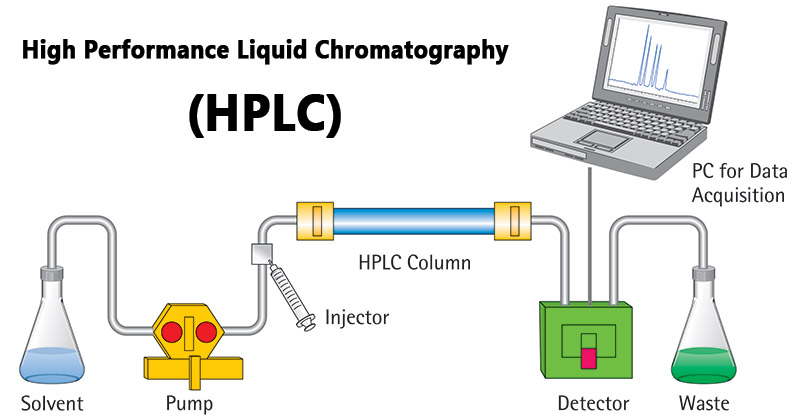
All products must be tested for quality and strength. A common way of testing CBD is to use a High-Performance Liquid Chromatography (HPLC) machine, which will identify the percentage of CBD, and any other potential ingredients within the Isolate. The HPLC machine will also identify the following:
- Terpenes and cannabinoids
- Aflatoxins, pesticides, and mycotoxins
- Analysis of heavy metals (ex. arsenic, mercury, lead, etc.)
After the CBD has been tested, a Certificate of Analysis (CoA) can be produced which is a vital regulatory requirement for each batch of CBD produced in the United States. Without a CoA attached to the batch of CBD, this is deemed illegal as it has not been proven to contain less than 0.03% of THC which is a legal requirement for CBD products.
Let us know what you think.