


 Why should training dispensary managers flip to a micro-learning strategy in the flipped classroom approach? Let’s gain an insight into the ways microlearning is reshaping flipped classroom cannabis training programs. A flipped classroom is a training methodology that combines the power of classroom learning with online training.
Though it’s a type of blended learning, there is a subtle difference. In a blended cannabis learning program, learning alternates between classroom and online training. In a flipped classroom, learners go through online resources such as eLearning and microlearning modules and use classroom time to apply what they have learned or to engage in #1excludeGlossary and discussions.
Microlearning can be used in the flipped classroom to introduce basic concepts. A microlearning strategy fits in perfectly with the learning framework for modern learners in your organization. How?
1. Offers A Fresh Approach To Classroom Training
 In any cannabis training program, it is common to include in-class activities to stimulate learners. Let’s consider a classroom training program where learners are required to view a set of scenarios. Learners are then required to engage in problem-solving to choose the appropriate response to the scenarios presented to them.
Using microlearning in a flipped classroom works well, as learners can watch the scenarios on their mobile gadgets even before the cannabis classroom training begins and use the classroom session for a deeper understanding of the content. The instructor plays the role of a facilitator to engage learners in discussions, clarify doubts, and conduct practical exercises.
The microlearning module can also take care of instructing learners on what is expected of them in the classroom. If required, microlearning modules can be quickly reviewed in the classroom before proceeding with the activity. Microlearning sure is a time-saver when it comes to delivering activities in the classroom.
2. Introduces A Self-Directed Learning Approach
 In a traditional classroom training environment, the instructor teaches the concepts in class and perhaps assigns homework that helps learners apply the concepts that were taught. But, in a flipped cannabis classroom the reverse happens. Learners are prepared with the basic concepts before they attend classroom training.
Here’s how microlearning can be leveraged to introduce a self-directed learning approach in flipped classroom training:
- It shifts the focus of the training program from content delivery to providing engaging experiences for learners. Basic concepts to be taught in a training program – definitions and facts can be completed through microlearning and the #7excludeGlossary aspects can be taught in the classroom.
- Microlearning modules can be delivered in a variety of engaging formats such as animations, videos, flip books, blogs, infographics, and so on to encourage self-directed learning.
- With microlearning, the onus of learning lies on the learners, as they are required to go through the microlearning modules before beginning the classroom training program.
Microlearning provides learners with an opportunity to learn autonomously, independent of an instructor. For example, learners can participate in a quiz or survey rolled out as a microlearning module and then move on to a discussion that offers a collaborative learning experience.

3. Reduces Cognitive Load On Learners
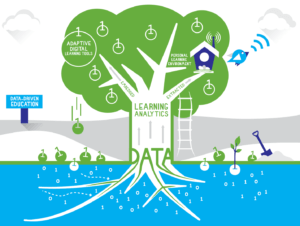 Cognitive load is a factor that affects the learning process negatively. With flipped learning, learners are exposed to the fundamentals of a training topic before the classroom. This reduces the cognitive load on learners. Microlearning breaks content into smaller nuggets and that makes it easier for learners to grasp information.
Consider the example of an onboarding program where new hires need to be taught how to log in travel expenses on a finance portal. Microlearning modules in the form of simulations can be used to help new hires log into the portal and then carry out a series of steps to fill in the expense report.
Learners can go through ‘watch-try-do’ microlearning simulations and leverage instructor time in the classroom to get their queries answered.
4. Improves Learning Outcomes
 Microlearning can be used to quickly gauge learners’ understanding. For example, learners can quickly take a micro-quiz that helps them recall what they have just learned and then compare the results in the classroom. Microlearning can also be used to assess the learners’ current knowledge levels on a topic and use that to set the pace of the classroom session in flipped classroom training.
Microlearning videos are quite effective in a flipped training approach. For example, in a leadership training program, the basic concepts can be covered through various microlearning formats. The classroom is used to facilitate role-based training and apply leadership skills.
Another example where microlearning can be leveraged in a flipped classroom approach is in the case of an onboarding program. A welcome message for new hires can be delivered in the form of a microlearning video, the organization chart can take the form of an infographic, and company policies can be presented through a flip book.
All this can be done even before new hires get to interact with each other in a formal new-hire orientation program. Learning outcomes are improved as learners gain a deeper understanding of the subject in flipped classroom training and use microlearning to familiarize themselves with the basic topics.
5. Creates A Dynamic Learning Environment
 Microlearning helps create a dynamic learning environment in the following ways:
- It builds learners’ interest in acquiring knowledge.
- It challenges learners by testing existing skills and knowledge.
Dynamic learning extends beyond the boundaries of a classroom. In a flipped classroom training program, microlearning can be used to make learning engaging and provide activities to learners. Simple quizzes, games, and surveys are a few examples of using microlearning to create a dynamic learning environment.
A lot of thought and careful planning needs to go into a flipped learning approach. Using microlearning as a means to coach learners in a flipped classroom training program can not only increase engagement but also decrease the time taken by learners to apply the learning on the job.
Let us know what you think.