

[row]
[col span__sm=”12″] Senate Bill 386, signed into law on April 19, 2017, by Governor Jim Justice, created the Medical Cannabis Act that allows for cannabis to be used for certified medical use by a West Virginia resident with a medical condition.
(Review Our Approved WV 2-Hour Industry Training)
The West Virginia Department of Health and Human Resources, Bureau for Public Health, and Office of Medical Cannabis are committed to a goal for patients with a qualifying medical condition to be able to procure quality-tested medical cannabis in the state of West Virginia.
Smokable medical cannabis flowers, edibles, and home cultivation are illegal in West Virginia. The program allows for pills, oils, gels, creams, ointments, tinctures, liquid, and non-whole plant forms for administration through vaporization. Patients and caregivers can only access medical cannabis products through a licensed dispensary and with a medical physician’s certification.
Physicians must complete a training course to participate in the state’s program. Registered physicians can recommend cannabis to patients with a qualifying medical condition that is “likely to receive therapeutic or palliative benefit from the use of medical cannabis.”
(Review Our Approved West Virginia 2-Hour Industry Training)
West Virginia Medical Cannabis Card
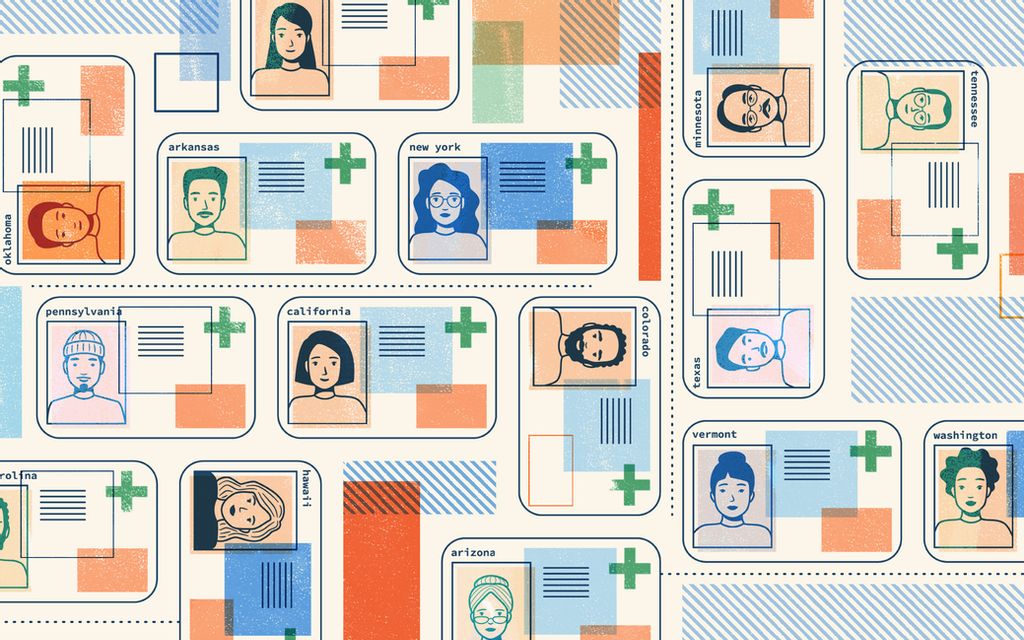 To qualify for a West Virginia (WV) medical cannabis card so you can legally purchase medical cannabis from one of the retail dispensaries, you must fulfill the following qualifications to be able to use it as medicine:
- Be diagnosed with a qualifying medical condition.
- Have the official written certification from a West Virginia licensed physician.
- Be a WV resident with proof of residency (WV Driver’s License or WV State ID card).
The statute defines a “serious medical condition” as any one of the following health issues:
[/col]
[/row]
[row]
[col span=”6″ span__sm=”12″]
- Cancer
- Human Immunodeficiency Virus (HIV) or Acquired Immunodeficiency Syndrome (AIDS)
- Amyotrophic Lateral Sclerosis (ALS)
- Parkinson’s Disease
- Multiple Sclerosis
- Spasticity
- Epilepsy
- Neuropathies (weakness, numbness, pain from nerve damage)
- Huntington’s Disease
- Intractable Seizures
[/col]
[col span=”6″ span__sm=”12″]
- Sickle Cell Anemia
- Crohn’s Disease
- Post-Traumatic Stress Disorder (PTSD) (medical doctor, licensed counselor, or psychologist diagnosis)
- Terminally Ill (medical prognosis of life expectancy of approximately one (1) year or less)
- Damage to Spinal Cord Nervous Tissue (with a neurological indication of intractable)
- Severe, Chronic, or Intractable Pain of Neuropathic Origin or Severe, Chronic, or Intractable Pain (where conventional therapy and opiate therapy have proved ineffective)
[/col]
[/row]
[row]
[col span__sm=”12″]
The act provides funding for research institutions to study the impact of medical cannabis on the treatment and symptom management of serious medical conditions. An advisory committee will review these research findings and make recommendations to the legislature for changes to the Act.
In addition to funding for implementation and research, the act further provides revenue to the “Fight Substance Abuse Fund” for grants to local law enforcement agencies for training, drug diversion, and other programs focused on crime and addiction; and a fund to be used for law enforcement professional training and professional development programs to better understand medical cannabis.
(Review Our Approved West Virginia 2-Hour Industry Training)
Required 2-Hour Industry Training Course Topics
 The Office of Medical Cannabis is accepting submissions from potential training providers for a West Virginia two (2) hour industry training course that will be required by workers. The subject matter of the West Virginia industry training course shall include all of the following, but not be limited to these cannabis training topic requirements:
1. The provisions of the West Virginia Medical Cannabis Act and the administrative rules are relevant to the responsibilities of principals and employees.
2. Methods to recognize and report unauthorized activity, including diversion of medical cannabis for unlawful purposes and falsification of identification cards.
3. Proper Handling of Medical Cannabis
4. Proper Recordkeeping
5. How to Prevent and Detect the Diversion of Medical Cannabis
6. Best Practice Security Procedures
7. Best practice safety procedures, including responding to the following:
- Medical Emergency
- Fire Emergency
- Chemical Spill
- Threatening Events (including armed robbery burglary and criminal incidents)
Here at Green CulturED, we developed our West Virginia 2-Hour Medical Cannabis Industry Training Required Course which will be composed of four (4) “micro-learning” cannabis industry modules:
- West Virginia Medical Cannabis Act
- Preventing & Detecting Diversion
- Valid & Fake Identification
- Safety & Security Best Practices
The West Virginia two (2) hour medical cannabis industry training course is required to be approved by the West Virginia Department of Health and Human Resources, Bureau for Public Health, and Office of Medical Cannabis to make sure it satisfies the educational requirements to work in the industry.
(Review Our Approved West Virginia 2-Hour Industry Training)
[/col]
[/row]
[row]
[col span__sm=”12″]

Medical Cannabis Industry Training Course Content
 West Virginia Medical Cannabis Act

A medical cannabis program for patients suffering from serious medical conditions was established in West Virginia, the program is administered by the Department of Health and Human Resources, Bureau for Public Health, and Office of Medical Cannabis to medical cannabis available.
Senate Bill 386 was signed into law on April 19, 2017, by Governor Jim Justice, created the Medical Cannabis Act that allows cannabis to be used for certified medical use by a West Virginia resident with a serious medical condition who is a patient and approved by a licensed medical professional in the state.
Learning Objectives
[/col]
[/row]
[row]
[col span=”6″ span__sm=”12″]
- Establishment of Medical Cannabis Program
- Lawful Use of Medical Cannabis
- Unlawful Use of Medical Cannabis
- Patient Identification Cards
- Caregiver Requirements
- Authorized Medical Cannabis Organizations
- Suspension or Revocation and Convictions Prohibitions
- Medical Cannabis Controls
- Access and Reporting
- Grower or Processor Limitations
- Medical Cannabis Storage and Transportation
[/col]
[col span=”6″ span__sm=”12″]
- Medical Cannabis Prices and County Prohibition
- Medical Cannabis Dispensaries
- Safety Insert and Labeling of Package
- Facility Requirements
- Criminal Diversion of Medical Cannabis
- Falsification of Identification Cards
- Adultery and Privacy Disclosure
- Additional Penalties and Sanctions
- Protections for Patients and Caregivers
- Medical Cannabis Employment
- Medicinal Cannabis Zoning
- Medical Cannabis Laboratory
[/col]
[/row]
[row]
[col span__sm=”12″]
Preventing & Detecting Diversion
 Preventing and detecting diversion within the cannabis industry is a serious issue. The ability of a business to cultivate, produce, or sell cannabis products can only be done with strict adherence to government regulations. Without complying with cannabis diversion regulations, there’s no chance of legally running a cannabis business without the fear of forcible shutdown looming in the distance.
The cannabis industry faces serious legal, financial, operational, and reputational risks and regulatory fines resulting from worker diversion and inadequate controls. Every cannabis business, in partnership with its operations, compliance, and internal audit functions, must ensure a comprehensive interdisciplinary cannabis diversion management program is functioning. To effectively address diversion issues, a program must include rigorous controls and monitoring.
Learning Objectives
[/col]
[/row]
[row]
[col span=”6″ span__sm=”12″]
- Diversion Prevention and Detection
- Prevention and Detection Plan
- “Seed-to-Sale” Diversion Tracking Software
- Diversion Controlled Cannabis Lifecycle
- Cannabis Procurement Diversion
- Transportation Diversion Prevention Policy
- Storage and Security Considerations
[/col]
[col span=”6″ span__sm=”12″]
- Cannabis Waste and Disposal Diversion
- Culture and Training Diversion Prevention
- Diversion Inventory Protocols
- Reporting Suspected Diversion
- Law Enforcement Investigations and Cooperation
- Comprehensive Diversion Audits
- Diversion Prevention and Detection Best Practices
[/col]
[/row]
[row]
[col span__sm=”12″]
Valid & Fake Identification

The goal of checking for valid Identifications (or IDs) is to confirm age to prevent underage access and to stop the legal, financial, and social consequences resulting from underage cannabis consumption. This is a huge task given the increasing numbers of fake IDs on the market and the ease with which they can be obtained. Quality fake IDs are similar to real IDs and it’s hard for those who are checking IDs to tell the difference if they lack proper training.
The problem is that many – in fact, most – people don’t know what security features to look for and feel on IDs. When people are trained to check IDs properly and thoroughly, they can tell the difference between real and forged overt and covert security features. By spotting fake IDs they can deny access to medical cannabis to West Virginia residents who are underage and prevent the potentially tragic resulting consequences of underage consumption in the state of West Virginia.
Fake IDs come in many forms, including borrowed and stolen real IDs, created fake IDs, and altered or forged real IDs. If the ID is real but does not belong to the person presenting it, if the machine-readable data on that ID is incorrect, or if it has been altered, then it’s fair to assume it’s a fake ID.
Learning Objectives
[/col]
[/row]
[row]
[col span=”6″ span__sm=”12″]
- Checking Identification Solutions
- Identification Training and Reference Materials
- Identification Scanners
- Identification Standard Operating Procedure
[/col]
[col span=”6″ span__sm=”12″]
- Fake Identification
- Fraudulently Using Identification
- “U-CARD” Fake Identification Aid
- Additional Verification Tips
- Confiscating Fraudulent Identification
[/col]
[/row]
[row]
[col span__sm=”12″]
Safety & Security Best Practices
 As the cannabis industry continues to grow, it is demanding the need for a workforce to be trained in occupational safety and security best practices. This training will improve workers’ knowledge about safety and security in the cannabis industry, and how to ensure safe conditions for workers. We’ll go through some very broad regulations that most cannabis businesses must follow, as well as more detailed standards for the cannabis industry specifically.
Receiving safety and security training has benefits beyond meeting requirements established in the cannabis industry and keeping employees safe. It leads to healthier employees with more ease of mind which increases productivity, boosts morale, reduces turnover, the resources spent on training, and reduces productive workers’ time away from the job due to injury and illness. This is all in addition to helping protect you from compliance issues in the cannabis industry, as it can levy heavy fines for not following the standards presented in training.
Learning Objectives
[/col]
[/row]
[row]
[col span=”6″ span__sm=”12″]
- Proper Cannabis Handling
- Proper Recordkeeping
- Security Best Practices
- Worker Safety
[/col]
[col span=”6″ span__sm=”12″]
- Threatening Event
- Medical Emergency
- Fire Safety
- Chemical Spill Safety
[/col]
[/row]
[row]
[col span__sm=”12″]
West Virginia Medical Cannabis Legal Landscape
Medical Cannabis Regulatory Authority
The Bureau of Health will implement the program, including developing rules, inspecting medical cannabis businesses, processing applications, and issuing patient identification (ID) cards and business licenses. The law also created an advisory board established to make recommendations to the bureau. The board will include law enforcement members, physicians, a horticultural expert, and one patient advocate as well as the board recommended allowing access to dry leaf or cannabis’ plant flowers.
Medical Cannabis Limitations
The only types of medical cannabis allowed initially were pills, oils, gels, creams, ointments, tinctures, liquid, and non-whole plant forms (ex. “dry leaf or plant form”) for administration through vaporization. Dispensaries cannot sell edibles, but medical cannabis products could be mixed into food or drinks by patients themselves. Vaporization (or oils) is allowed, but smoking is prohibited. Patients may only obtain a 30-day supply of medical cannabis at any given time.
Medical Cannabis Access
Home cultivation is not allowed. Patients will be allowed to obtain cannabis from regulated dispensaries once they are up and running. In addition, the bureau may enter into agreements with other states to allow terminally ill cancer patients to buy medical cannabis in another state.
Per Se DUID Law
Patients will be forbidden from driving and from undertaking some other activities if they have more than three (3) nanograms of Tetrahydrocannabinol (or THC) per milliliter of blood serum. This standard could make it illegal for some patients to ever drive since many patients have THC levels at this amount or greater many hours or days after last administering medical cannabis.
Medical Cannabis Businesses
The bureau will issue up to ten (10) grower permits, up to ten (10) processor permits, and no more than one hundred (100) dispensary permits. It will also regulate testing laboratories. Medical cannabis organizations will be required to use seed-to-sale tracking of cannabis and to meet rules regarding delivery, transportation, recordkeeping, security, and surveillance in the state of West Virginia.
Local Medicinal Cannabis Bans
Counties may ban medical cannabis businesses entirely or may limit their locations within the county.
Legal Medical Cannabis Protections
A registered patient or caregiver is protected from arrest, prosecution, and the denial of other privileges. Employers may not discriminate against a person for their status as a registered patient, though they do not have to accommodate employees’ on-site use. The bureau will promulgate rules regarding medical cannabis at schools, daycares, and other public spaces where use is limited.
Research Medical Cannabis Licensees
The bureau is directed to set up a medical cannabis research program with a vertically integrated health system – which provides the complete spectrum of care – and perhaps academic medical centers. The cannabis provided in this program would be funded from the taxes and fees levied on patients in the rest of the program. Federal law may prevent this portion of the law from materializing.
New Medical Cannabis Crimes
Several new crimes are created to penalize medical cannabis diversion and other violations of the law and rules issued under it. For example, physicians intentionally and knowingly certify a person for medical cannabis if the person does not qualify to face a felony. Patients and caregivers who knowingly possess more medical cannabis than are allowed face up to six (6) months in jail.
Medical Cannabis Taxes & Fees
Applicants will pay $2,500 per dispensary application and $5,000 per grower or processor application. Registration fees are $10,000 for each dispensary location and $50,000 for growers and processors. A 10% tax is levied on sales from dispensaries to patients or caregivers. Patients are initially charged $50 for an identification card, which can be waived for financial hardship.
(Review Our Approved West Virginia 2-Hour Industry Training)
Let us know what you think.
[/col]
[/row]